


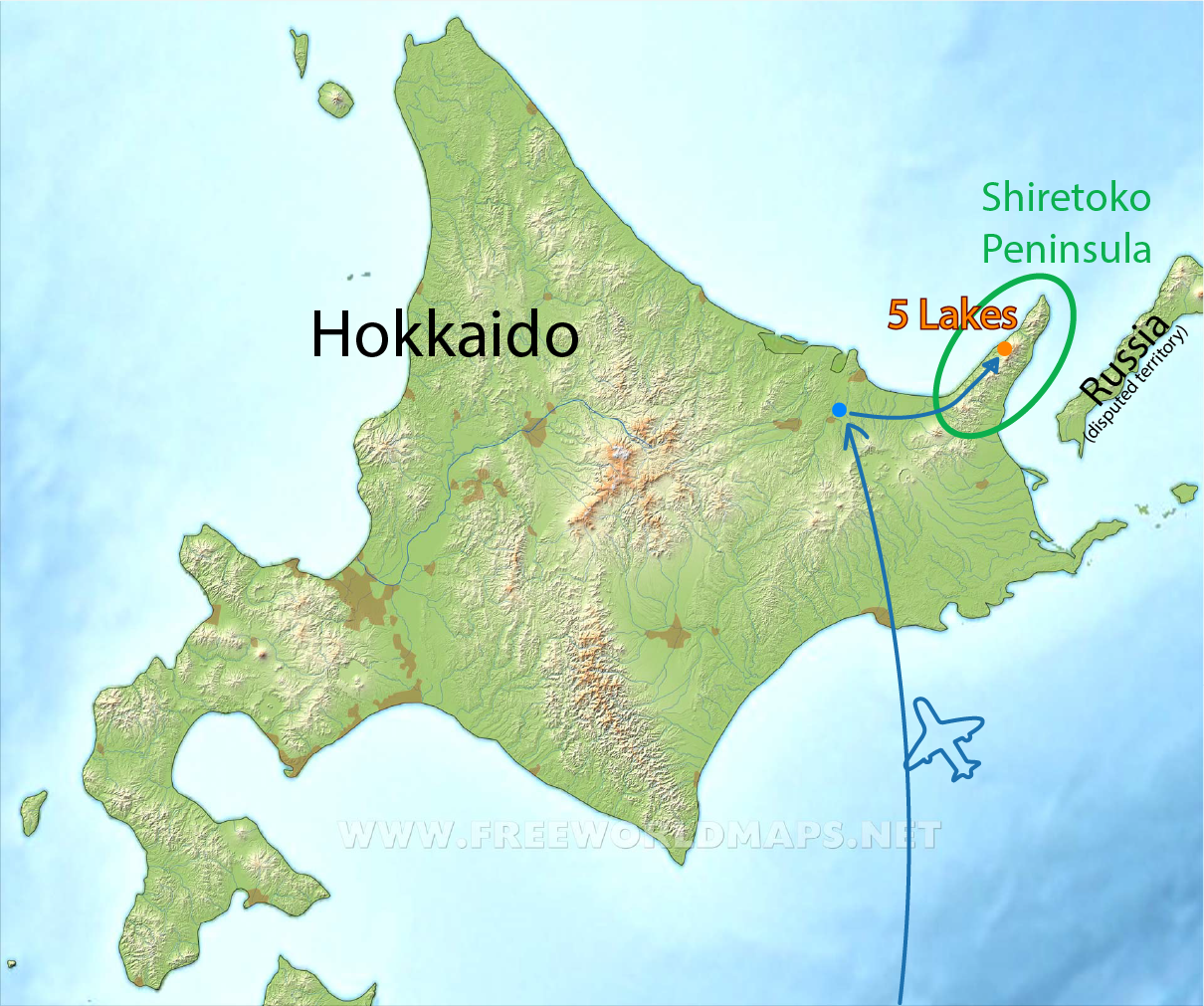
During our first proper day in Japan we went to the Shiretoko Goko Kokuritsukouen (Shiretoko 5-Lakes National Park) with a guided group. The weather truely could not have been besser and the people of the group were kind. Our group’s leader was Makoto Yamasaki of Picchio, he was very knowledgeable and could answer even odd questions. 😀 Also he spoke English well, so that even when we missed details in the Japanese explanations, we could rely on him getting every point across to us. Another practical feature of Picchio is that they pick you up and drop you off again at you hotel or the roadside station in Utoro and bring you to the park with a small bus. Since we are travelling without a car, this was invaluable, as otherwise we would have been dependend on the bus. For everyone planning a trip to Shirietoko we can only recommend this, because it otherwise you’re depending on the bus (which is especially impractical on the way back since it will of course not drop you off at your hotel and won’t be going at exactly the time that you need it to).
Many Japanese people seem to be surprised that our first stay in Japan is in Utoro – we don’t really understand why, since it is absolutely gorgeous and definitely worth a visit! In winter the offer a different kind of tour through the national park: With snowshoes and over the the frozen lakes instead of around it. Additionally you can go whale watching on the other side of the peninsula, in Rausa: There’s orcas and sperm whale that apparently don’t even try to knock over your boat but if you’re lucky will playfully swim around and under it.
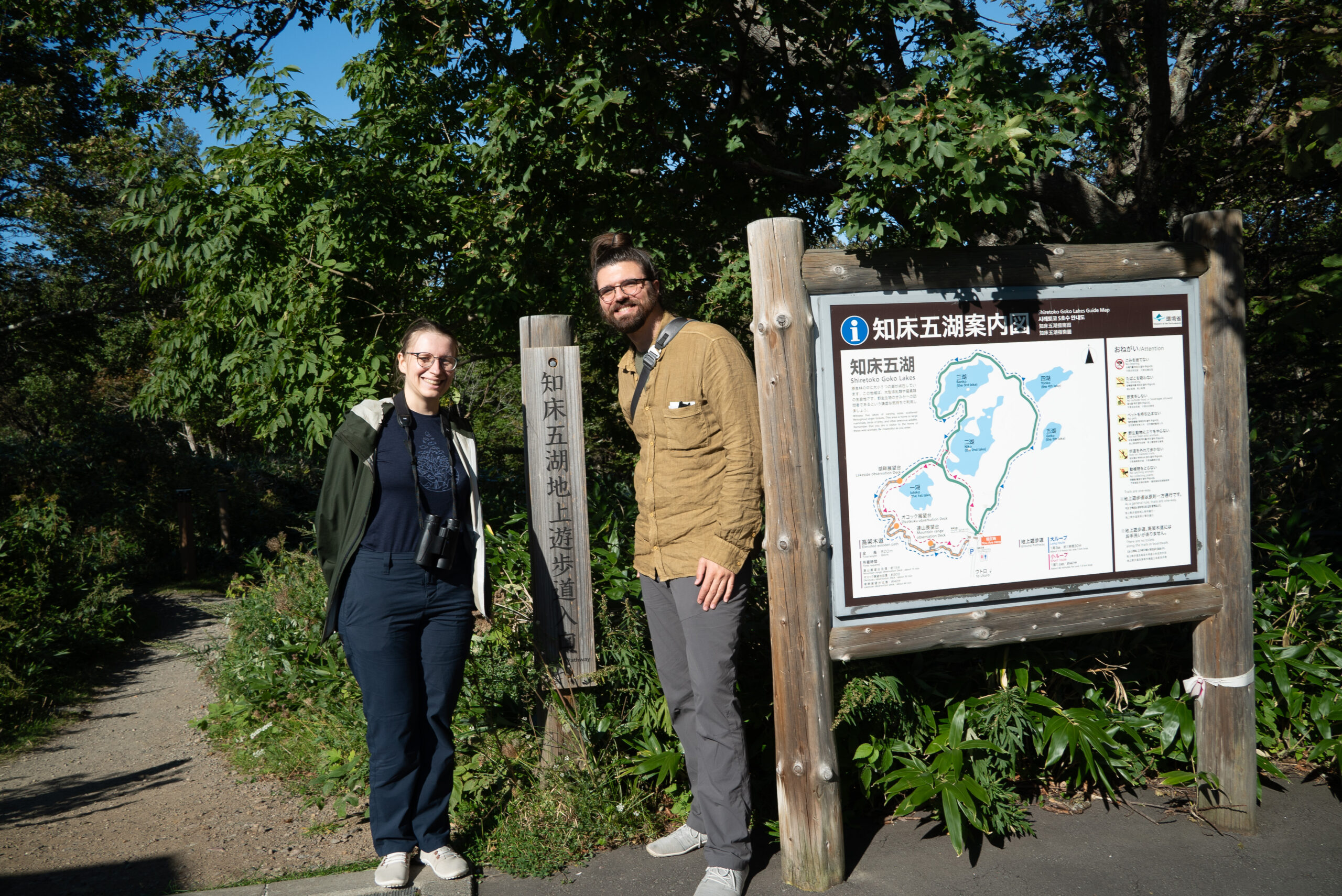
But enough of the advertising, let’s get to what we saw on the tour we actually did and of course – the countdown of the five lakes (the walking path starts at lake 5 and works its way down to lake 1). Watch our hands, to see the which lake, we’re at ; )
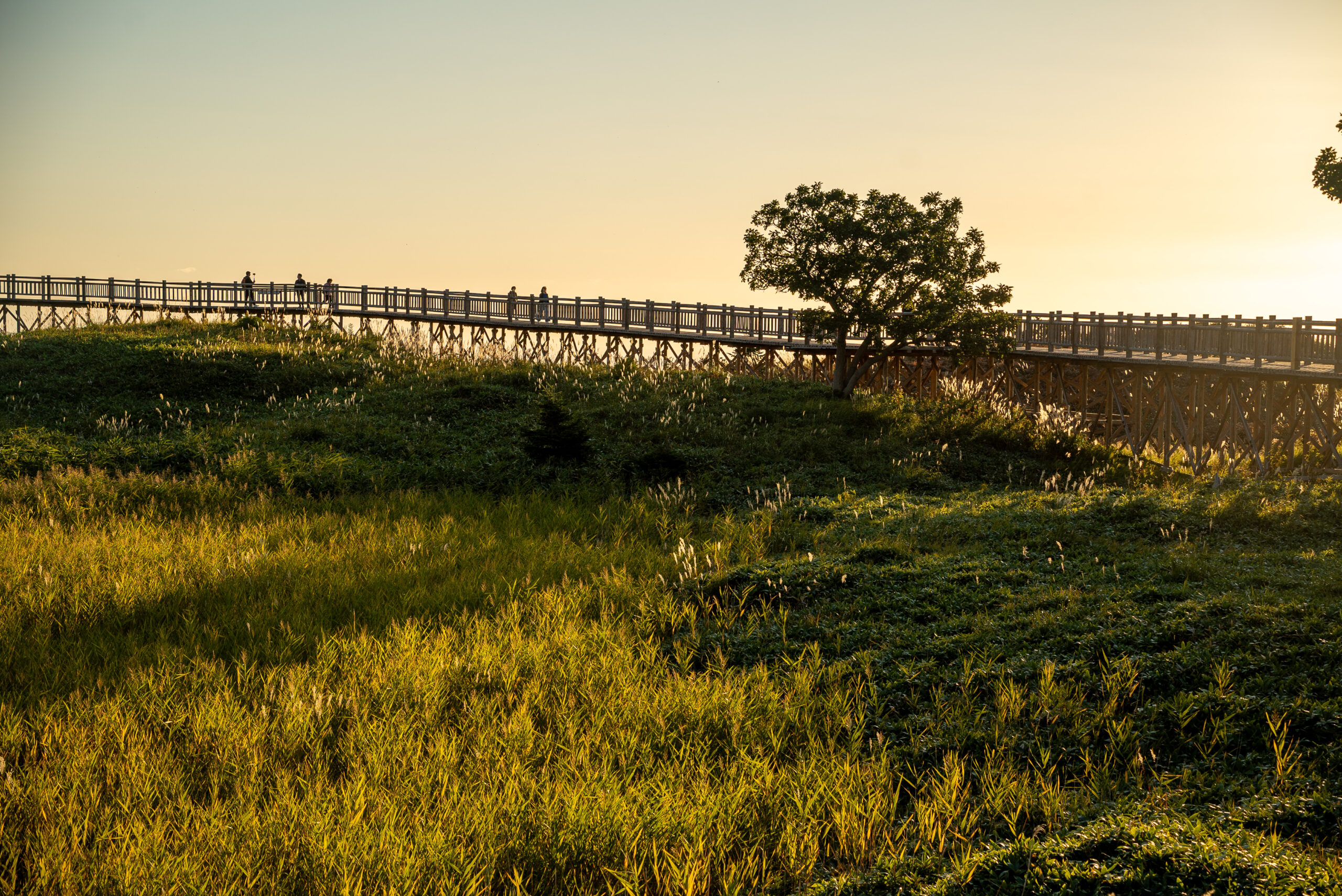
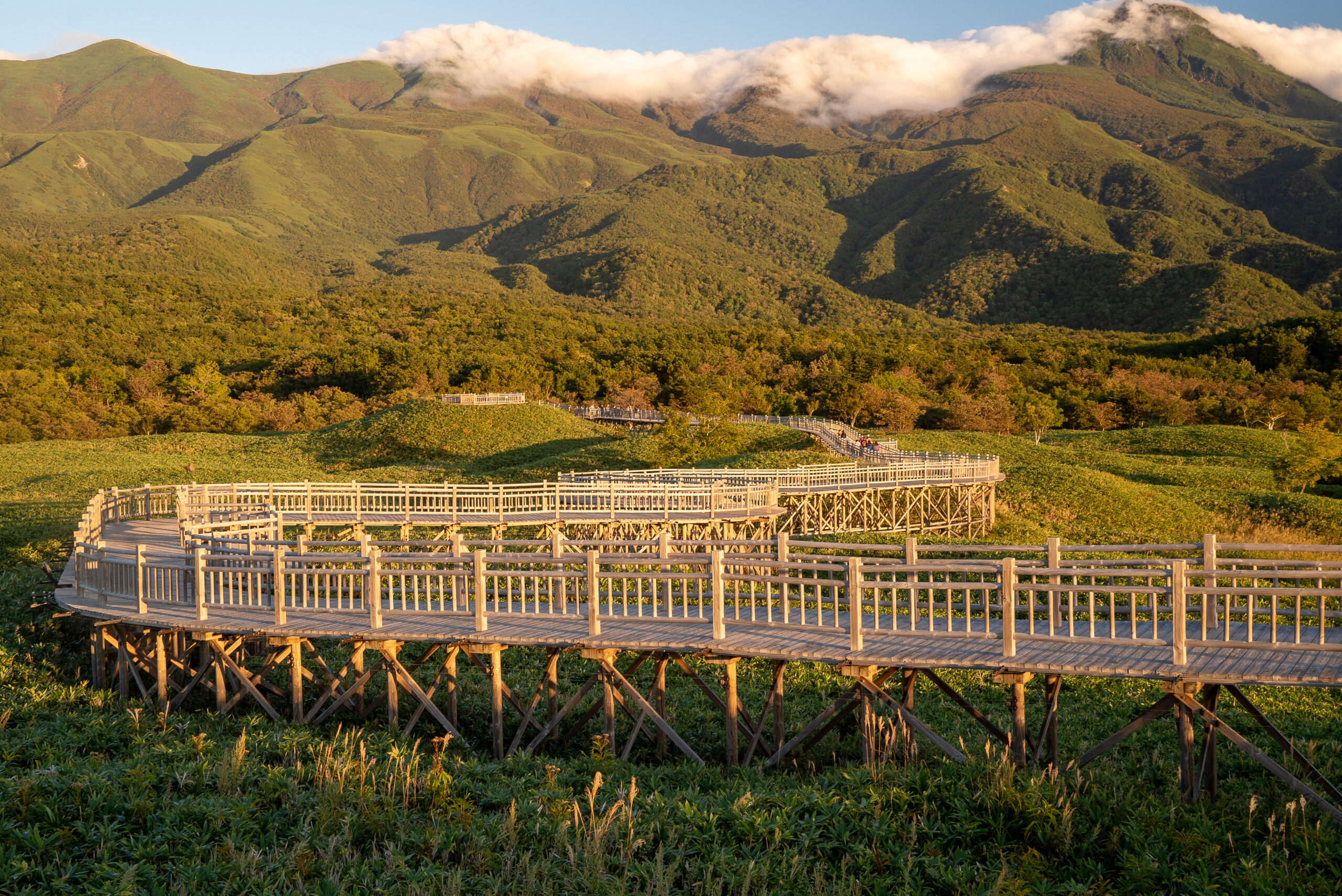
There live over 500 brown bears on the Shiretoko peninsula, so naturally they also live in the national park. There are 3 main way leading through the 5-lakes area: an elevated boardwalk, that goes right between the first lake and the sea for 800 meters – you can always enter this path during the open season (April 20th to November 8th) since it is quite high above the ground and additionally secured by an electric fence; and two loops, one short on long – on the short loop you’ll see lake 1 and 2 and the long loop contains all the lakes. Both also include the boardwalk on their way back to the info point.
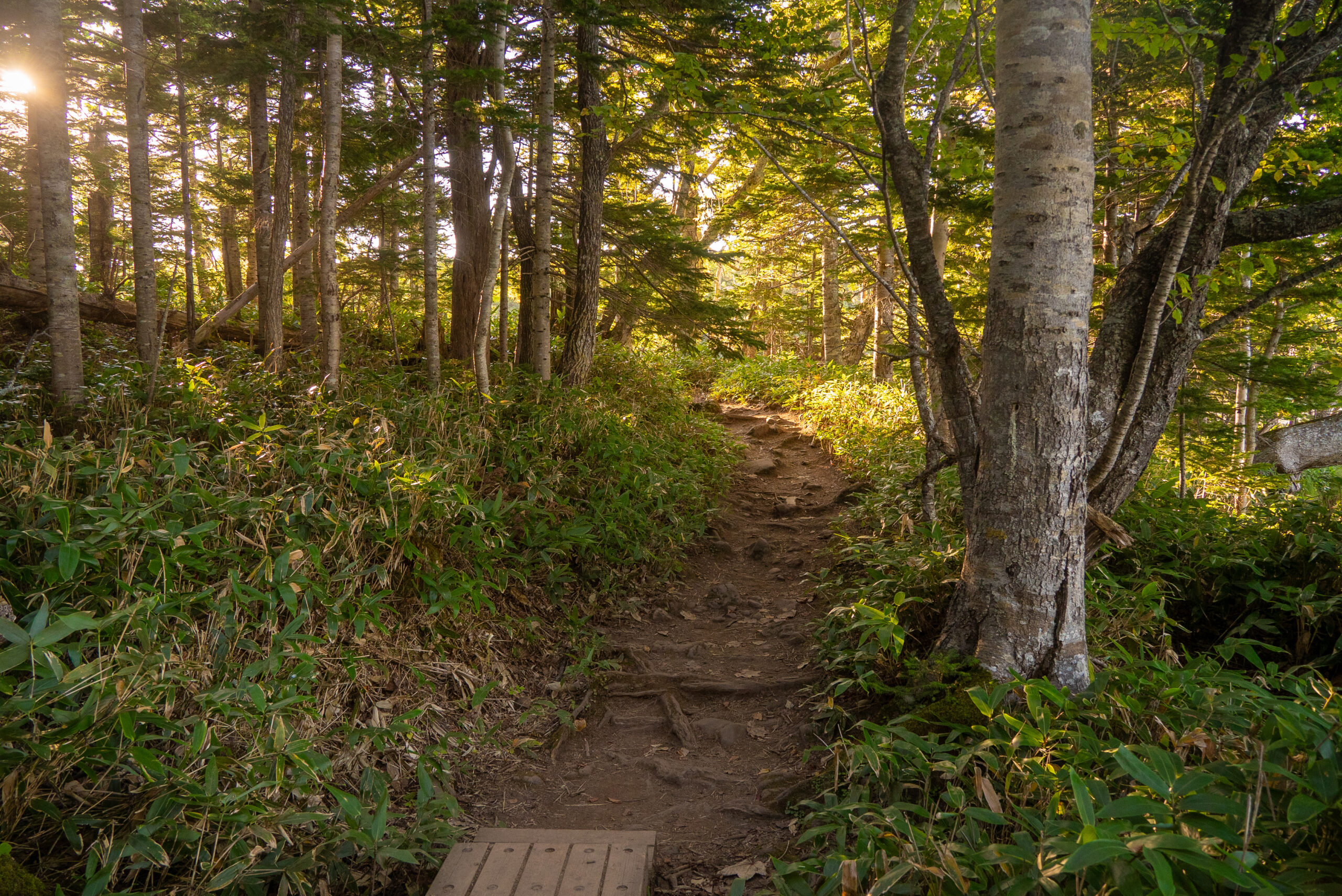
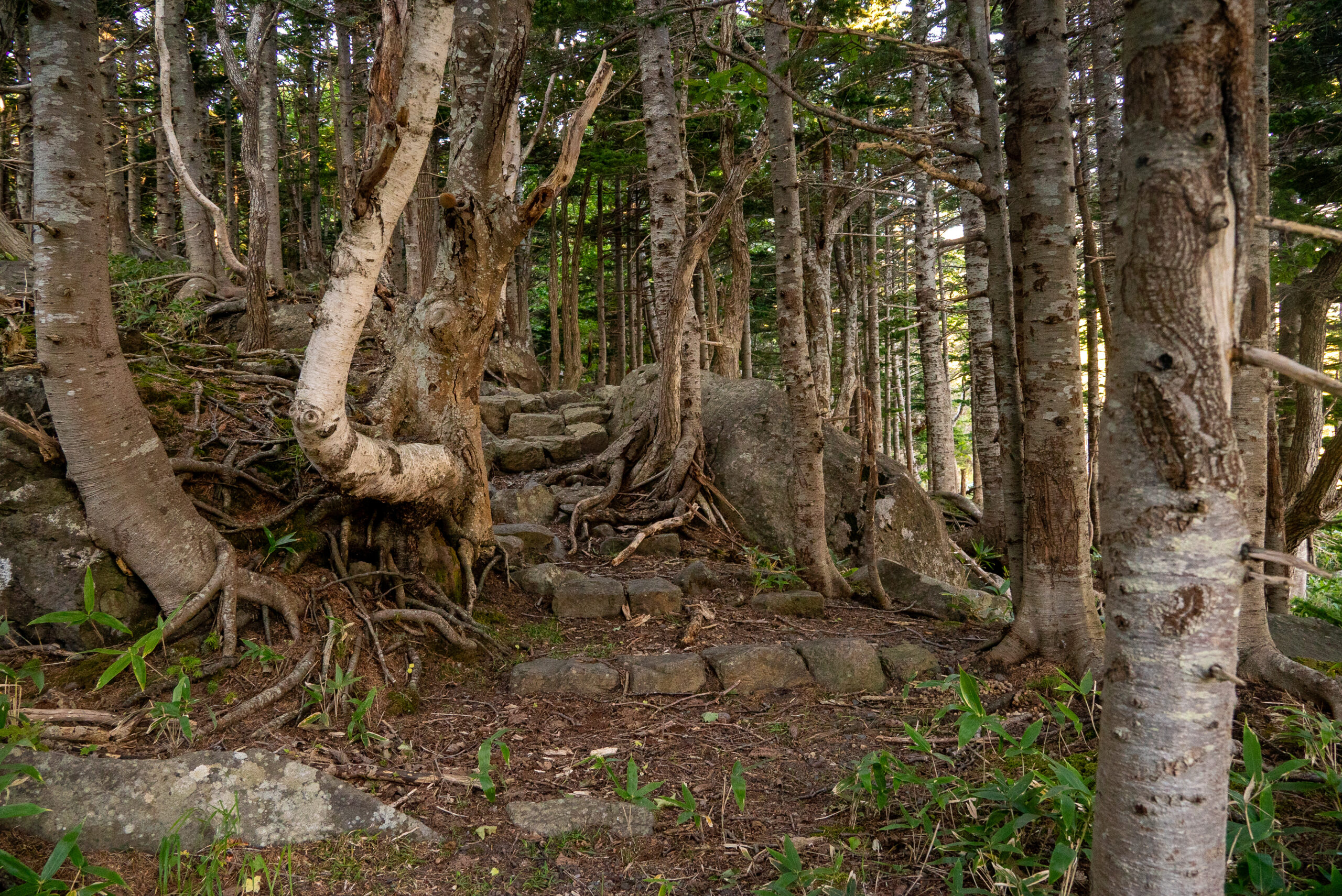
We walked along the long loop (which is about 3km) and were a bit nervous since this trail is not separated from the bears’ territorry. Our guide said nothing ever happend to anyone in a group of his, but that is also because of the rigorous safety measures: If you encounter a bear, you musst slowly retreat and exit the area, the whole park (exept for the elevated boardwalk) will then be blocked to all visitors! On the day we arrived, the park was already closed once due to a bear sighting and so we were very cautious and always had in the back of our heads, that we might have to retreat form the park. The guids all have walkie-talkies and are in contact with the info point that will coordinate in case of an encounter and lo and behold: when we were just heading towards lake number 2 (so the last lake before entering the safe board walk), another group on the other side of lake number 3 called in that a bear had crossed their path only 20m in front of them. Their group had to retreat but since the bear was sighted behind us, we were able to continue our tour. Though Makoto slightly increased the frequency of his warning calls (clap twice, shout “Hoi!” twice, to signal to potentially nearby bears that we are here and to better just not stay out of our way) and we were relieved to reach the boardwalk from which we could look for the bear from a safe vantage point. Sadly, it didn’t show itself, but that was alright since the view from the boardwalk was breathtaking even without the bear.
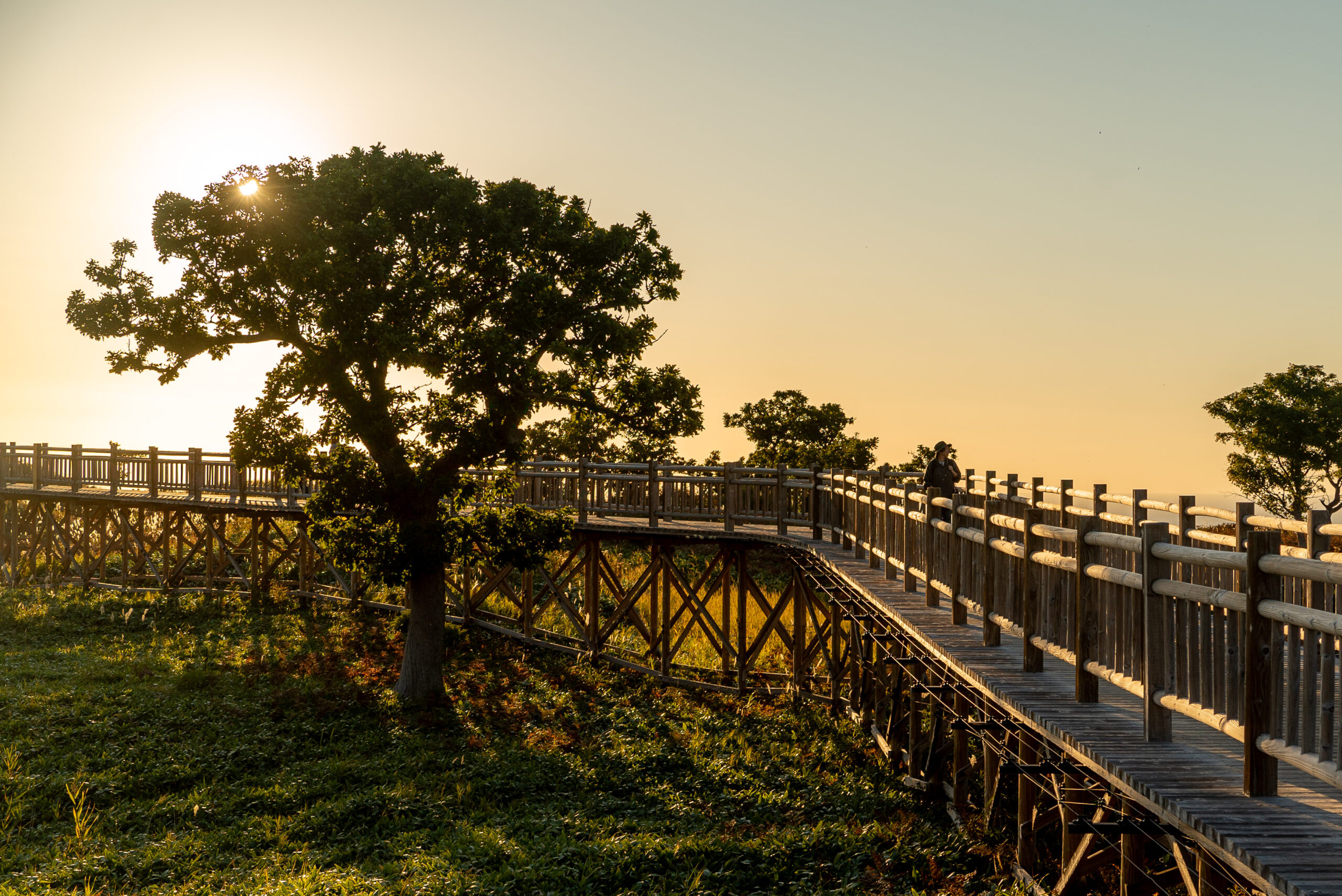
During the hike, we could however clearly see the signs of bears. In some swampy places the ground was dug up, where the bears looked for their favourite vegetable – the root of the skunk cabbage, and on one tree, which was host to a wilde wine plant, the bear had clearly climbed up to harvest the grapes. It left quite some scary clawmarks!
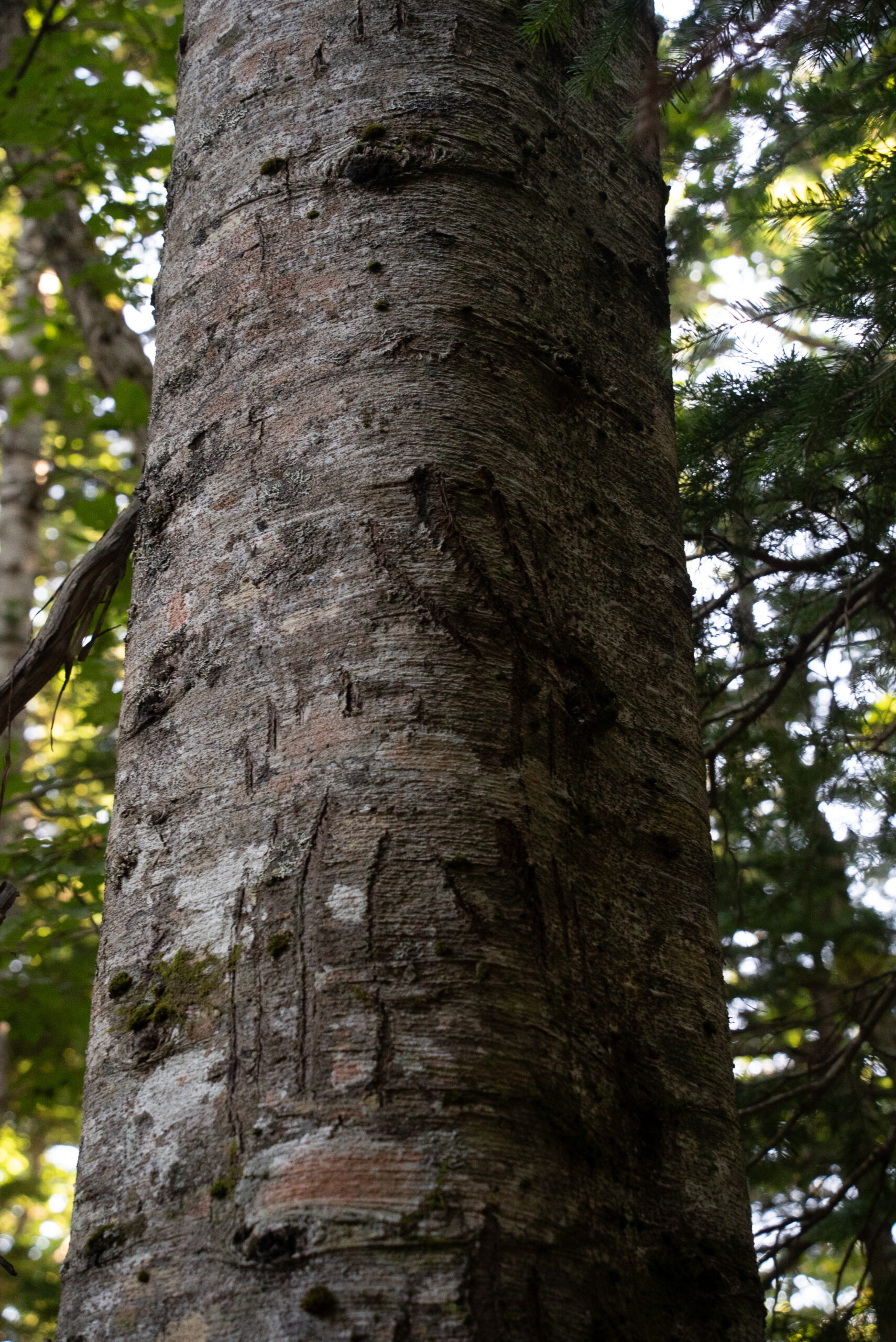
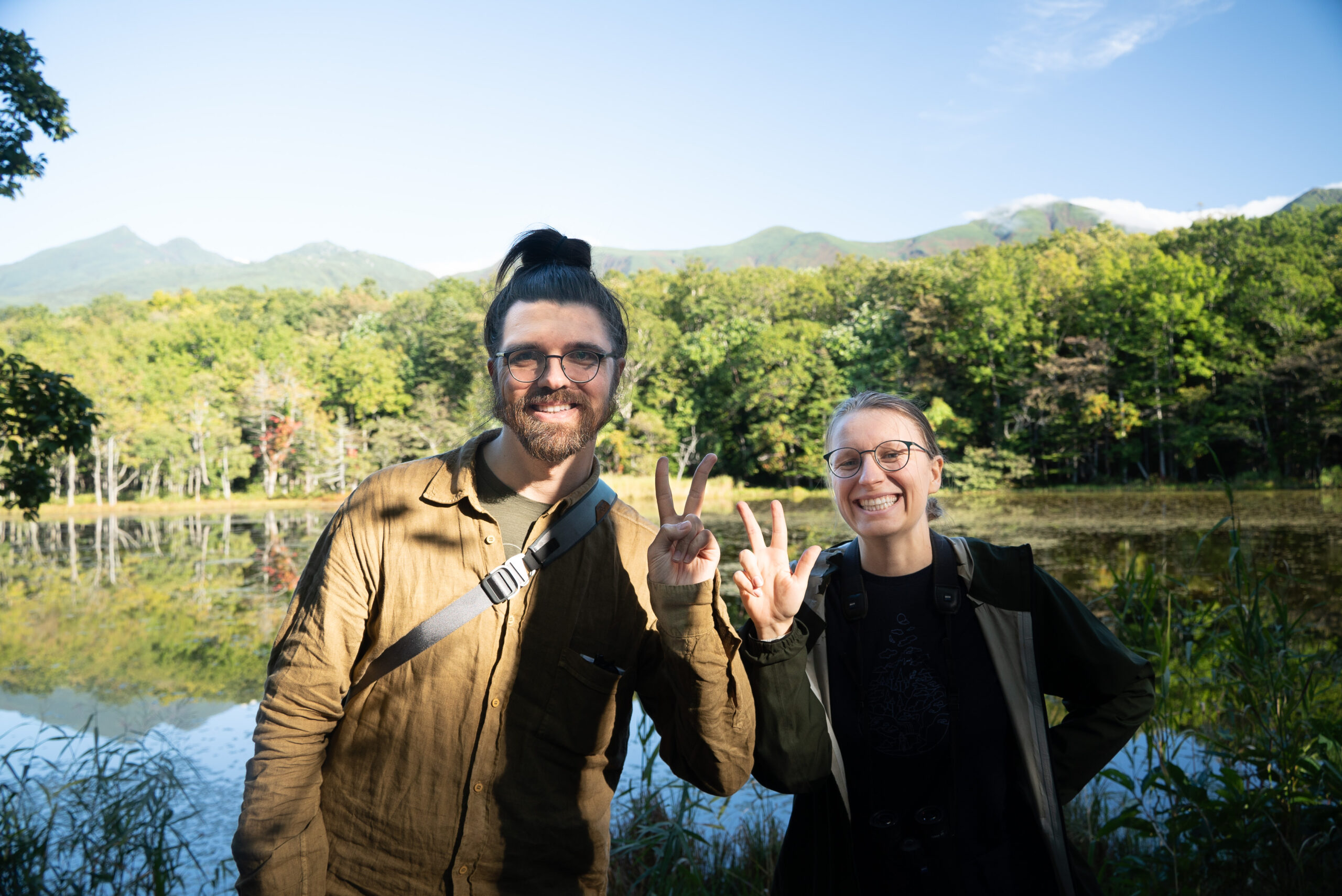
Lake number 5. It’s relatively small and unlike the other lakes it does not have fish or water lilies. The lakes don’t have an in- or outflow, so the fish and water lilies were introduced into the ecosystem by humans, the fish for sustenance and the lilies for the pleasure to look at them.
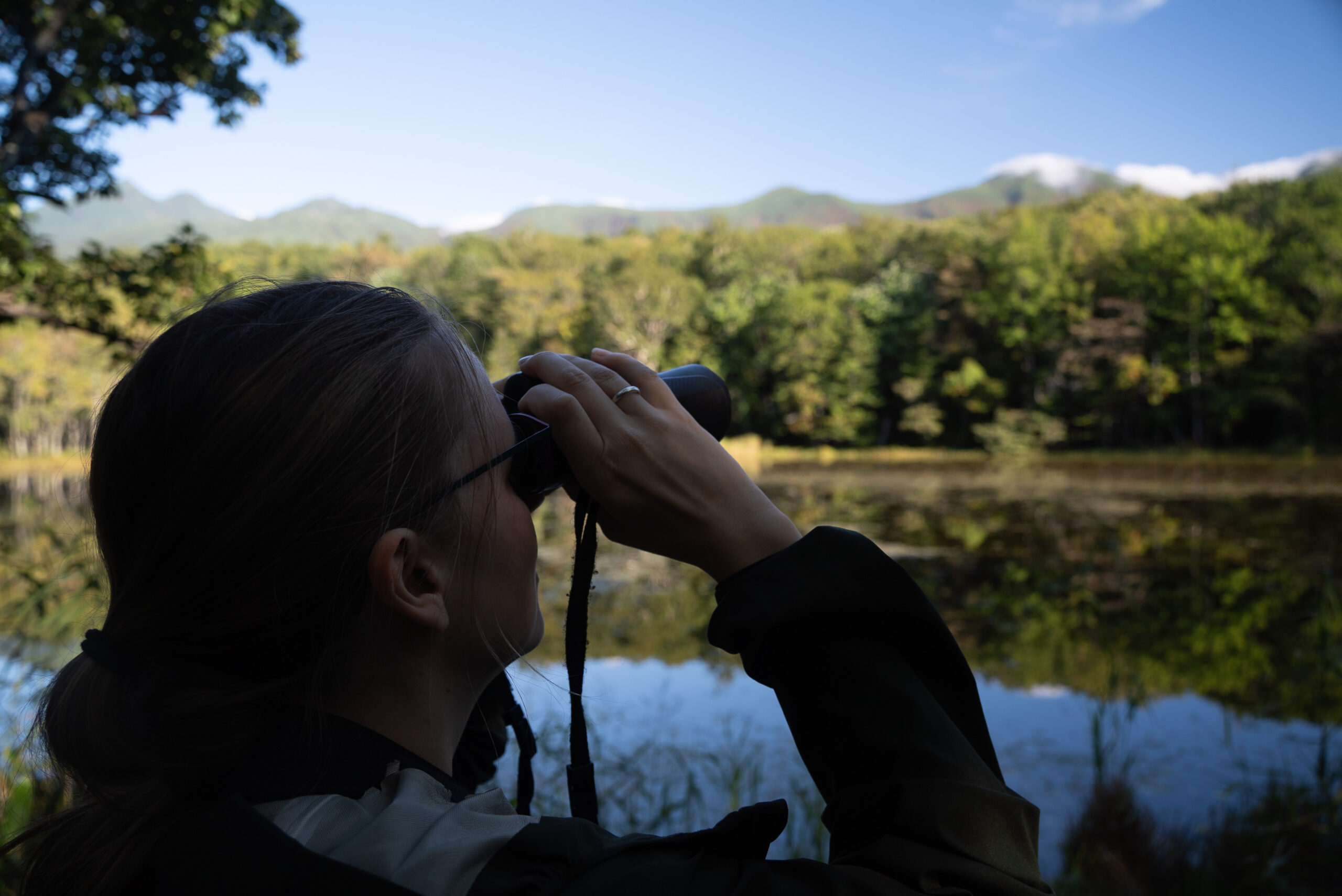
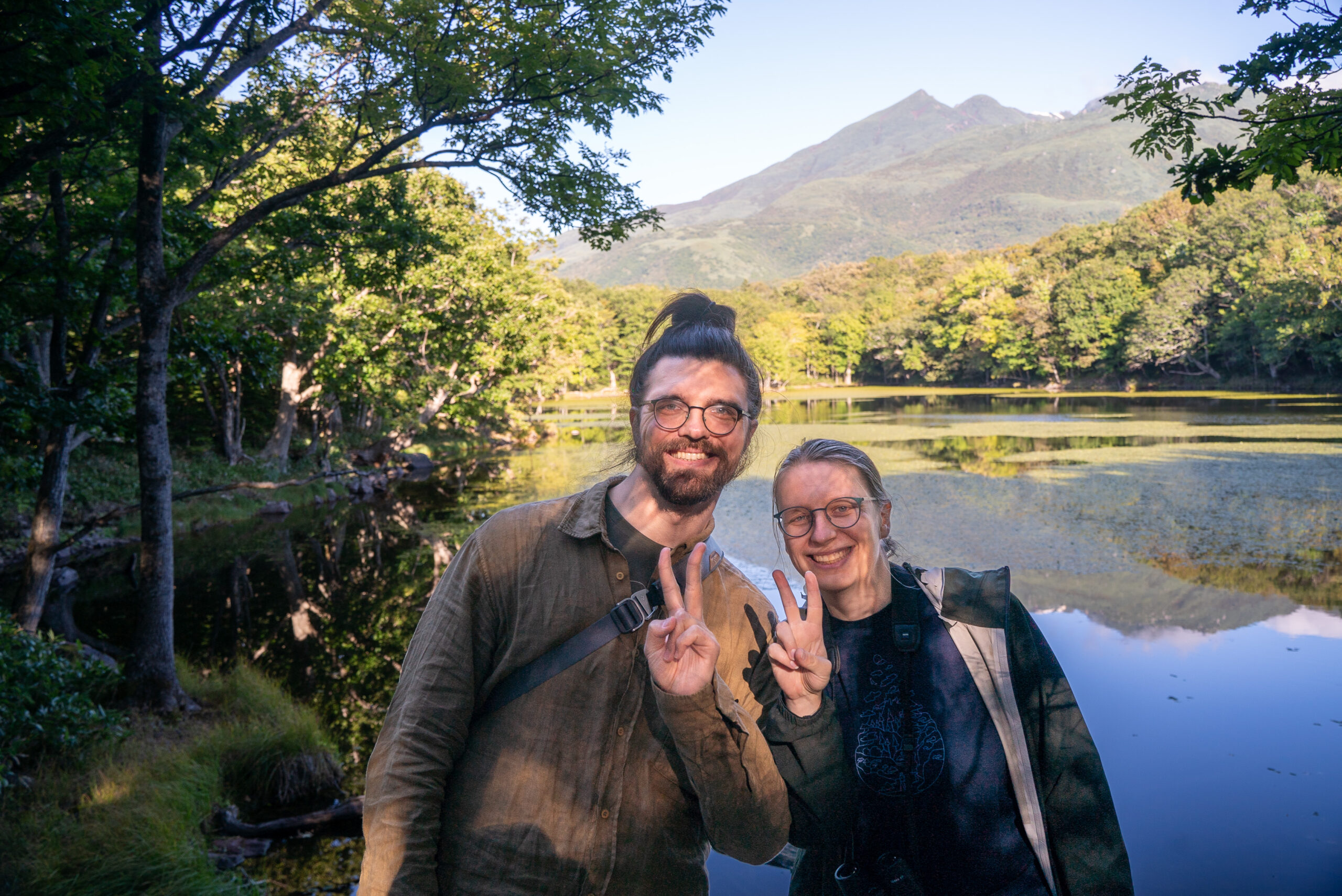

Lake number 4. Just like all the lakes that day, the water was as smooth and even as a mirror and you could see the Mountains twice without being drunk.
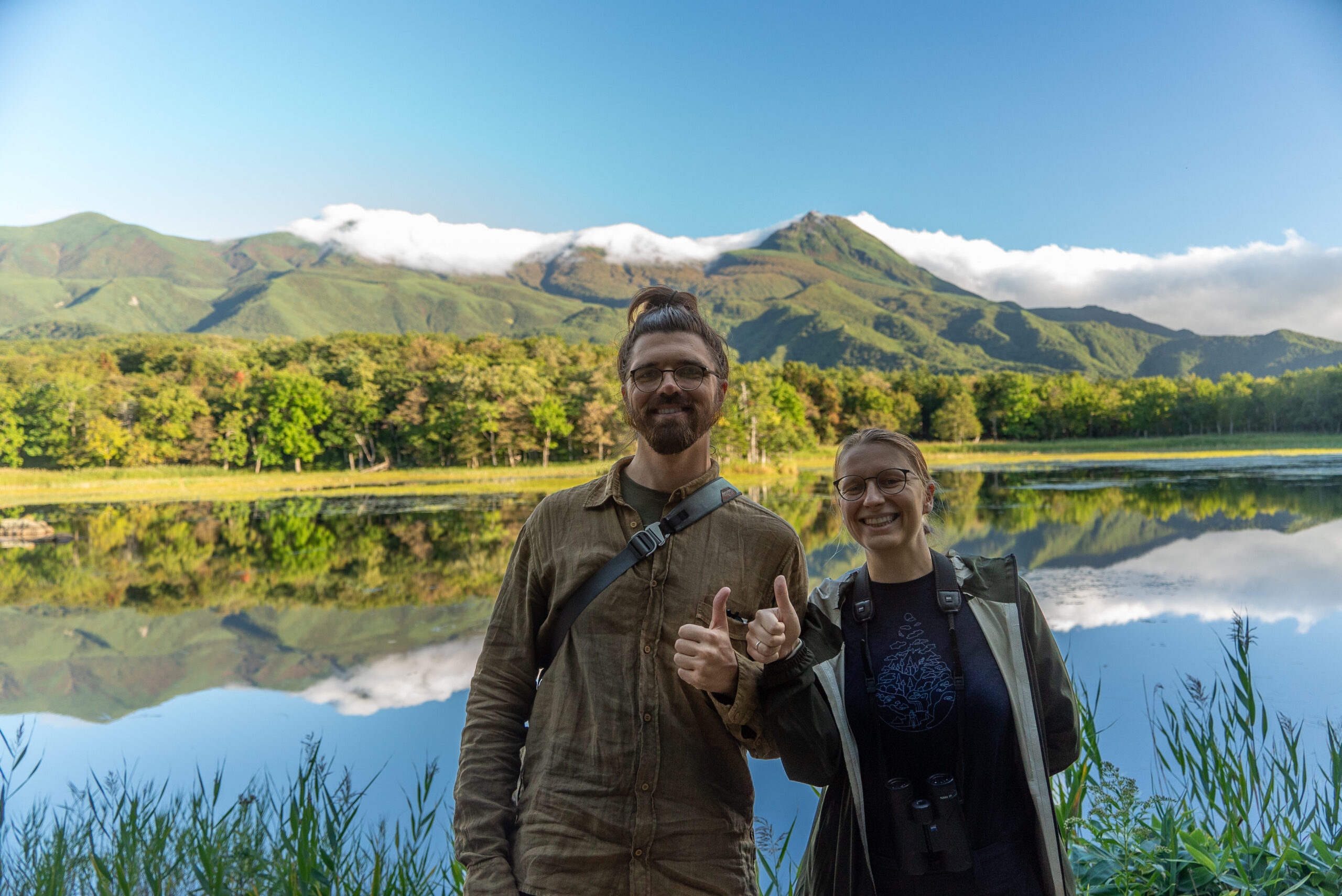
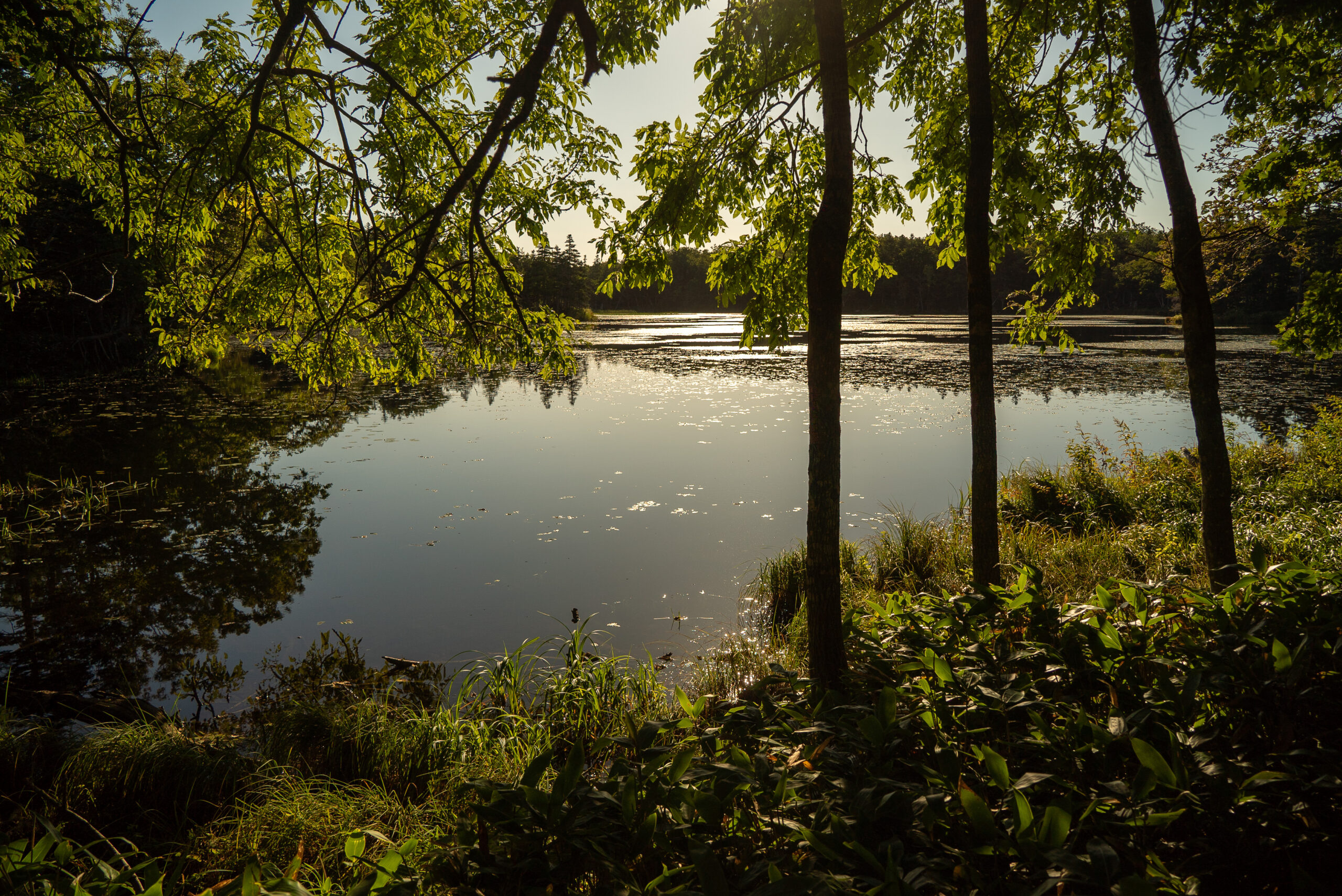

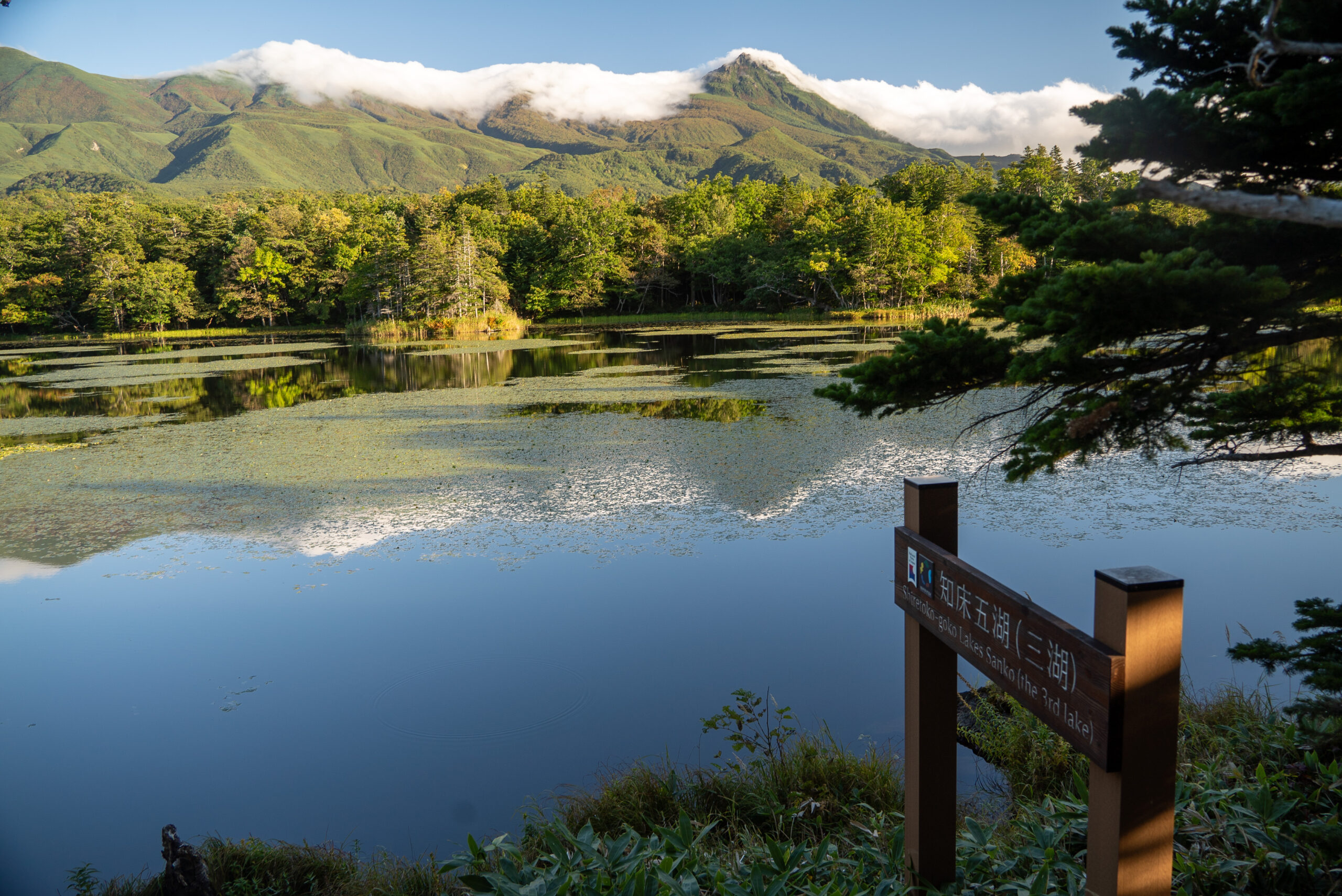

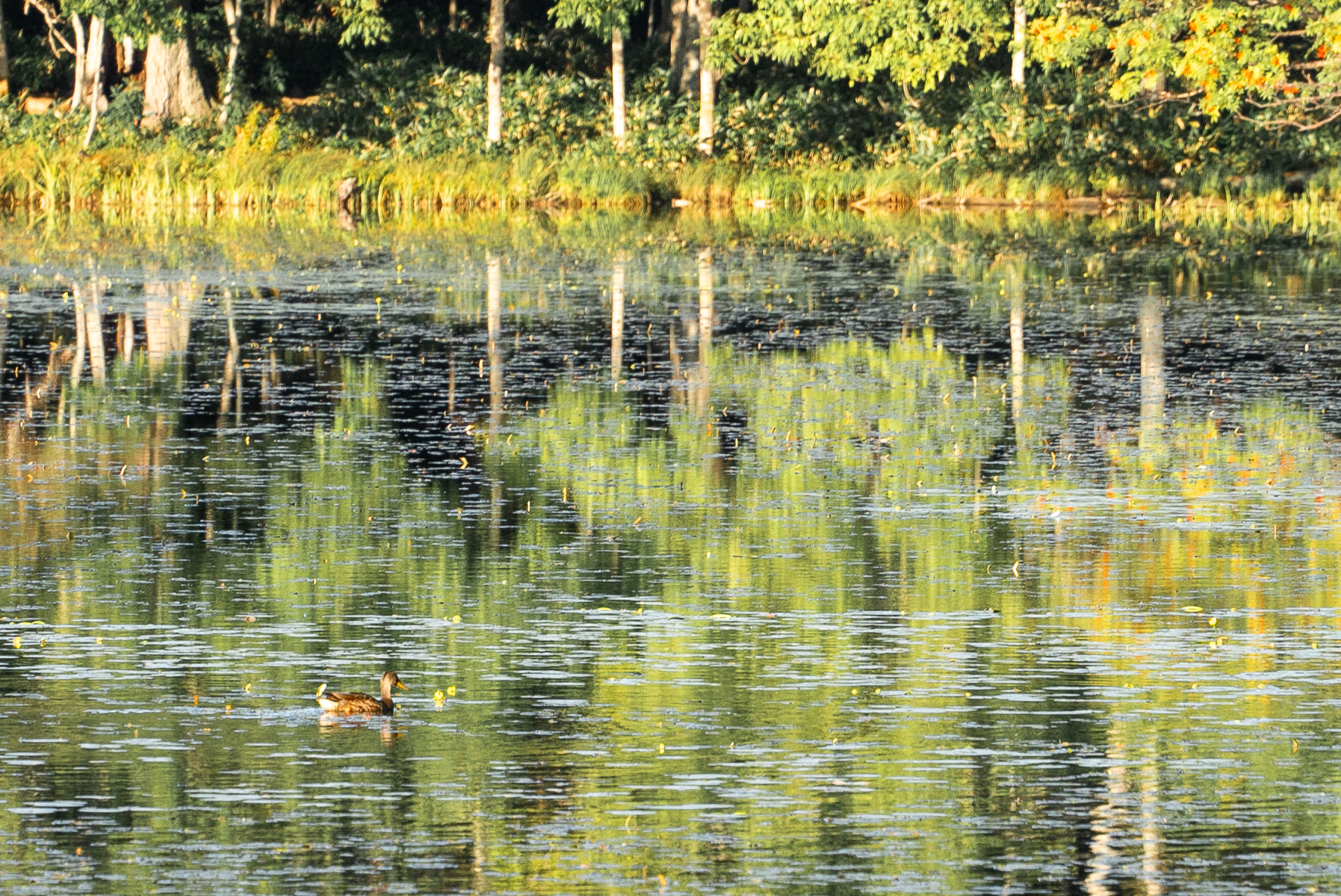
Lake number 3. Just as we had walked around the lake, a bear was sighted on the other side of it. We only saw a duck and could continue on our way.
Lake number 2. The largest of the lakes and also a perfect mirror. It was hard for us to chose pictures here, as even though we’re no prefessional photographers all pictures turned out great. But we forced ourselves to make a selection. See if you like it!
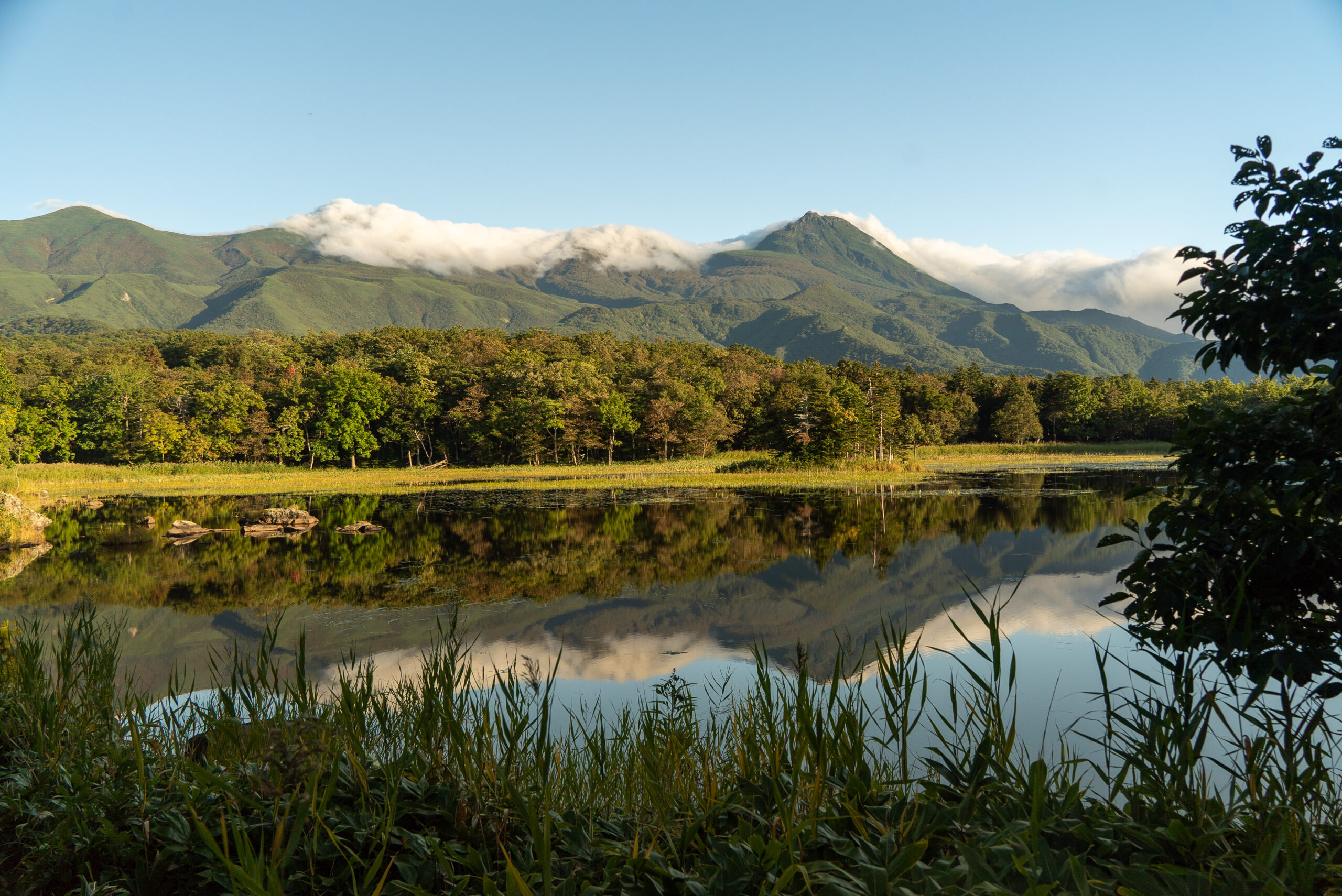
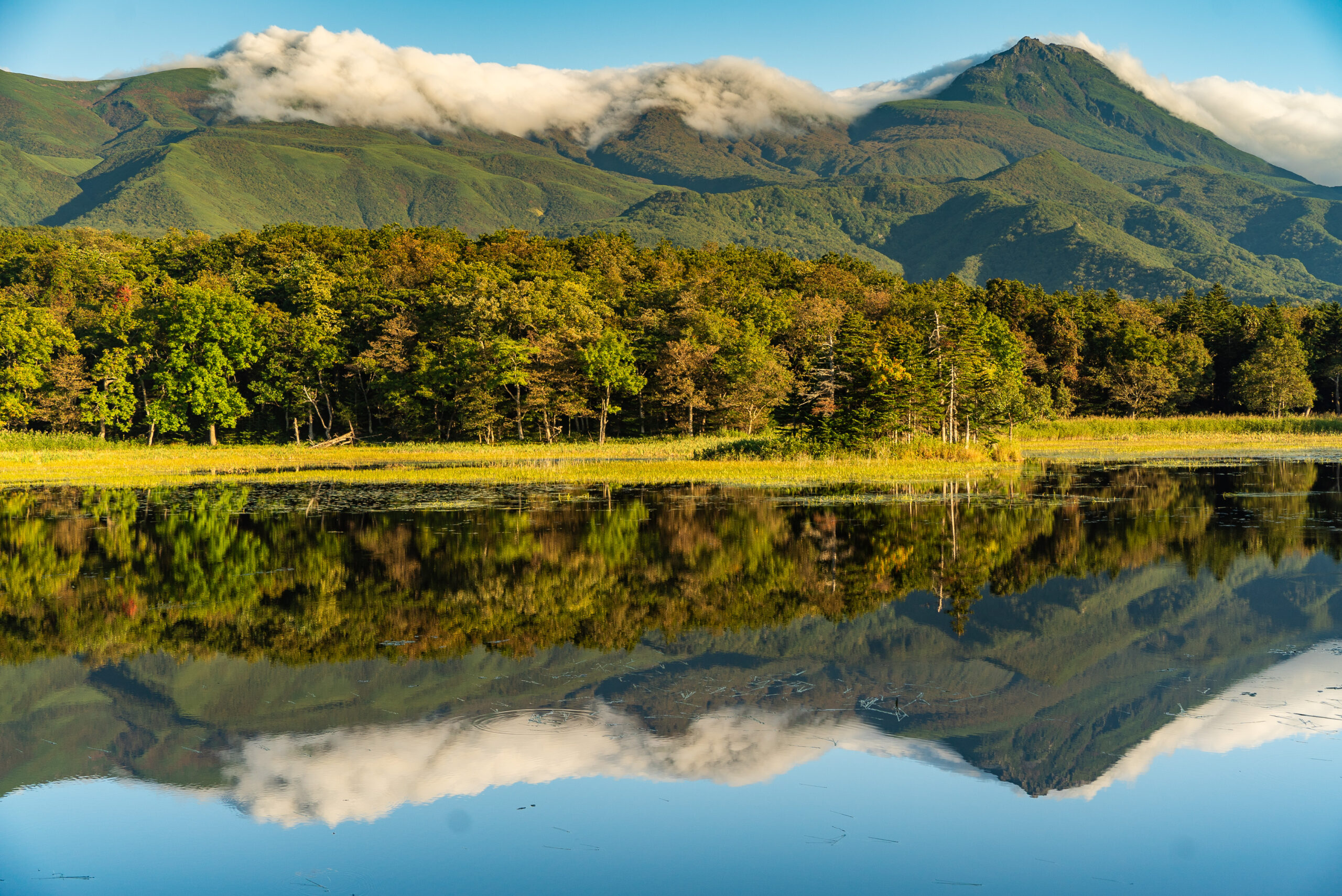
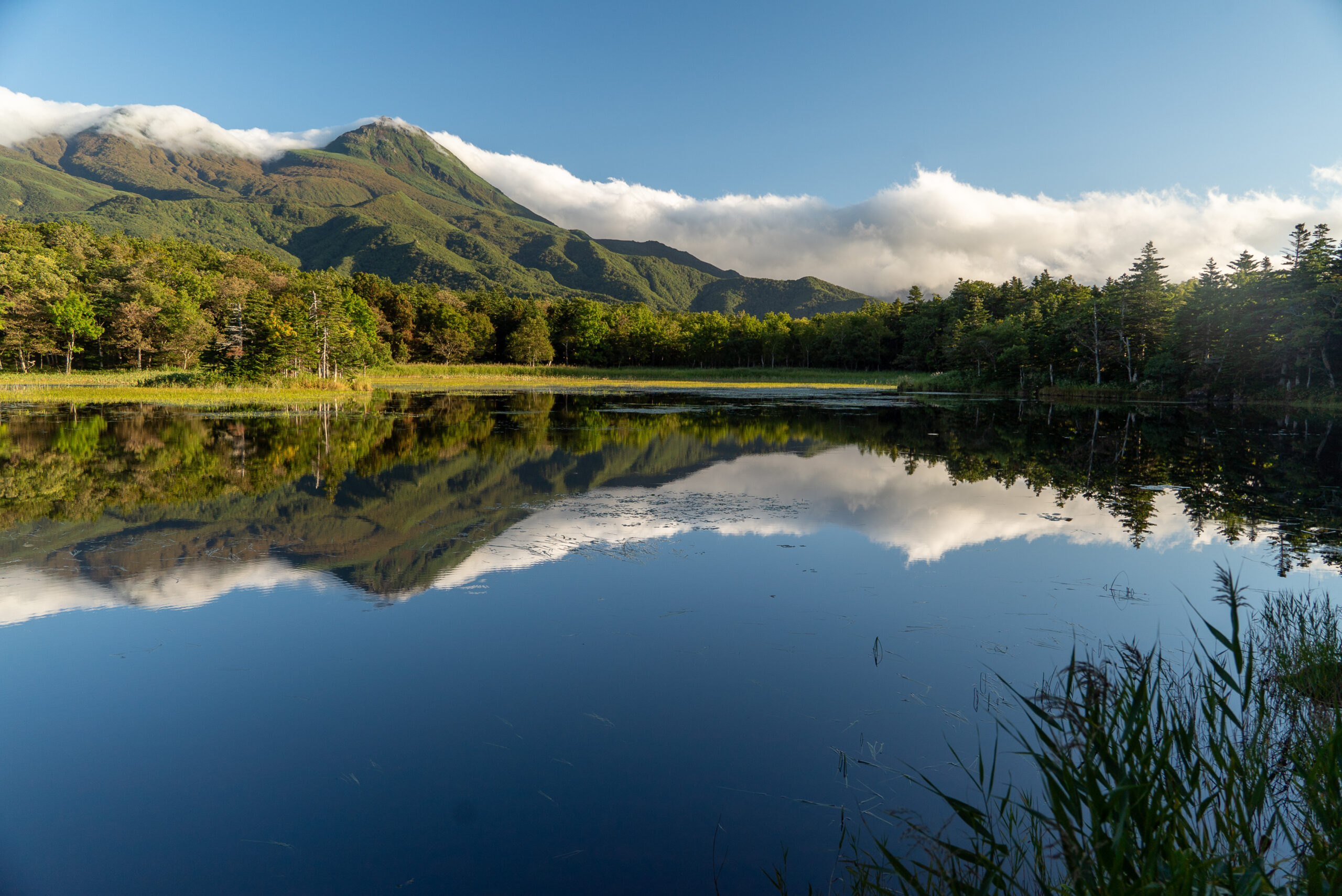

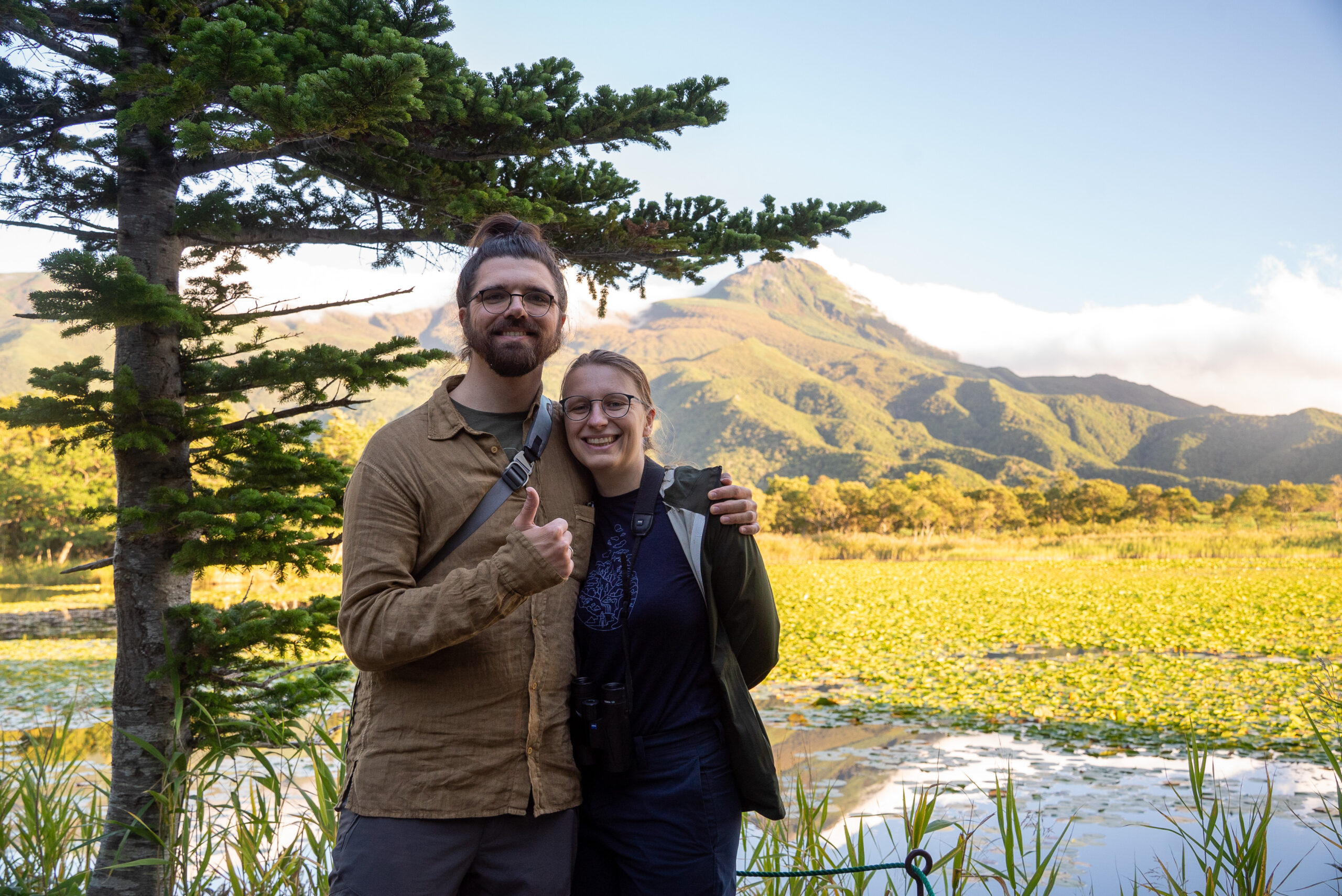
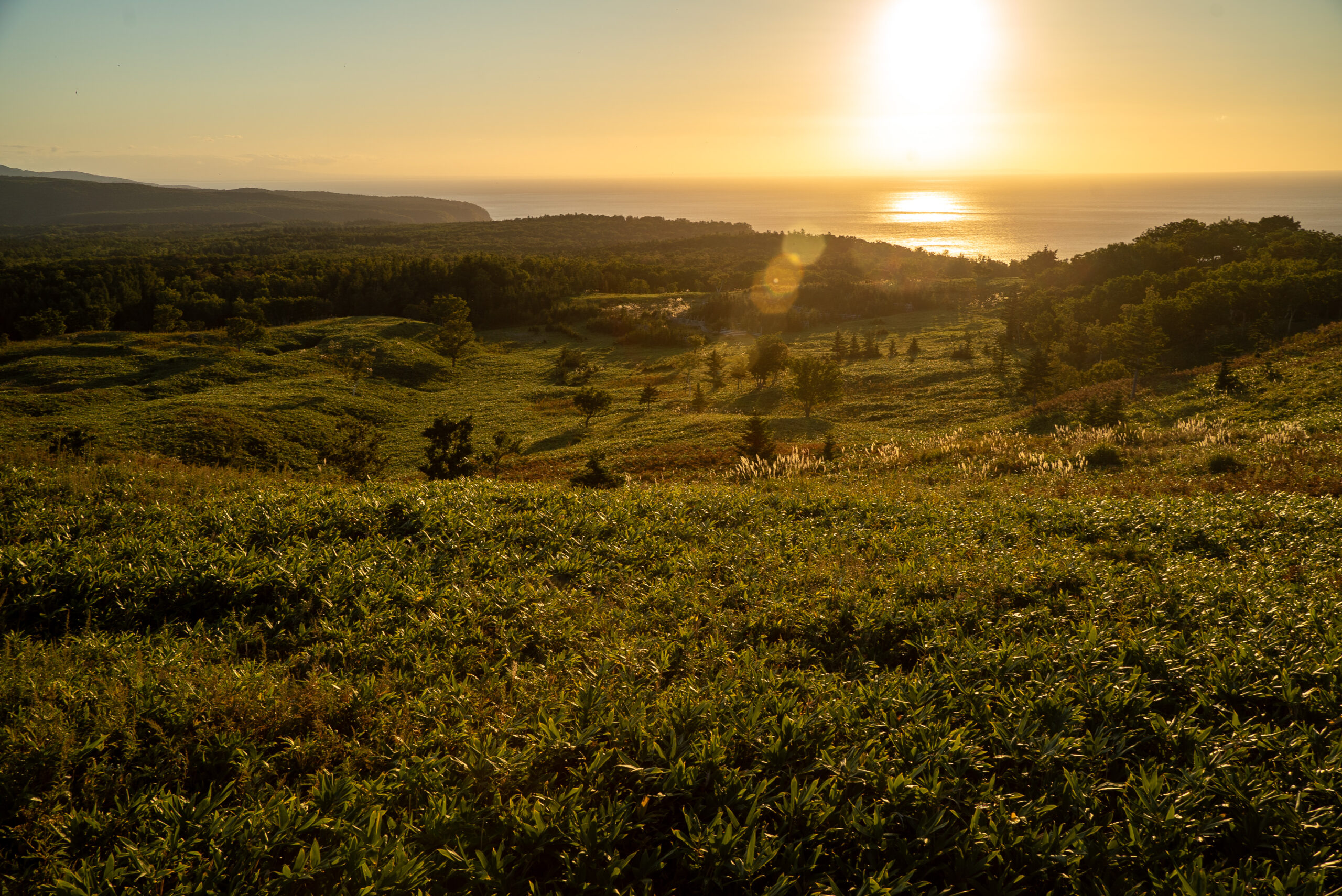
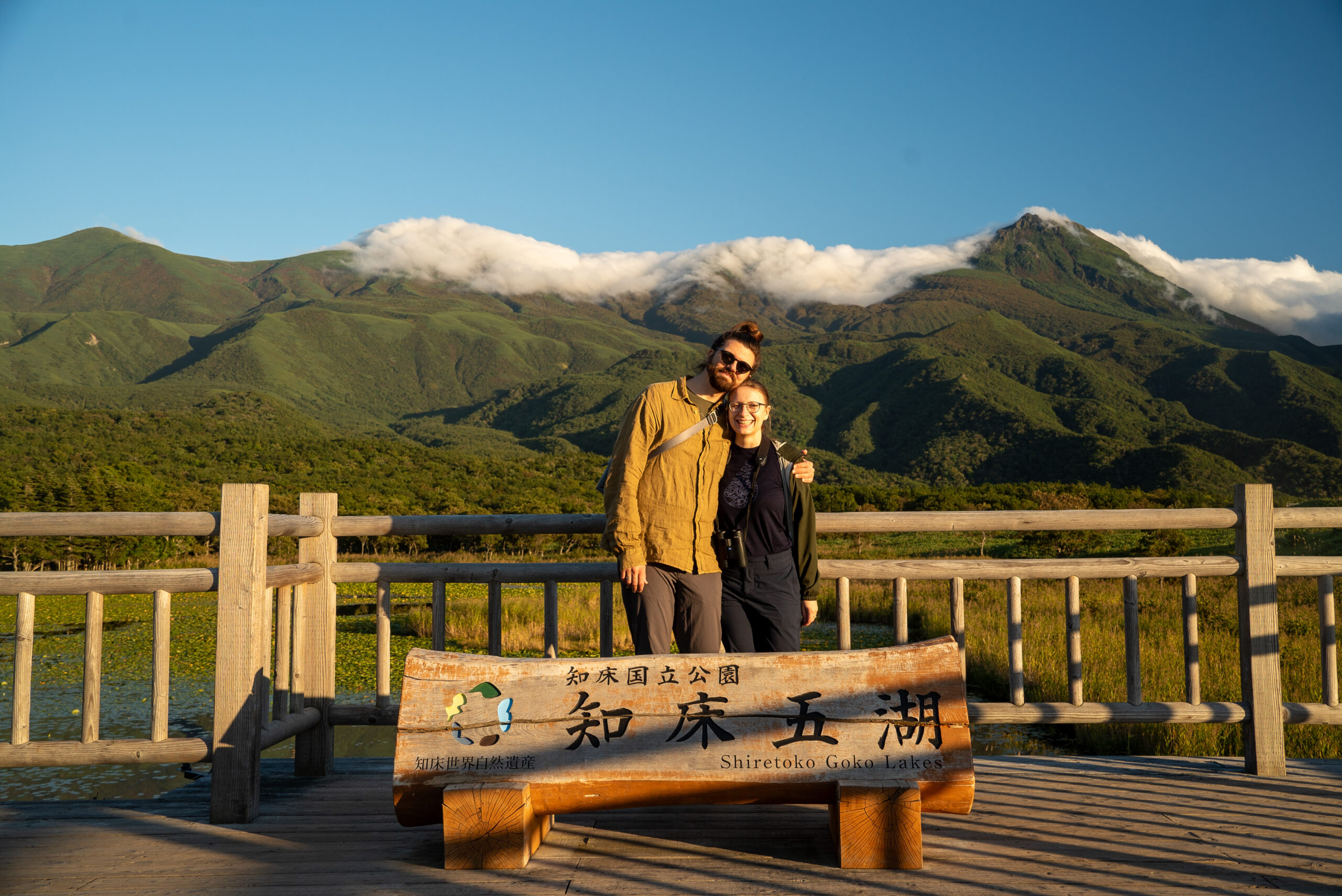
Lake number 1. Made it! A beautiful lake, but it’s competing with the sea on the other side of the boardwalk – almost a bit unfair.

To be precise, this is the Sea of Okhotsk, that is “seperated” from the Northern Pacific in the East by Kuril Islands, but to us it already felt like the Pacific Ocean, because the a loose island belt is not a proper separation ; )




Leave a Reply