


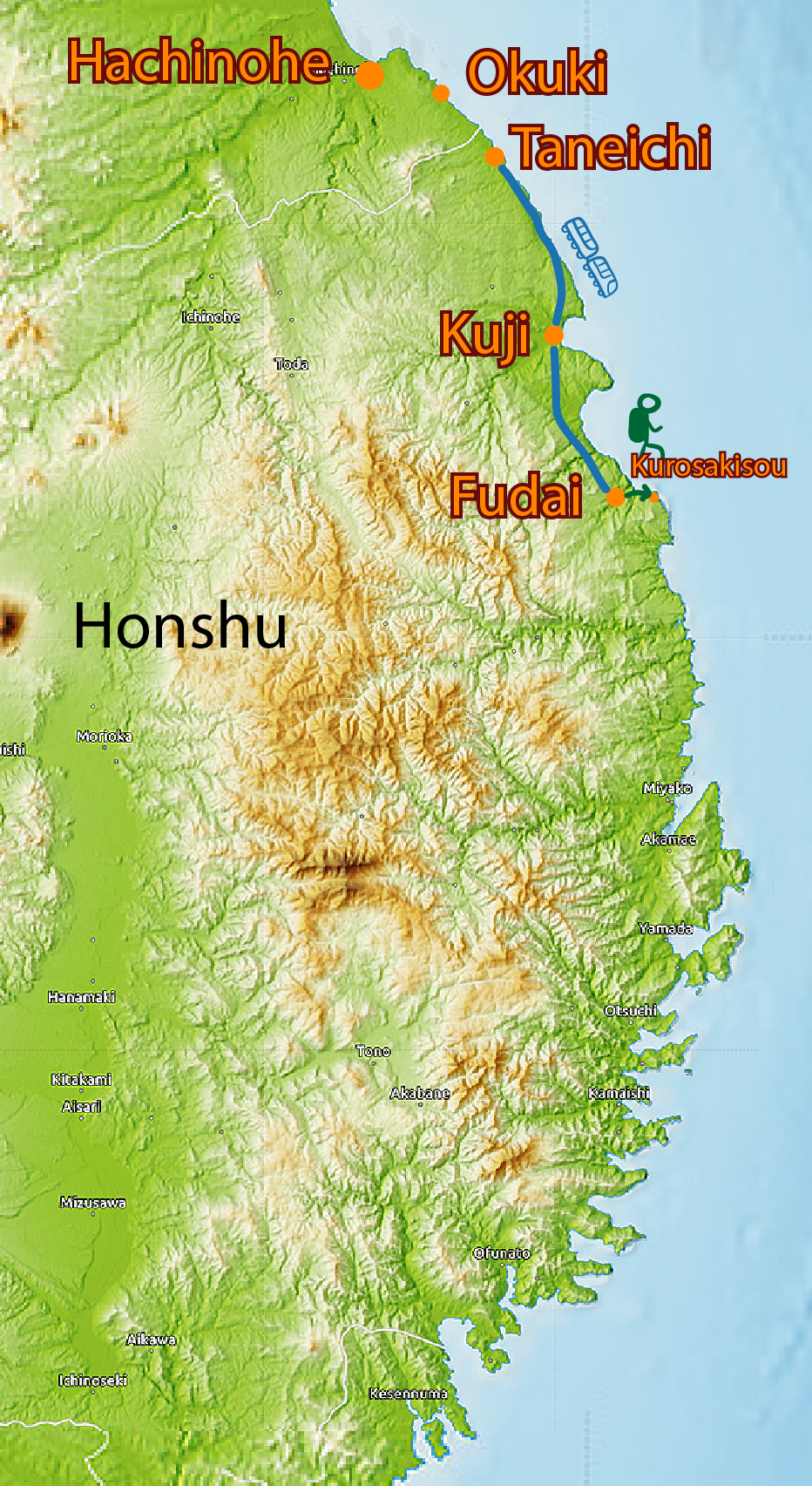
Our next trip was another short one, because the reststations on the way are not very evenly distributed. In total we hiked from the Fudai train station to the Tanohata train station with a night spent at Kurosakiso hotel.
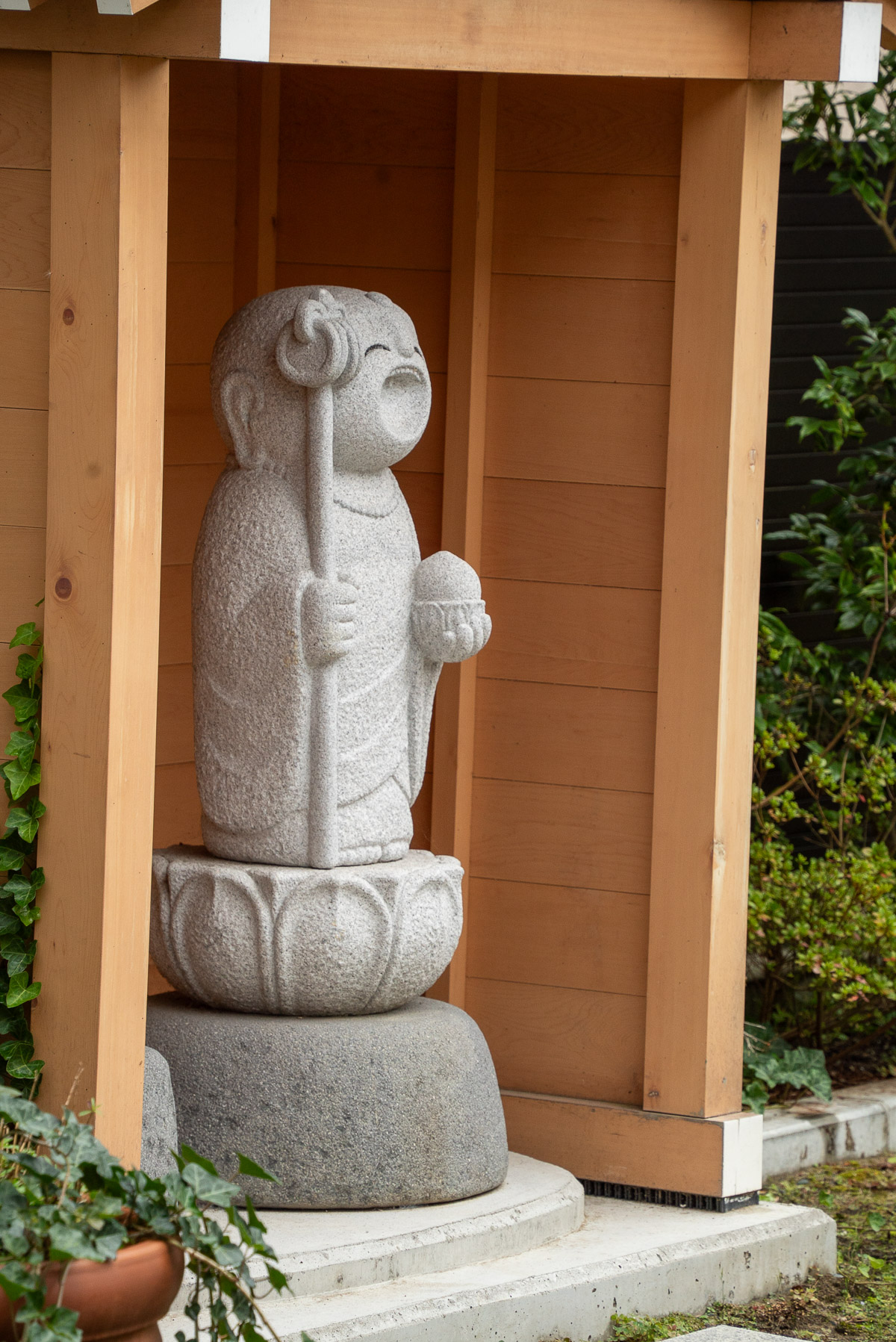
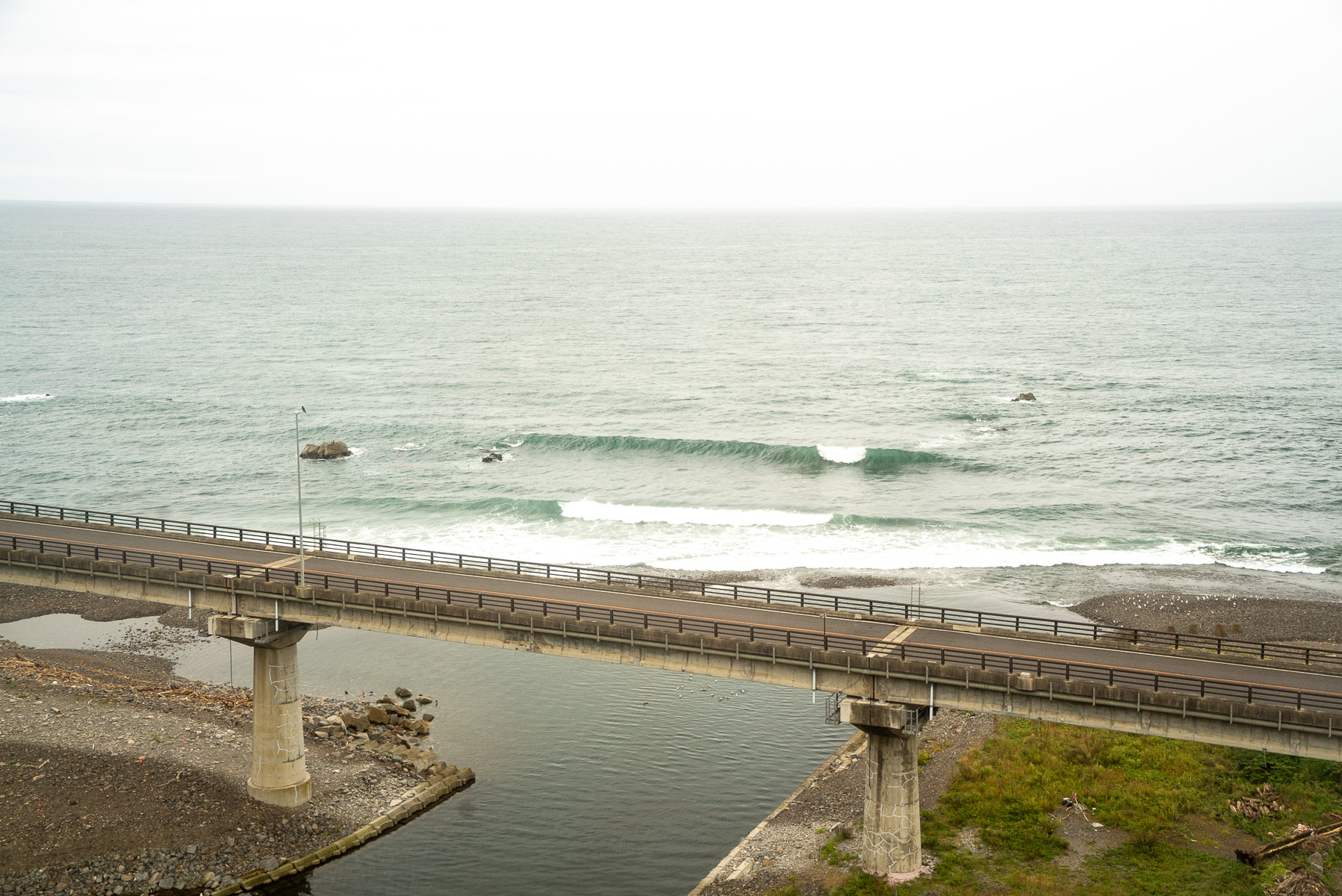

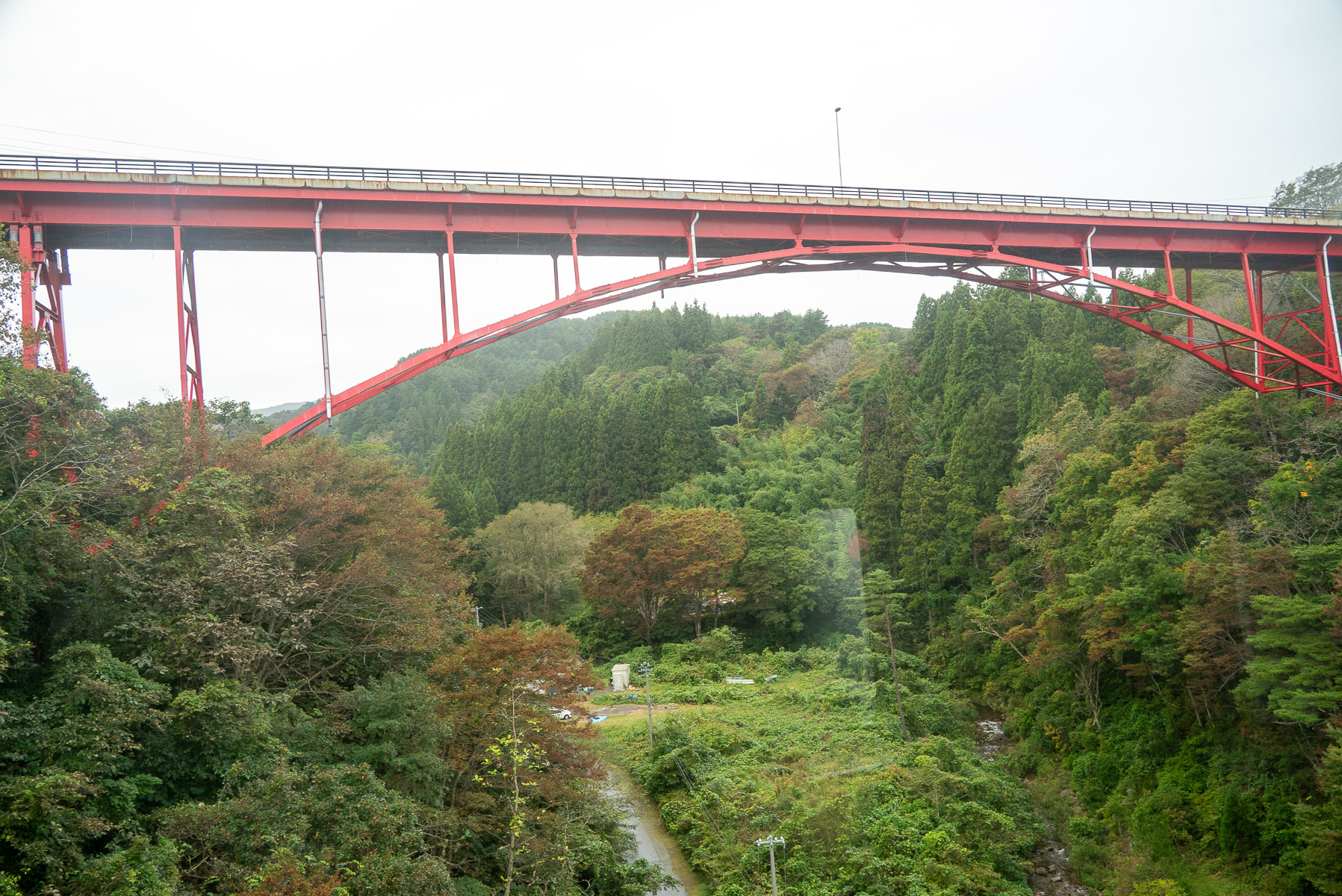
This part of the trail is definitly less well developed than the Hachinohe part and we had to walk part of it on a regular road without a sidewalk, which we didn’t appreciate so much.
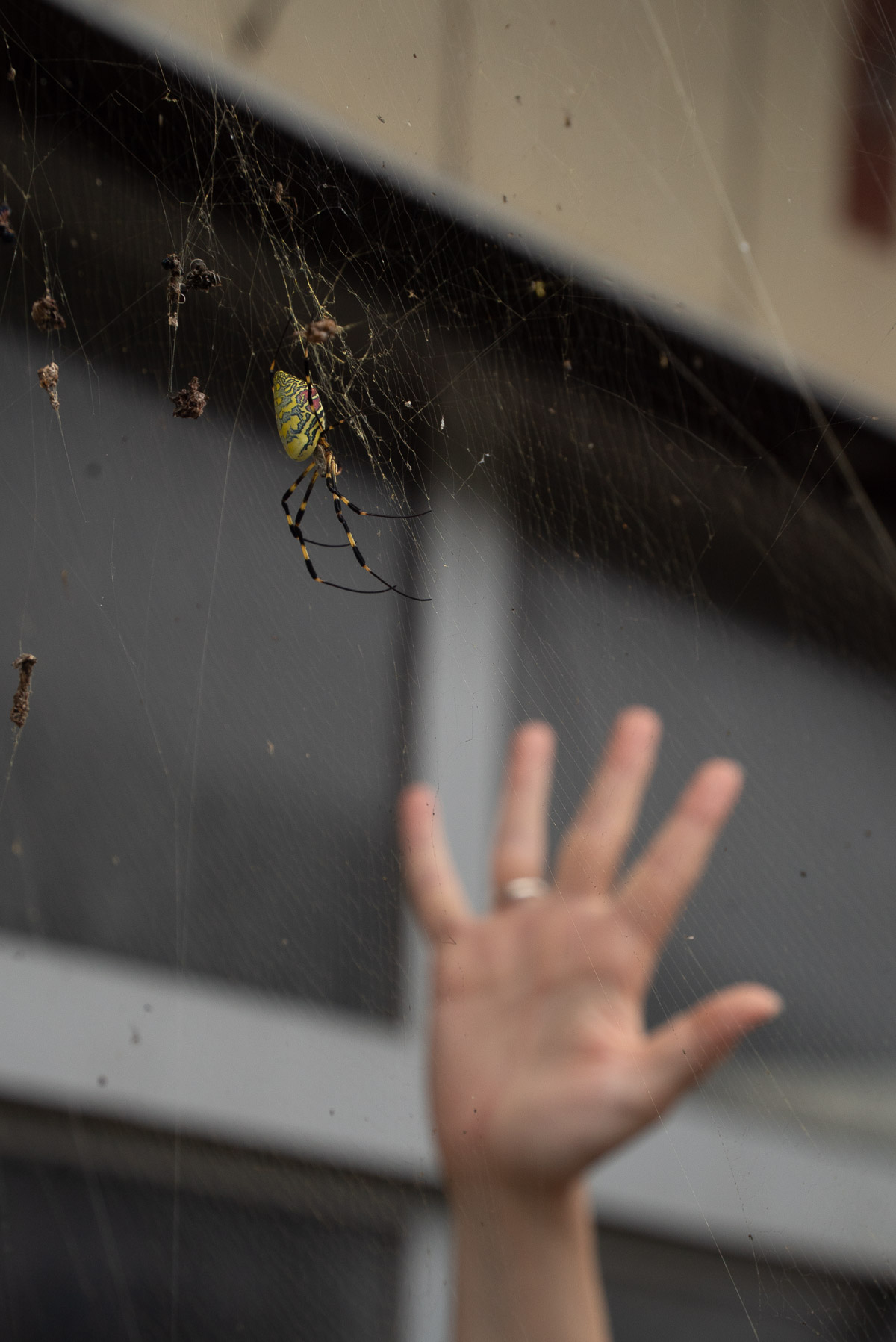
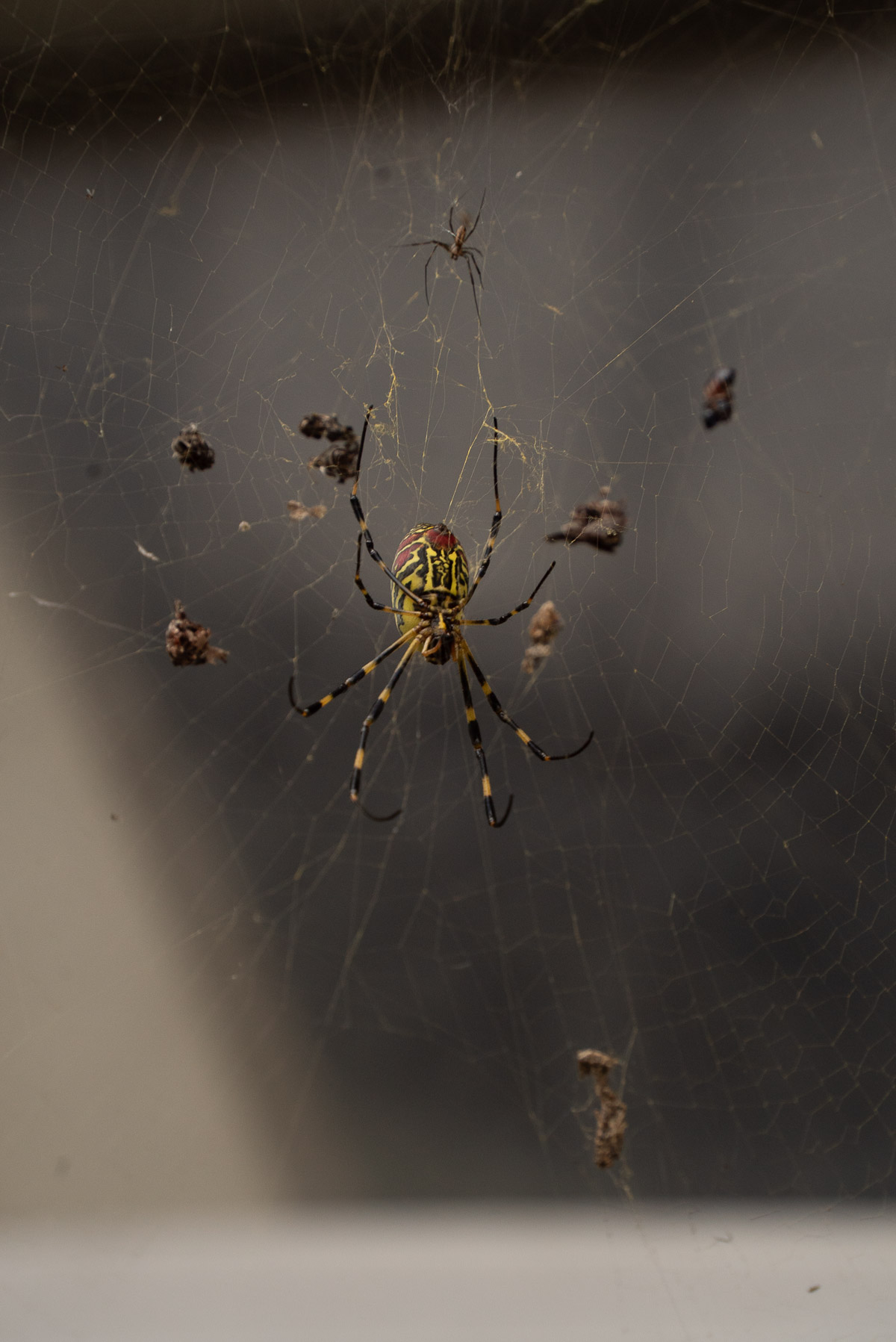
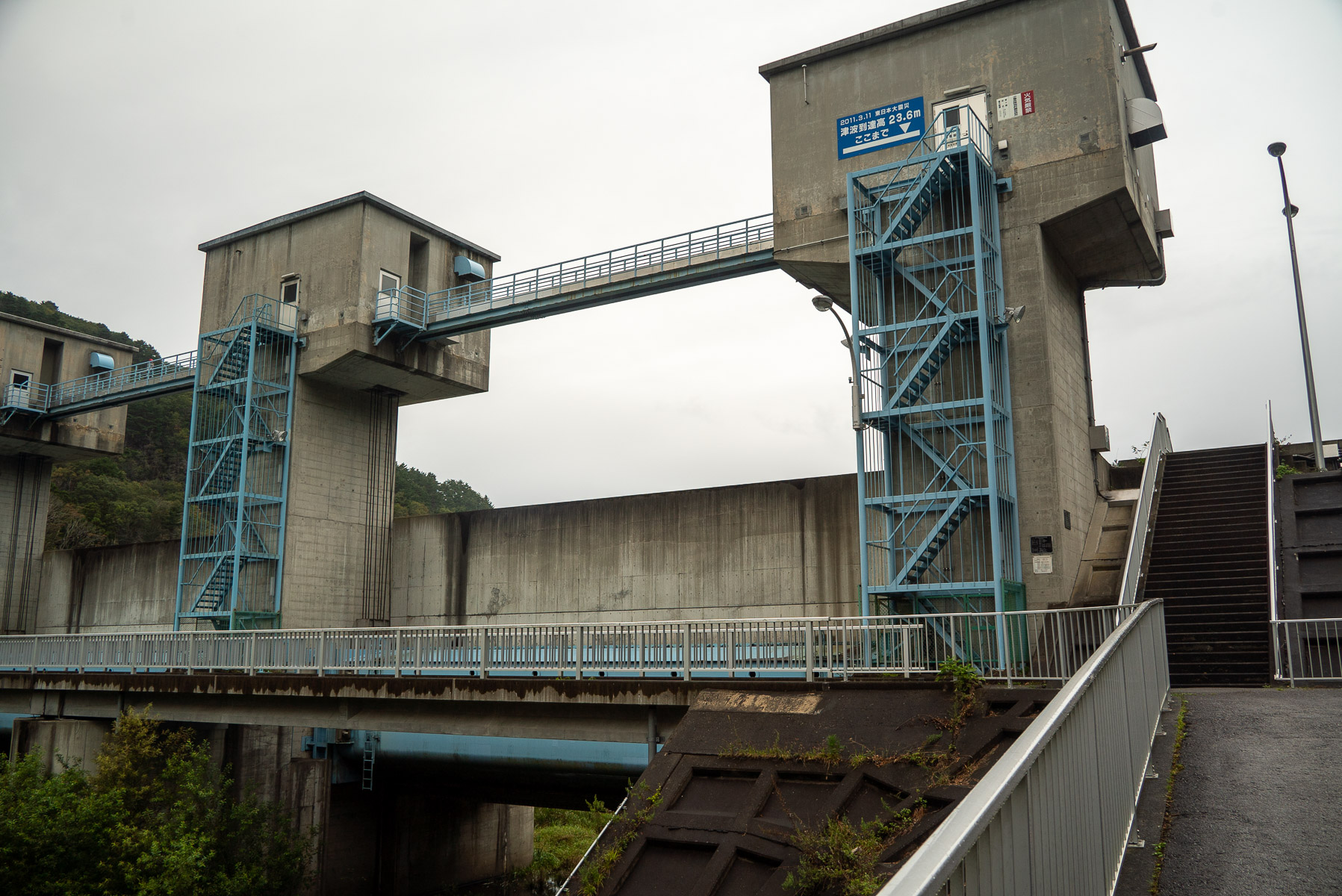
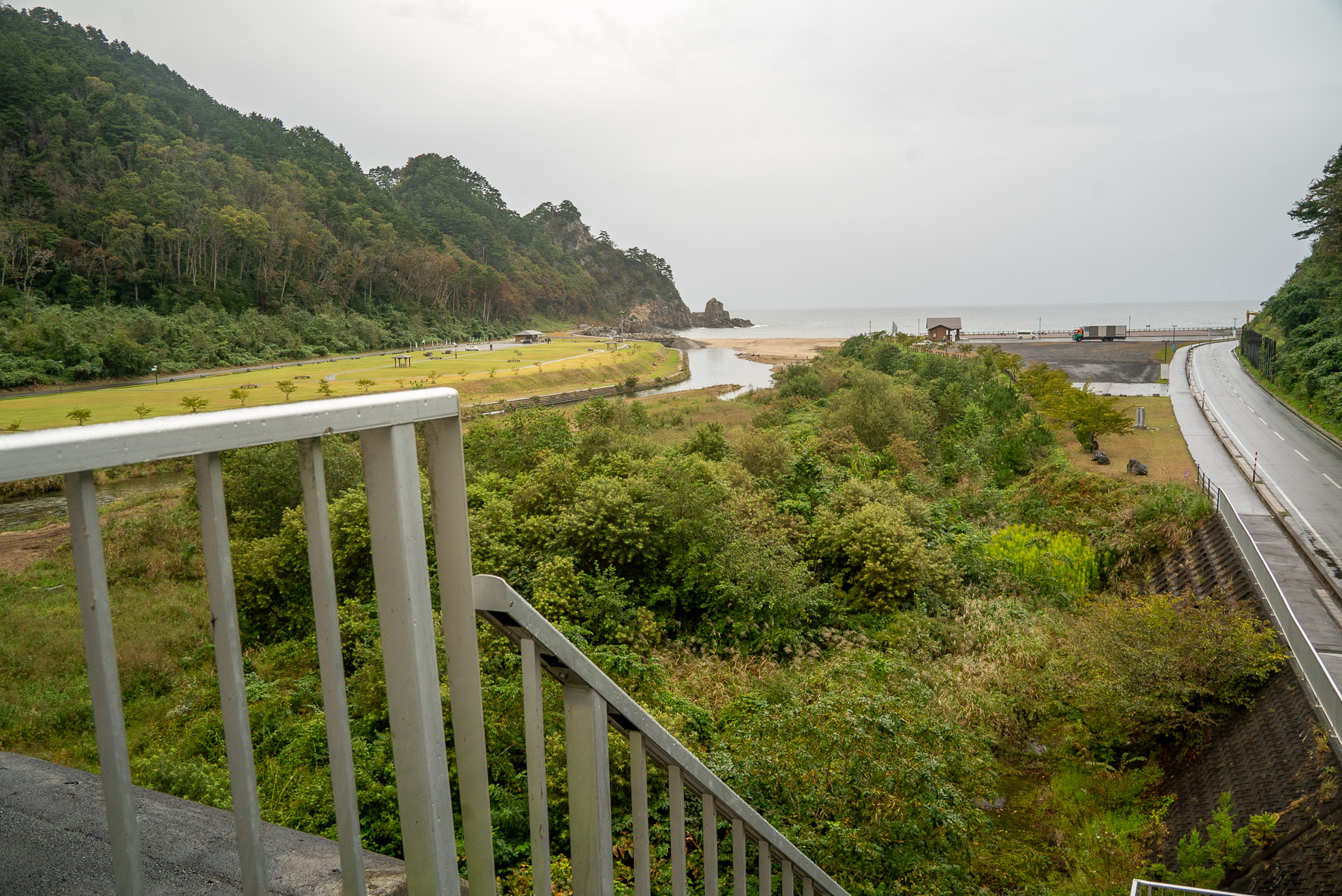
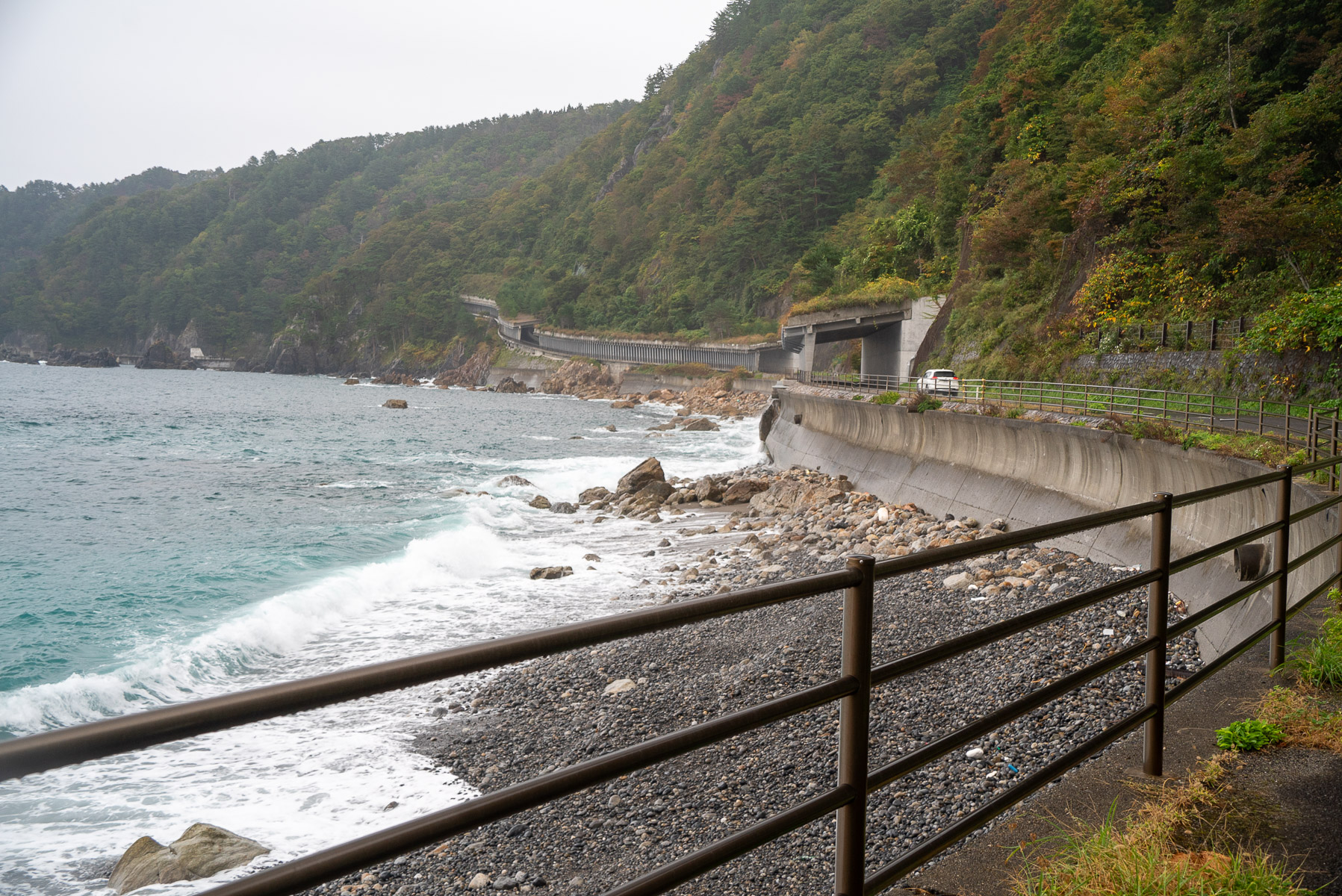
But since there were few cars on the road, by the time we reached the “open” tunnels, our dismay quickly dissipated. For the first tunnel we still had to walk right next to the traffic, but all tunnels thereafter had a sort of column design on the side facing the ocean. As a pedestrian you can simply pass between these columns and walk on a path next to the tunnel from which you had a terriffic view of the pacific.
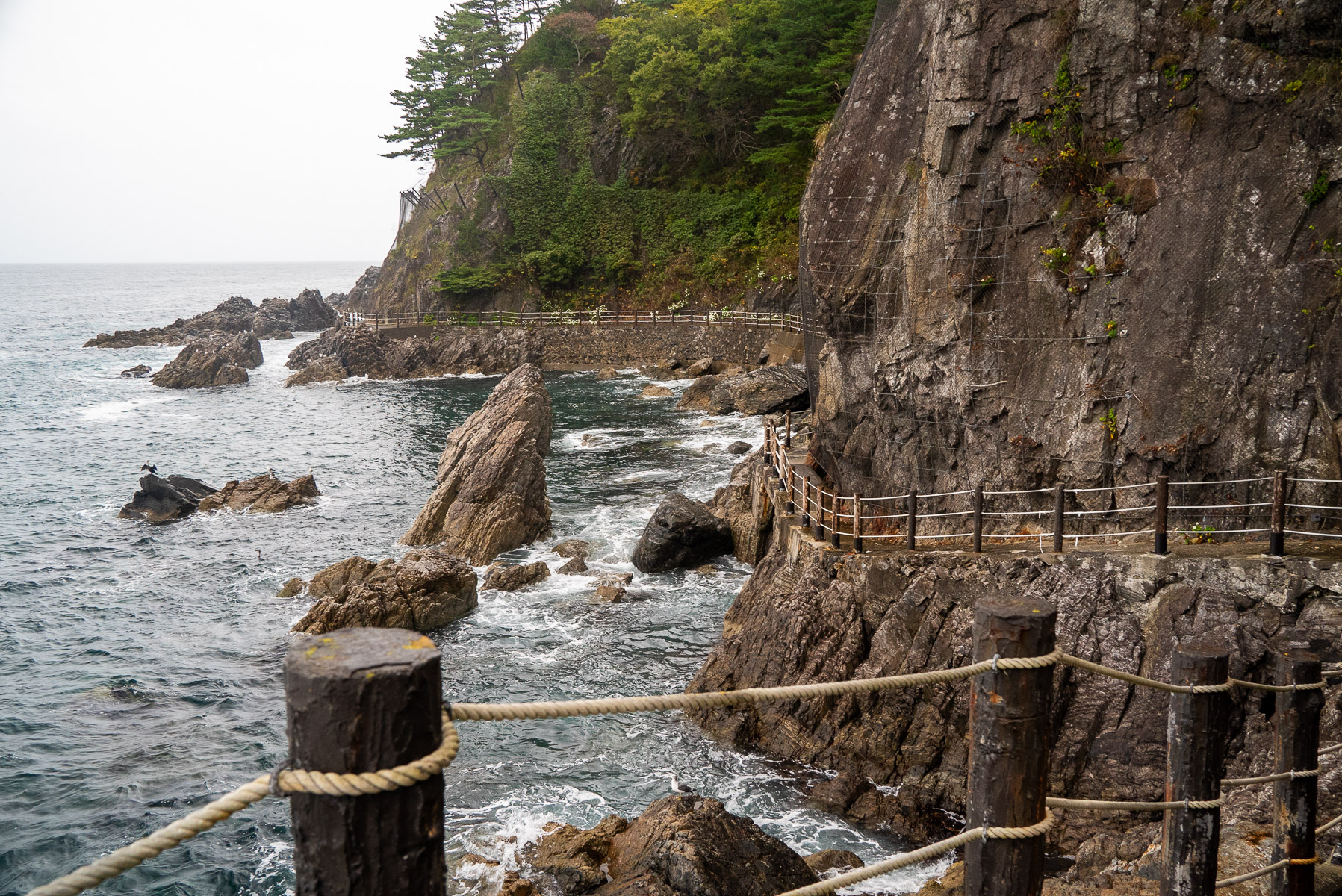
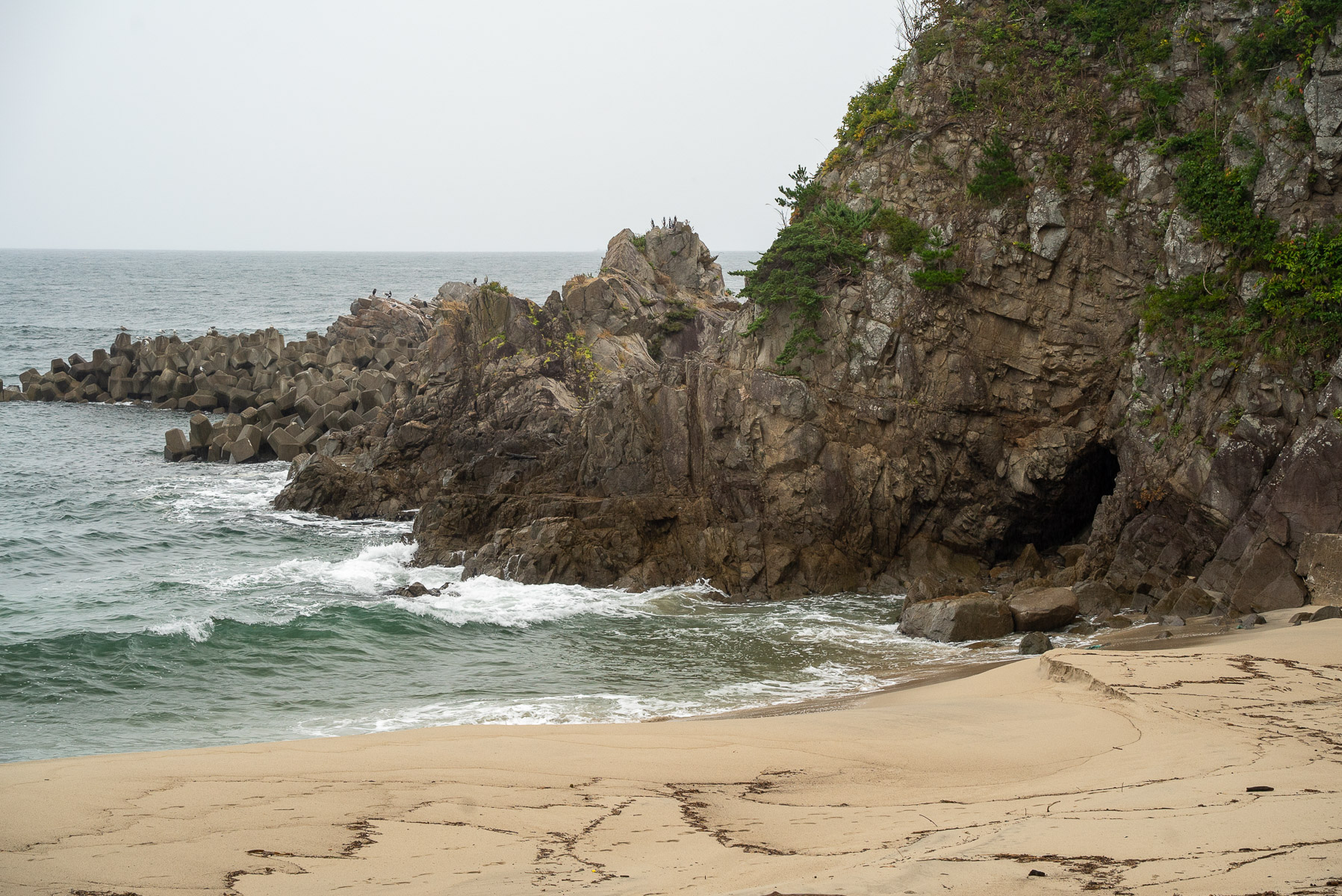
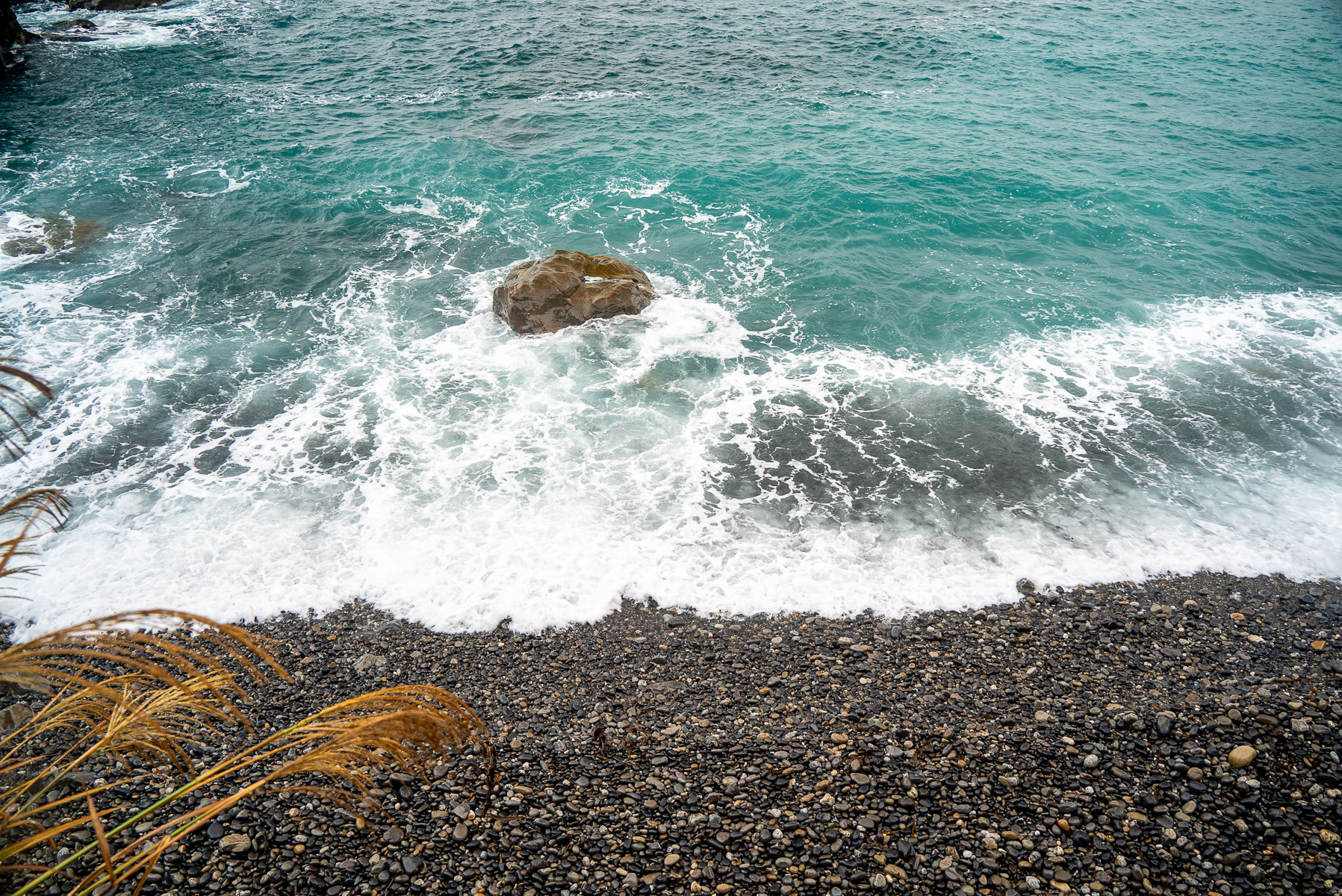
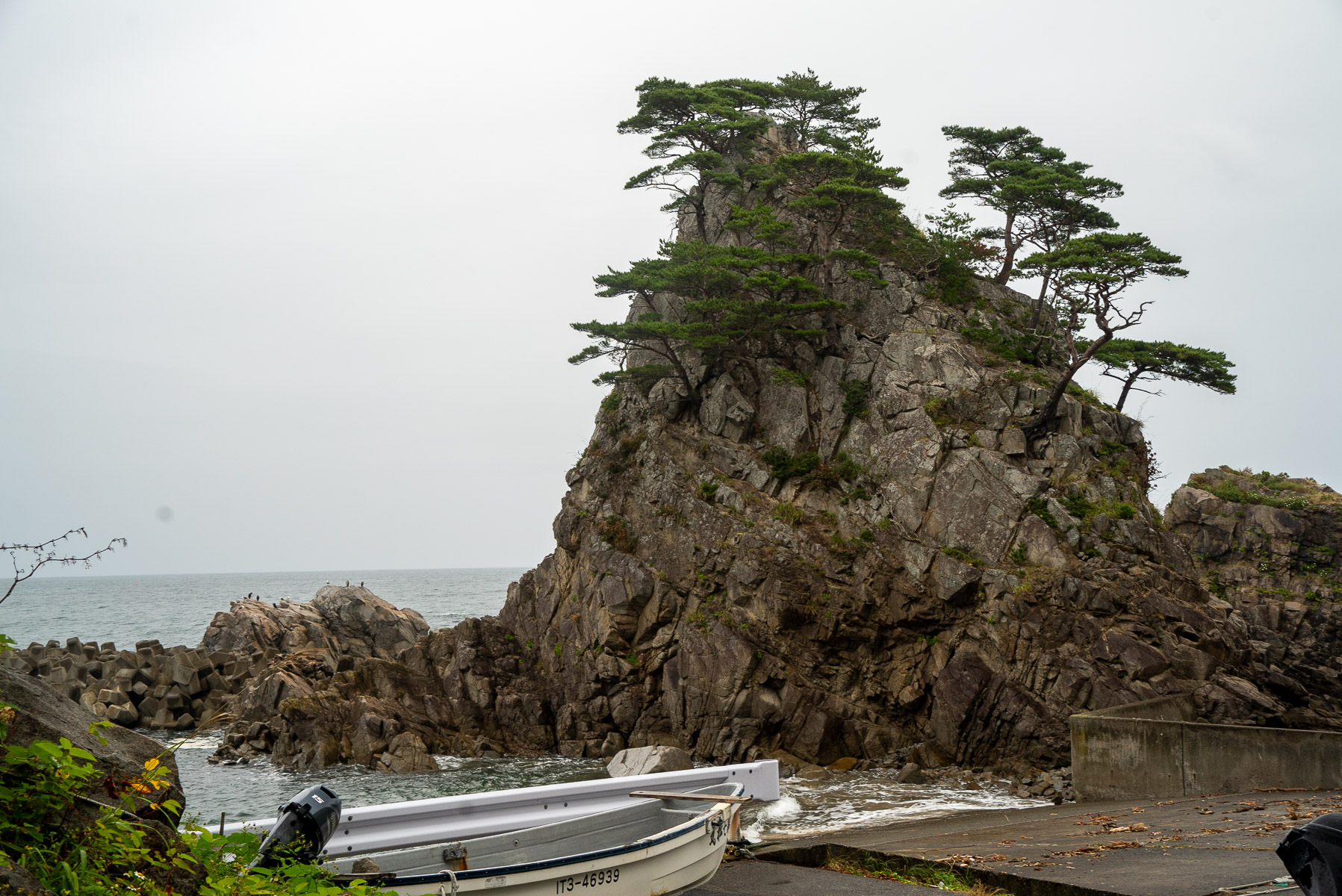
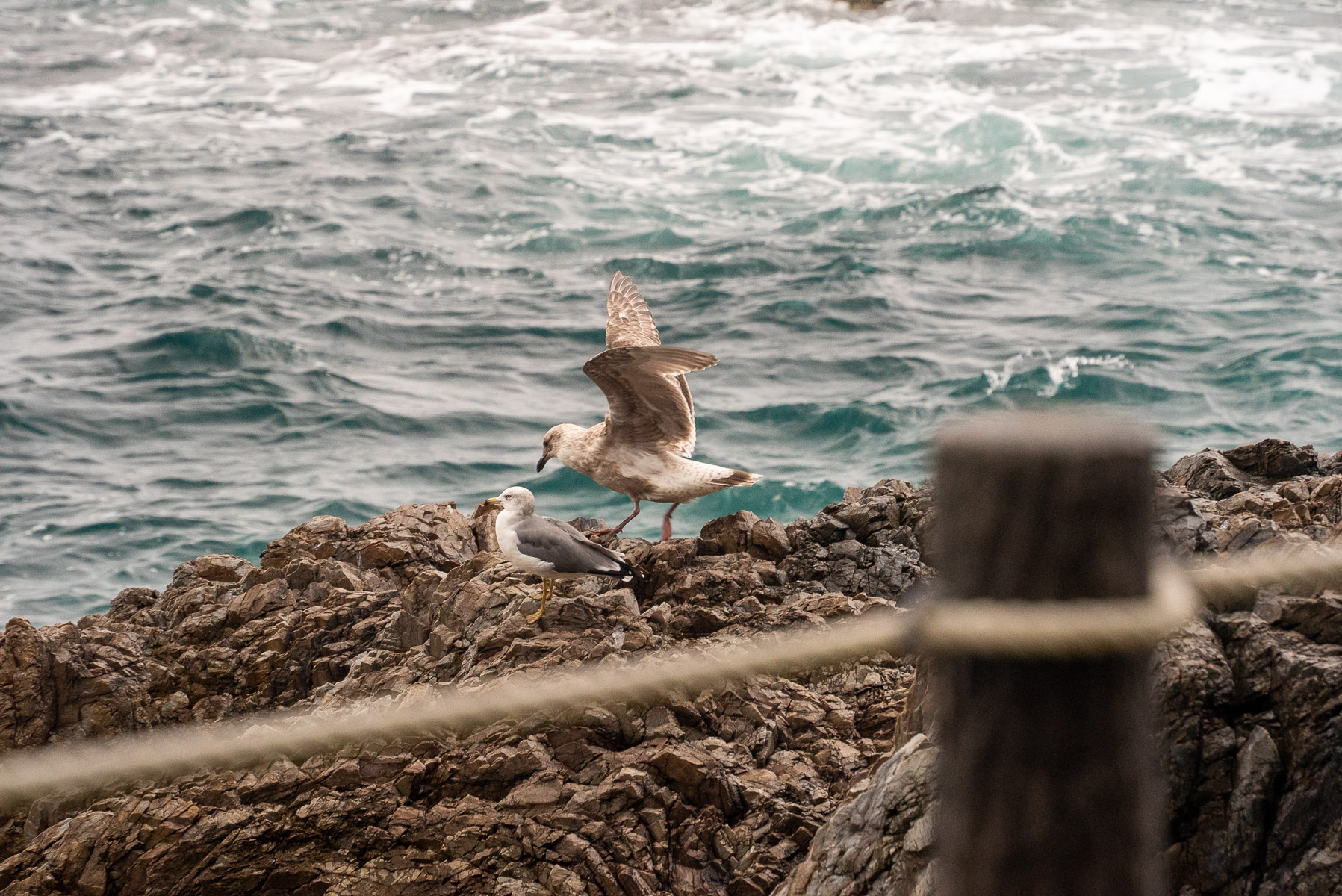
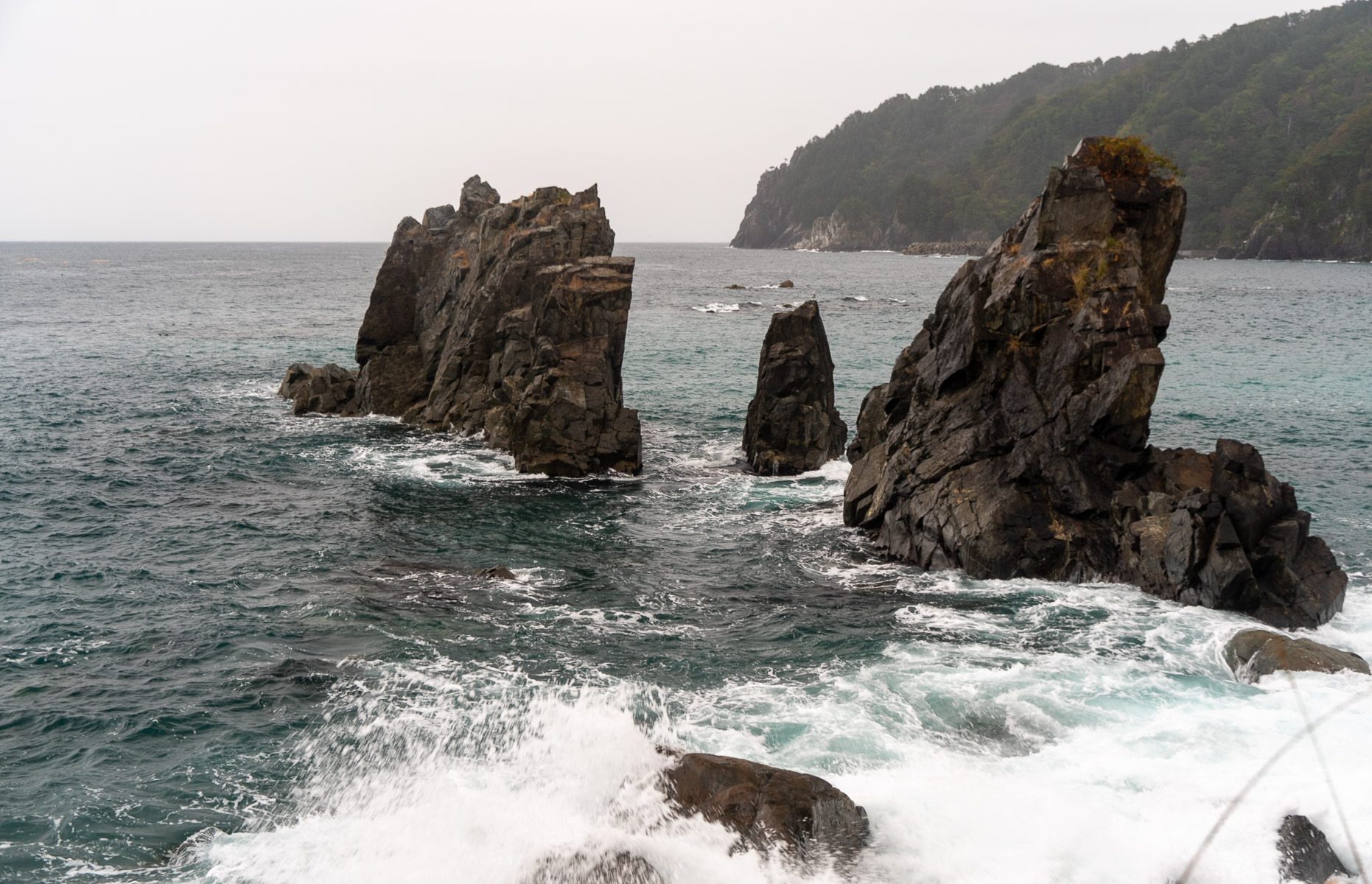
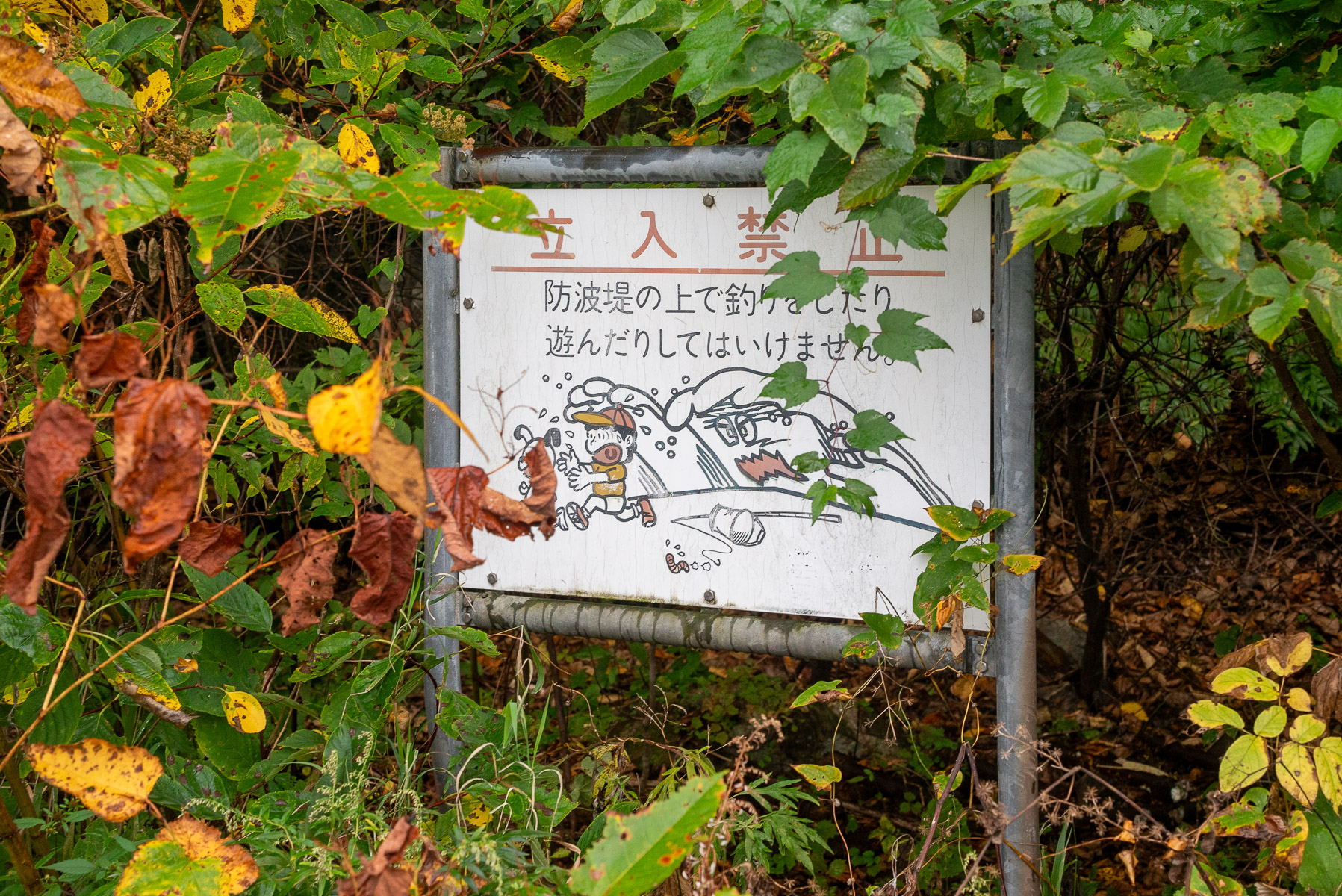

The way to our hotel was relatively easy to hike with few ascends and many beautiful vistas.
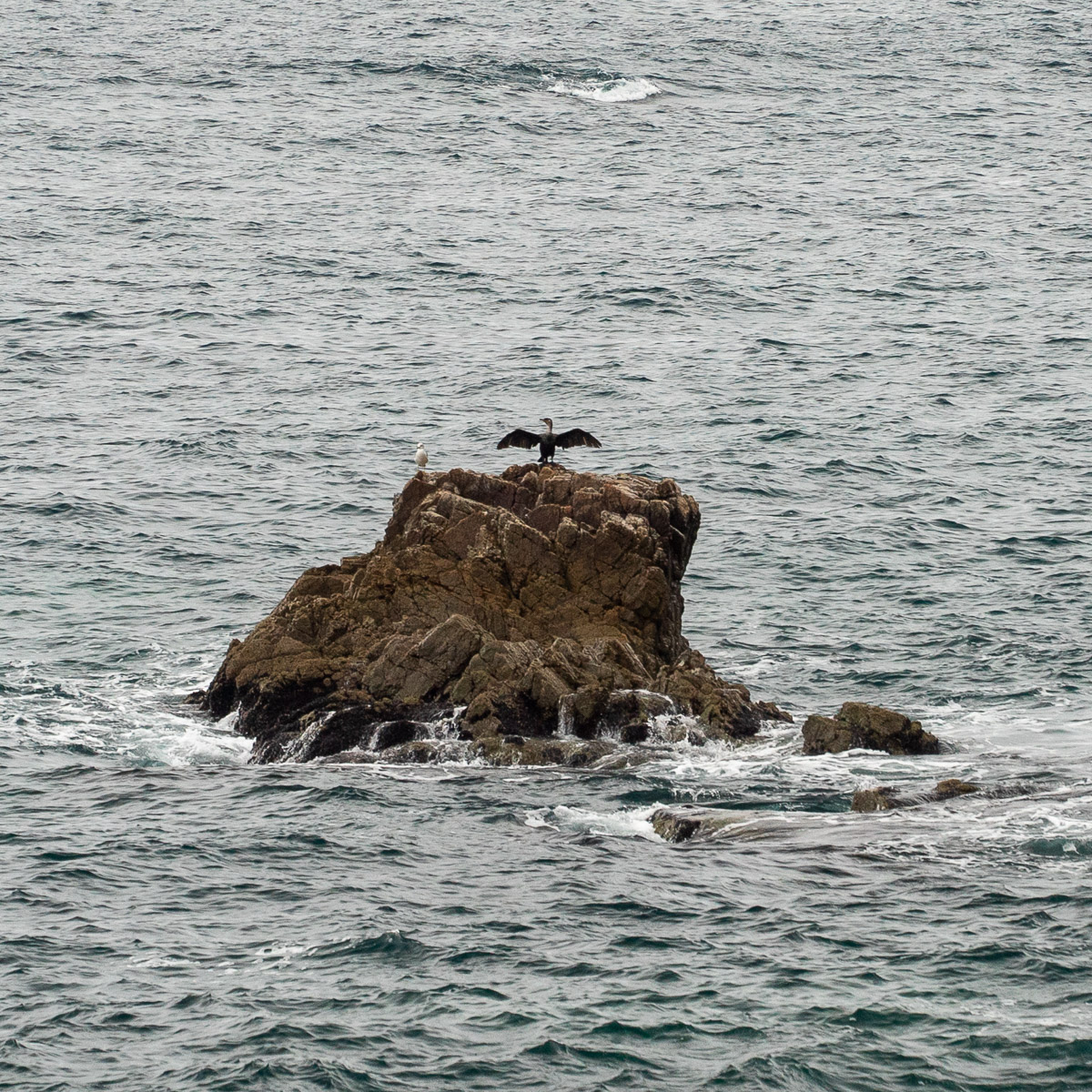
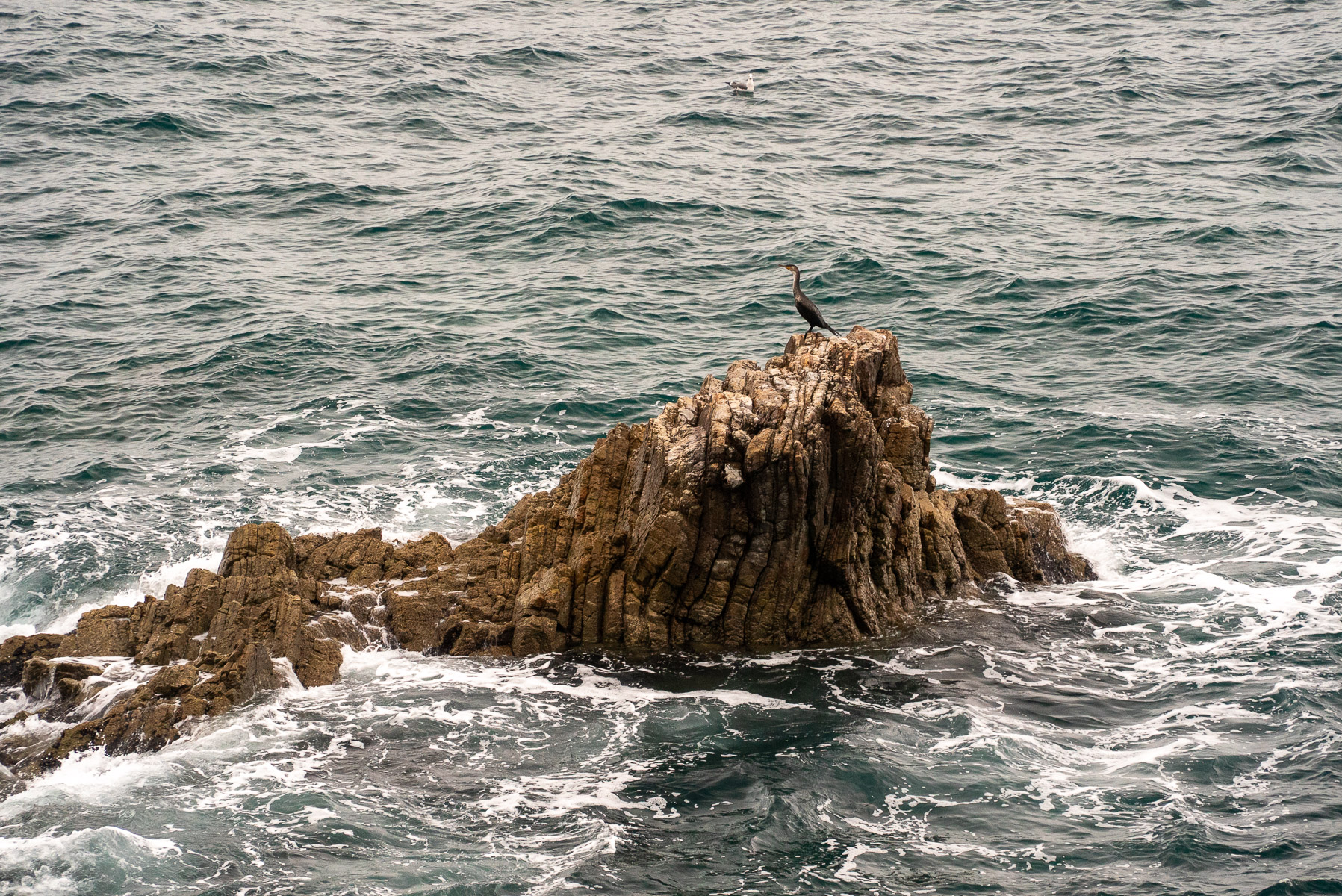
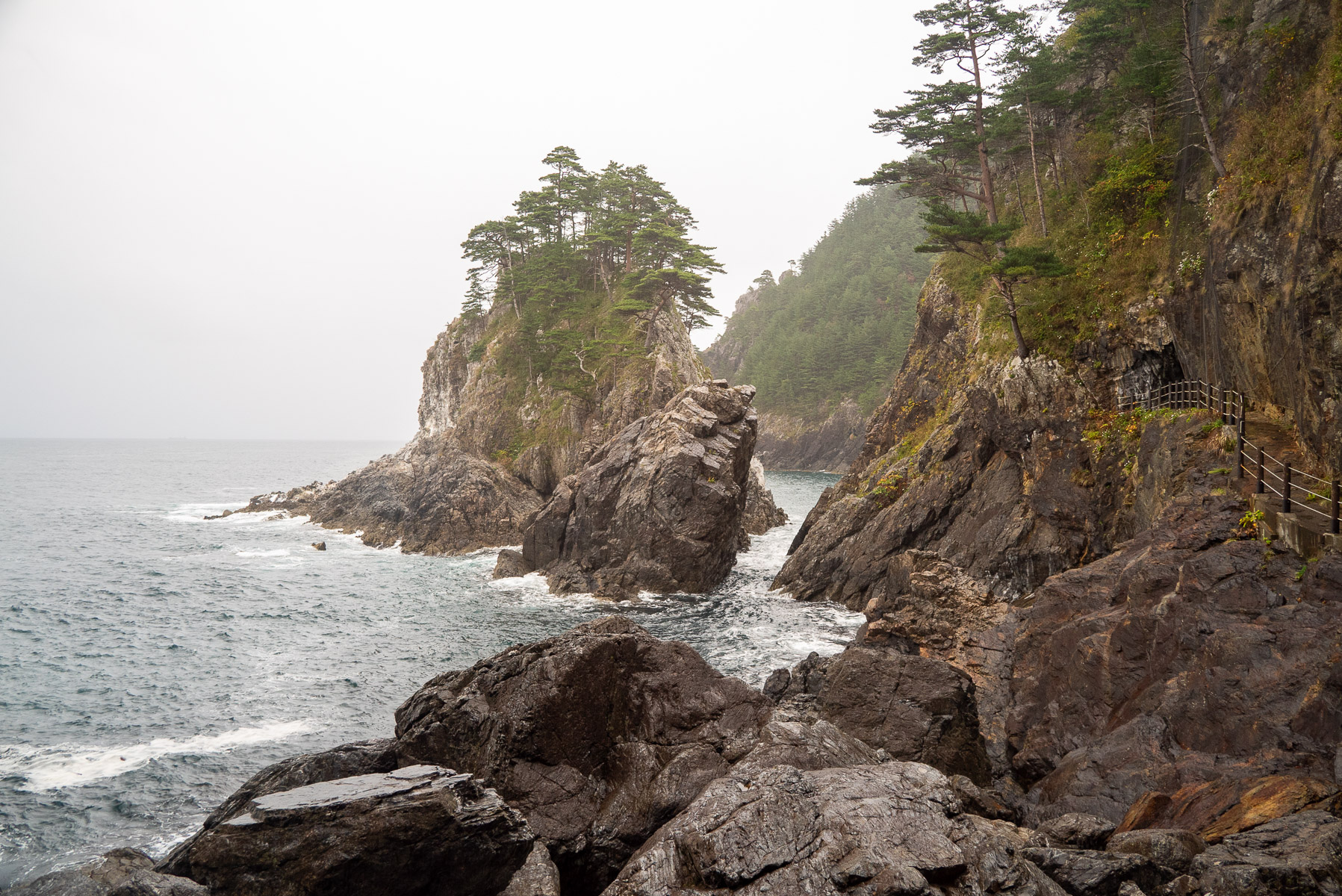
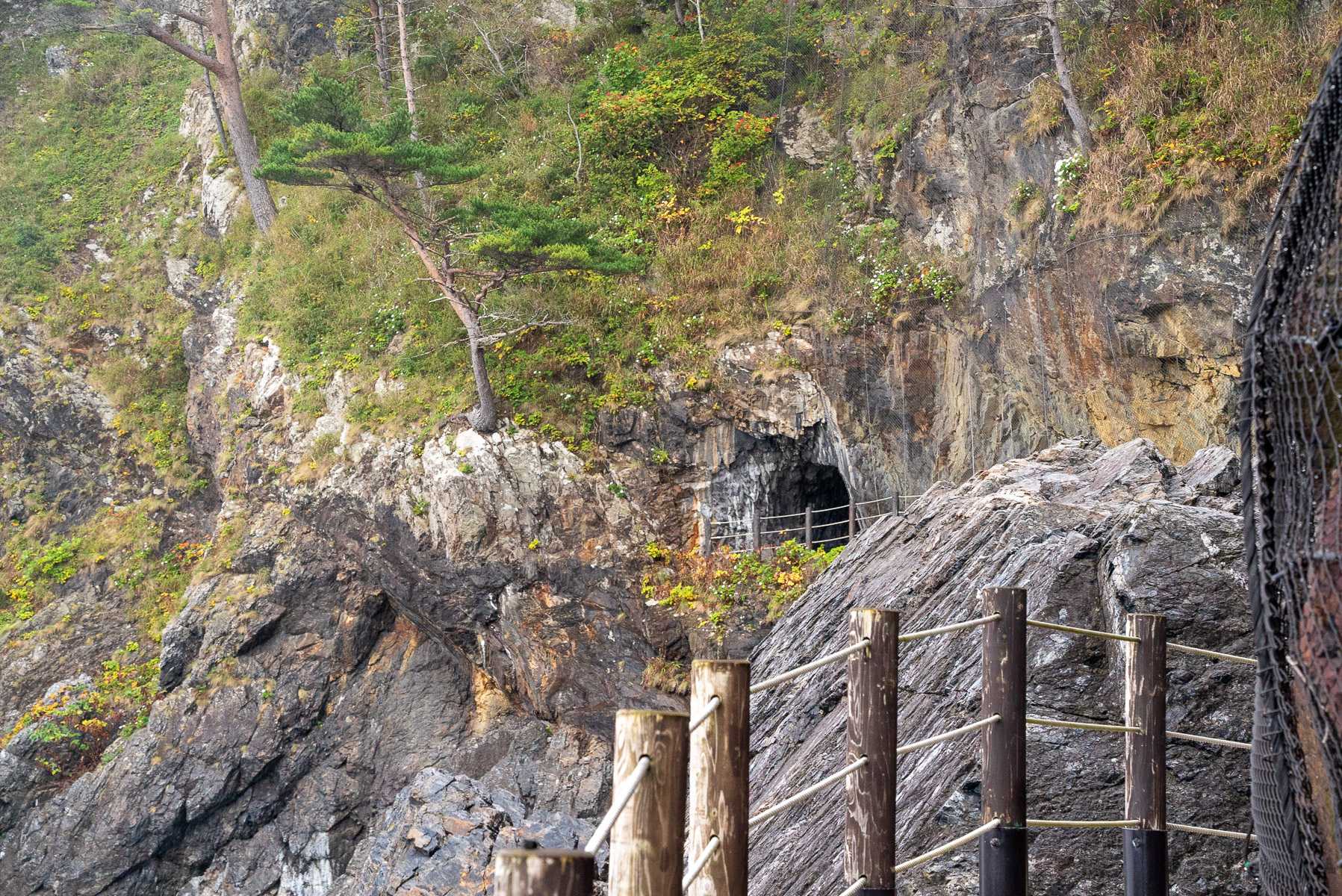
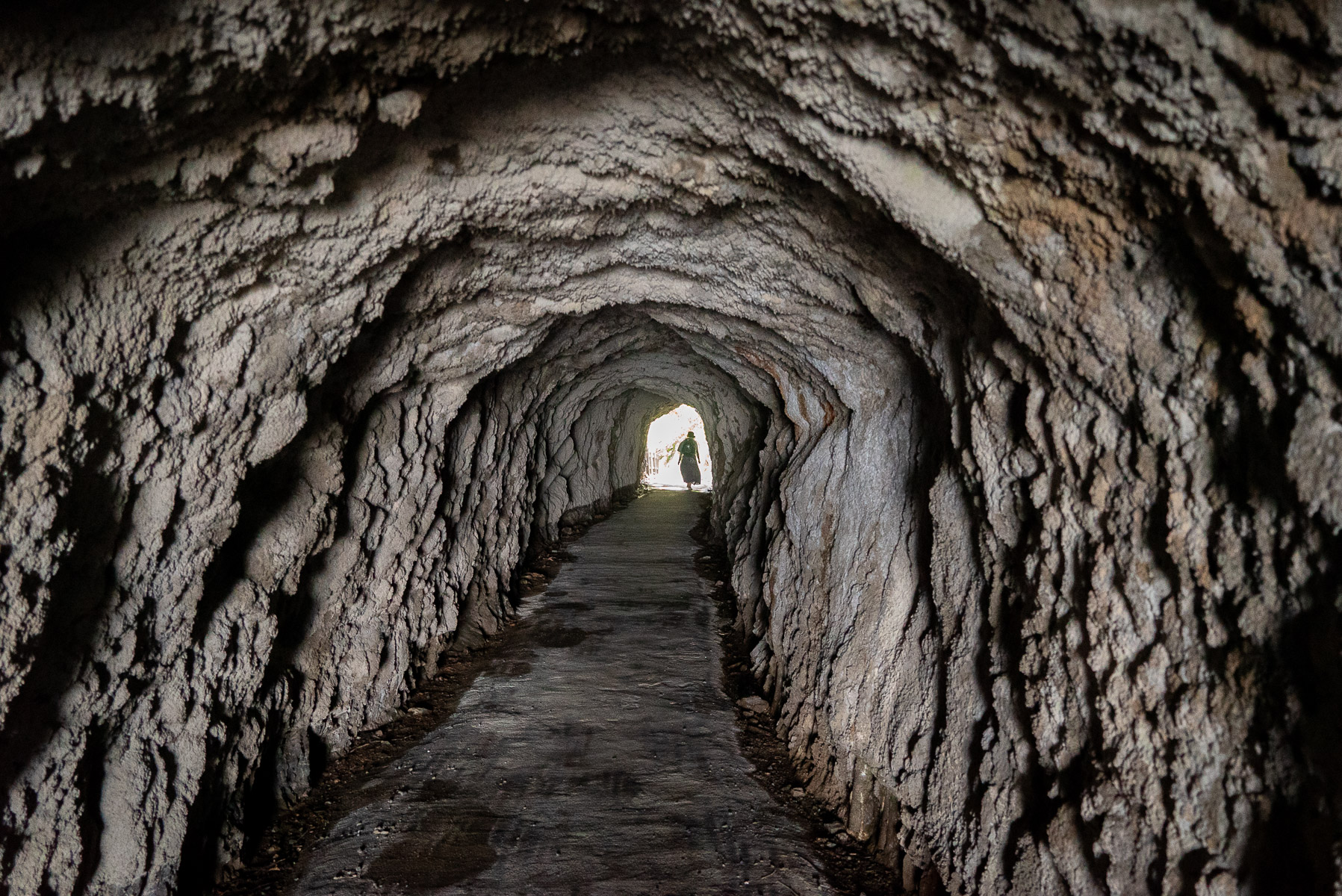

When we arrived at the hotel, we were asked about dinner and breakfast times and we mentioned that we are vegetarian and they told us that this is impractical, because we would have needed to tell them in advance. Which we did in our reservation 2 months prior (in English and Japanese!) and it even said so on the printed out reservation the receptionist had on his desk. After this slight downer, we arranged that we would get something to eat, but since the hotel wasn’t cheap, we were a bit annoyed. If they just say “We don’t serve vegetarian food” that would have been one thing, but to tell us that we would have needed to annouce this sooner felt a bit brazen. However, the food we received in the end was good (and we think for the most part vegetarian – only the soup contained a piece of Kamaboko (fish cake)) and we didn’t go hungry which was our main concern.
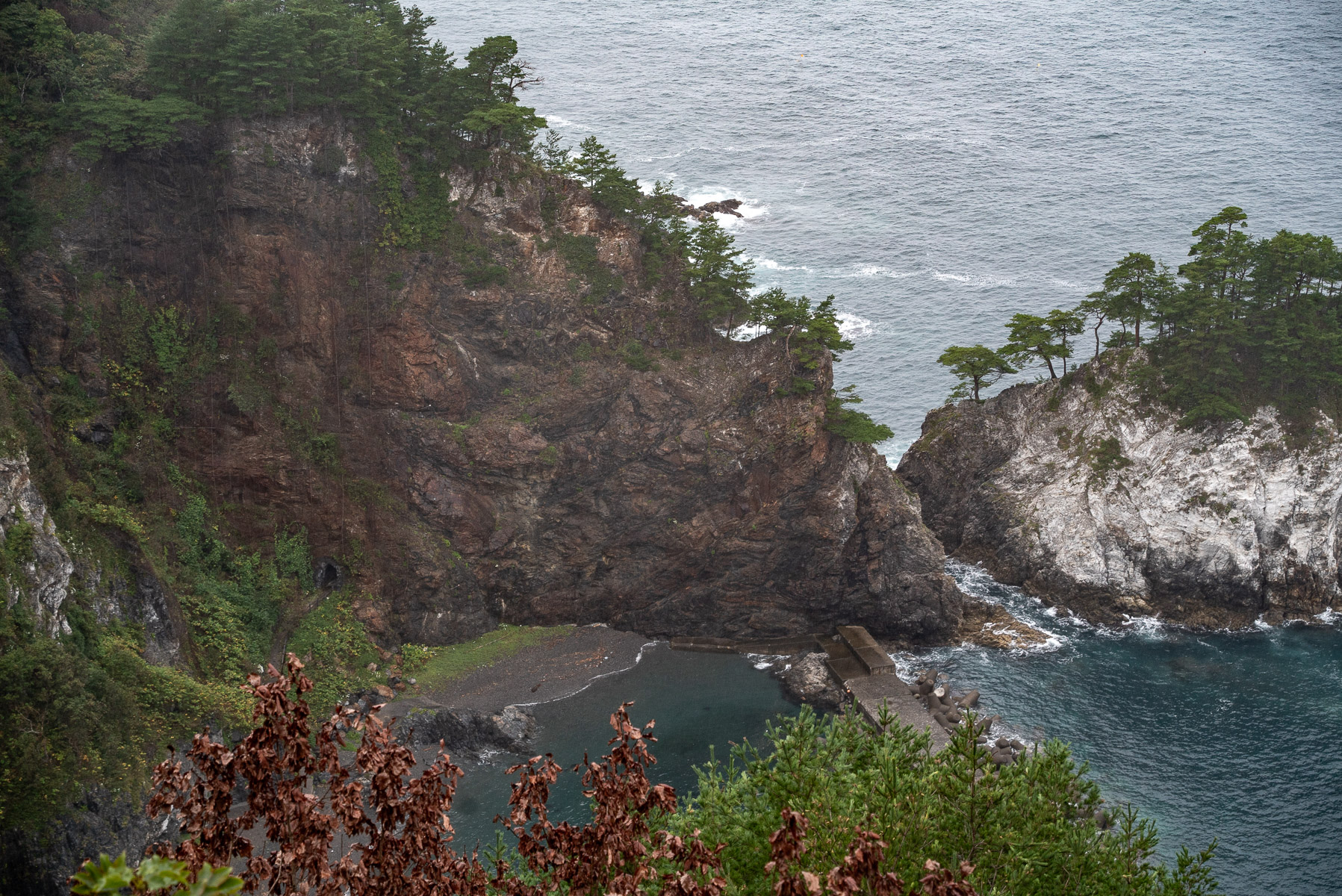
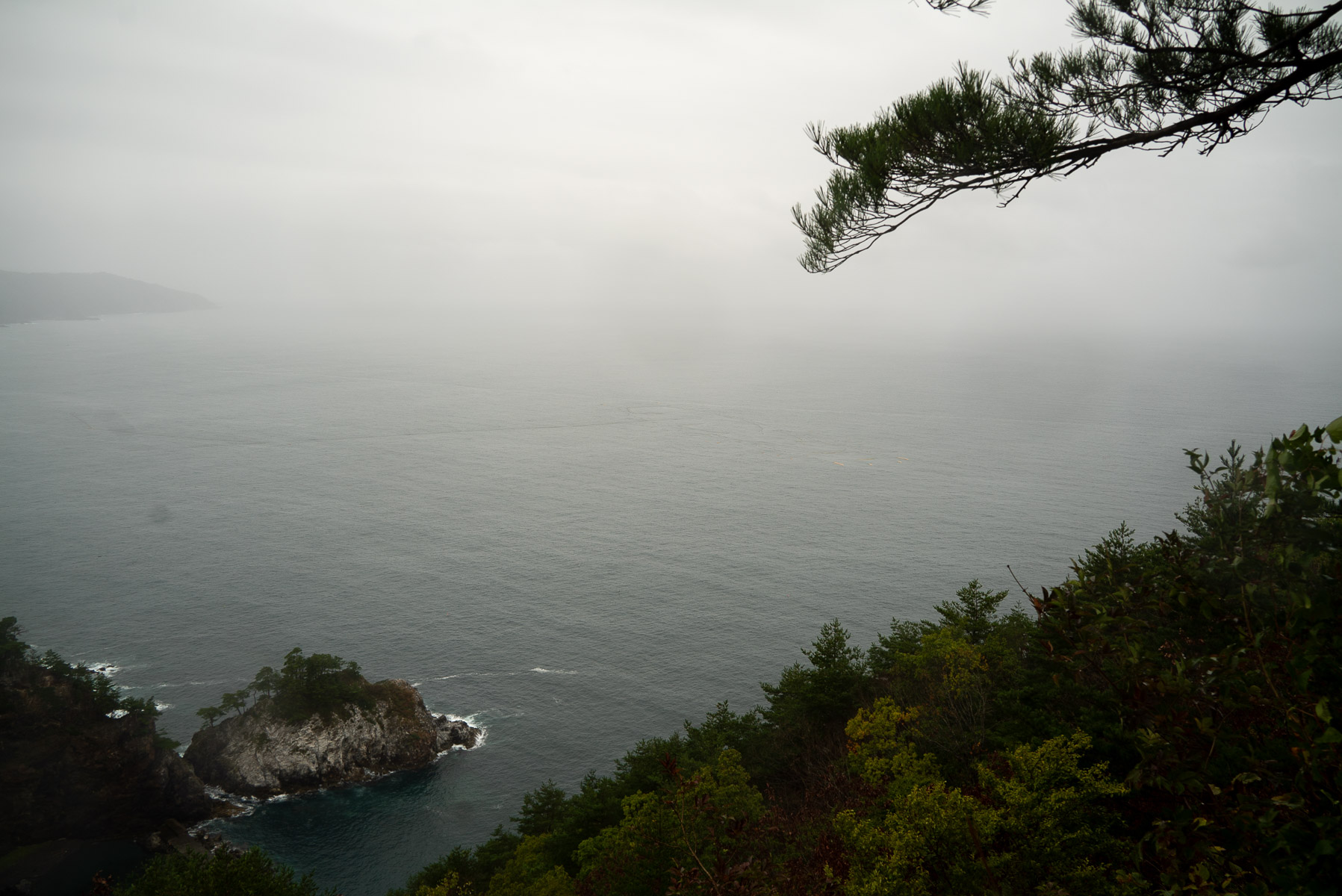
Before dinner we took a bath in the Onsen which was an absolut highlight with its unimpeded view of the Ocean and a small Lighthouse. We were glad that we arrived so early so that we could still see that view before the sun set at 5 pm rendering the ocean view quite unspectacular.
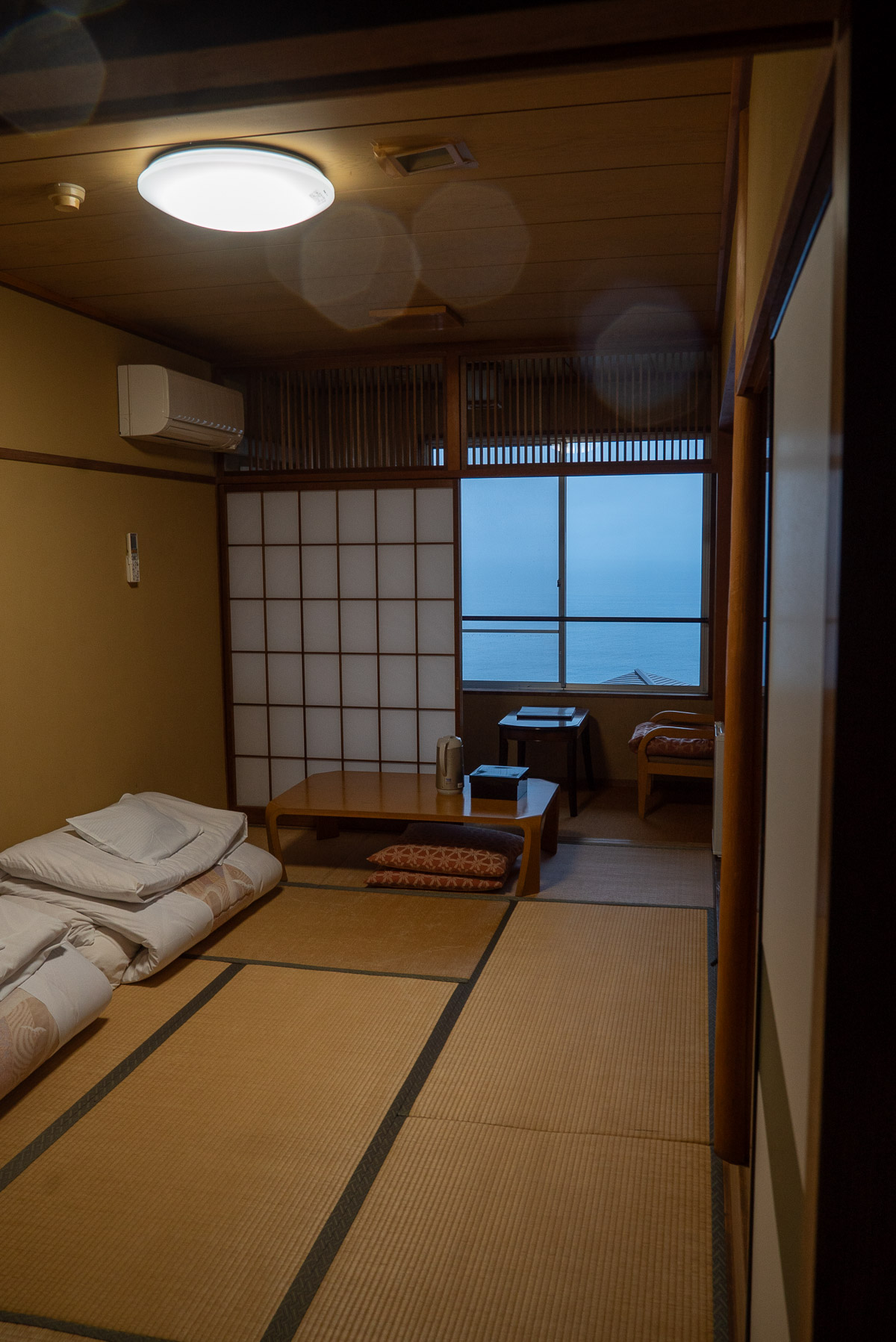
When talking about the breakfast time we asked the receptionist how long it usually takes to walk the Michinoku-Trail from here to Tanohata Station. We asked in Japanese, of course, and explicitly said “Tanohata Eki” (meaning Station). He replied that it takes between 4 and 6 hours. Charlie had planned much more time for that trip and we spontaneously decided to start our hike 1,5 hours later, as the tour appeared to be so much shorter than initially anticipated…
Leave a Reply