


We purposefully didn’t plan anything for our second day in Utoro, because we really wanted to see the 5 lakes and could not be sure that on the day we went there, everything would turn out the way we wanted it: Maybe we would miss the bus and wouldn’t be able to meet the tour group in time, or the weather could be so bad that we couldn’t see form all the rain, or the park could be closed off due to bear sightings. But all of that didn’t happen and so we had our “safety day” cleared for other things. When we told Makoto about that, he suggested that he could also do an primeval forest tour with us and we gladly agree to meet him again the next day!
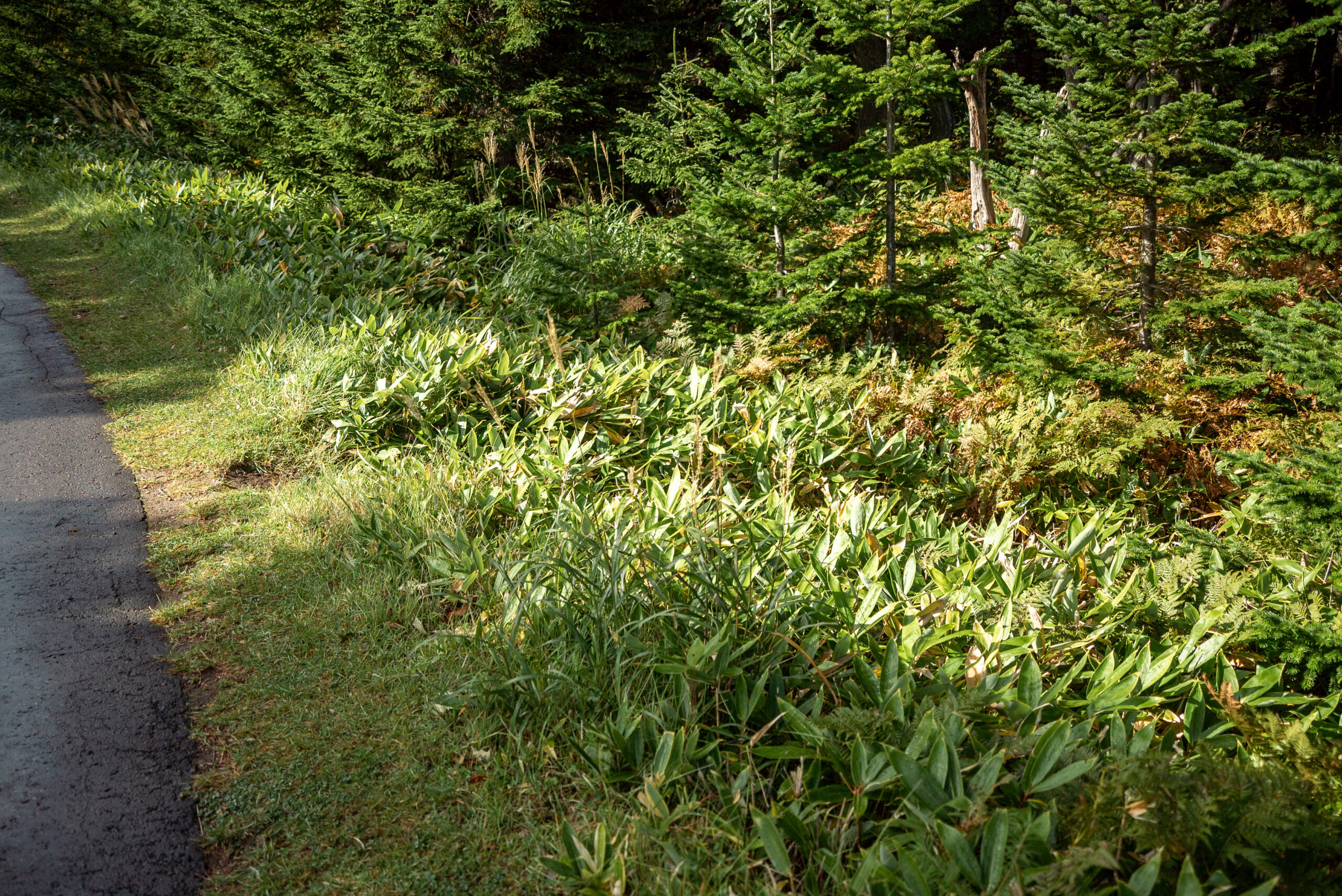
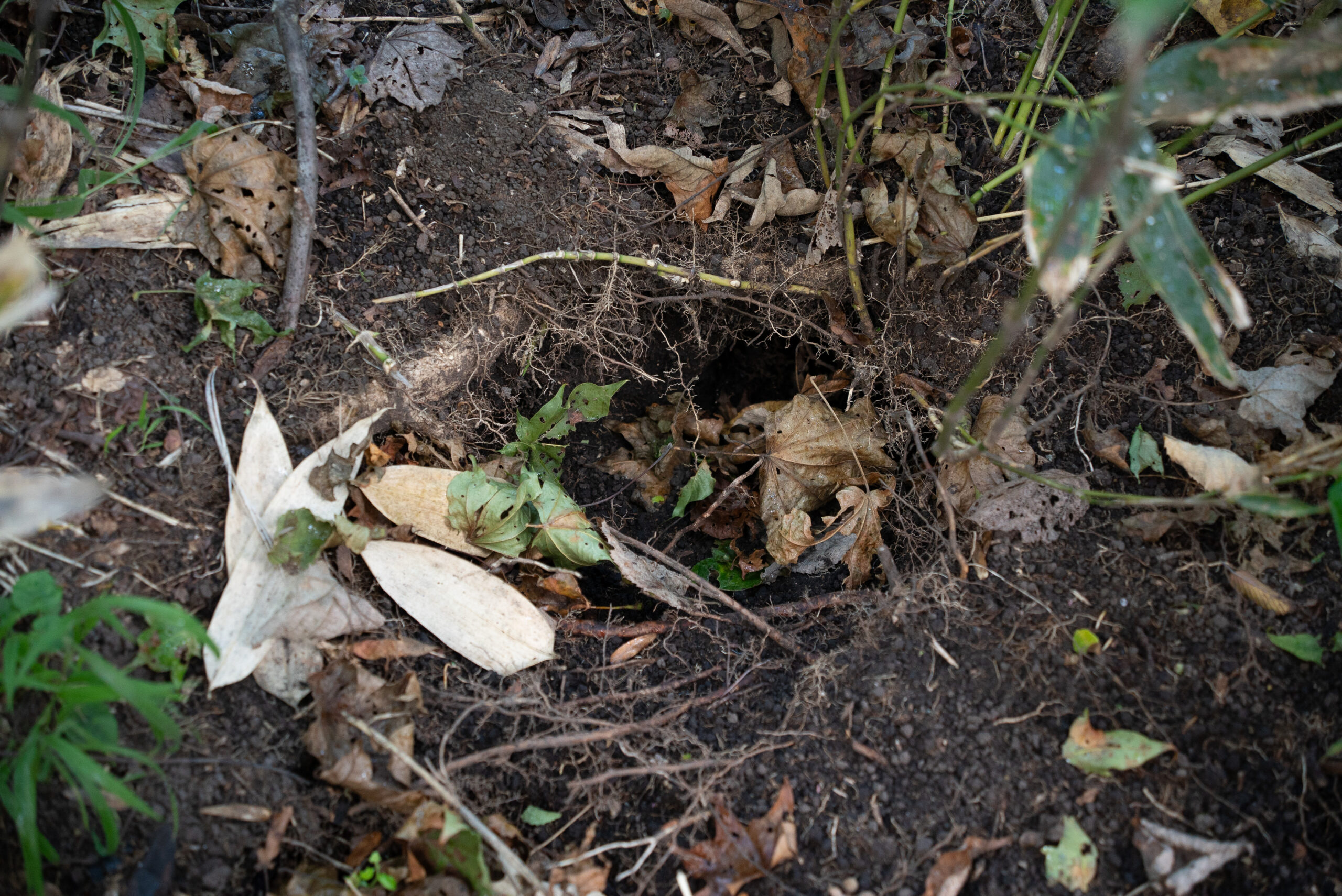
The weather was quite changable and windy, however. In Japanese you apparently say “Kitsune no yome iri”, which means something along the lines of “the fox is getting married” – and describes weather that is sunny and rainy at the same time. Due to the weather a lot of animals had reatreated into comfortable cover (or maybe to the wedding party), which is why we only saw a couple of insects and birds. But again there were traces of other wildlife: Here, a bear had dug up a wasps’ nest. Brown bears apparently like to eat their brood and are no unimaginably not bothered by getting stung on their noses.
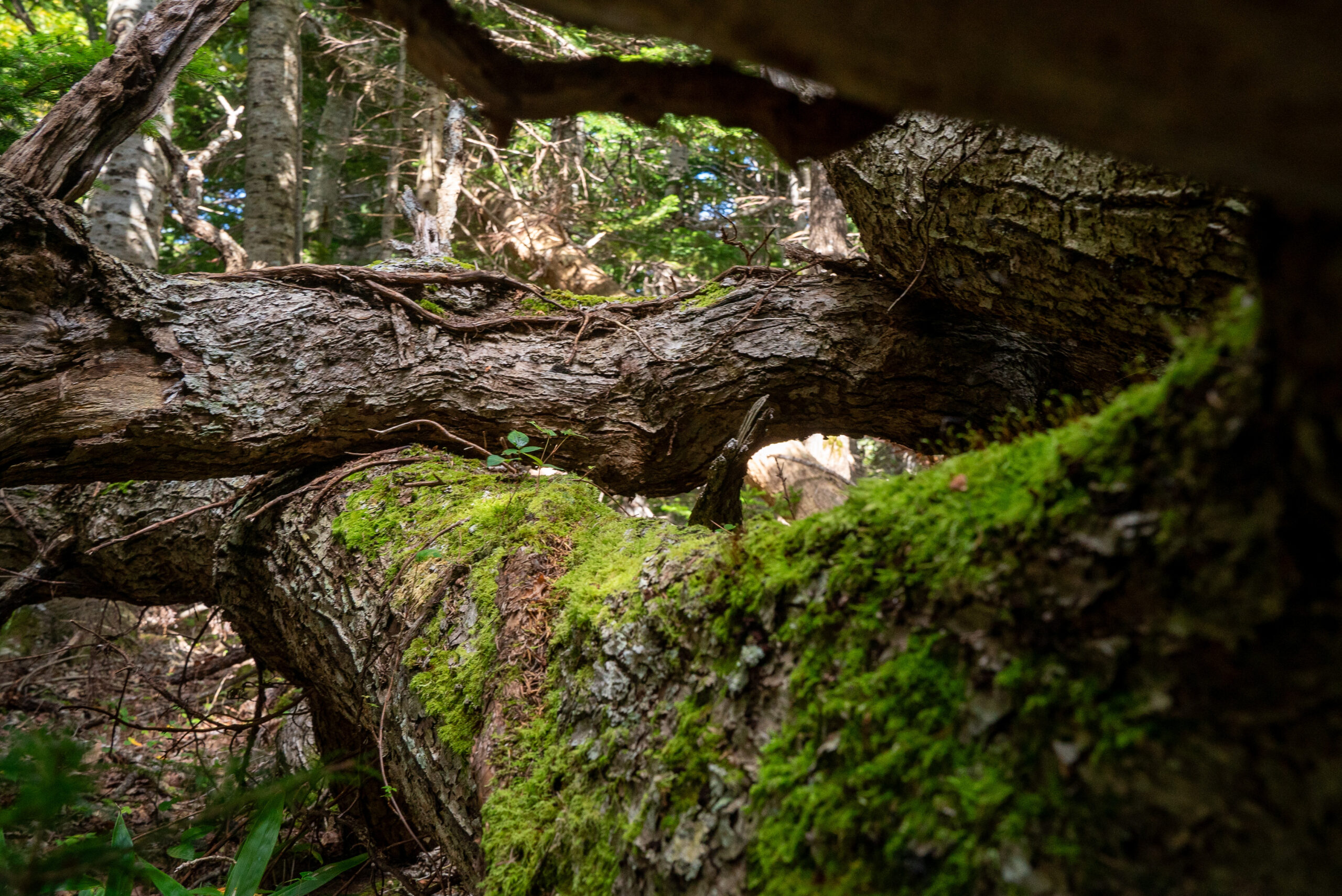
Here is the border between the secondary forest that has naturally regrown after Japanese settlers cleared the forest for potatoe fields, and the proper untouched forest that has never been cleared.
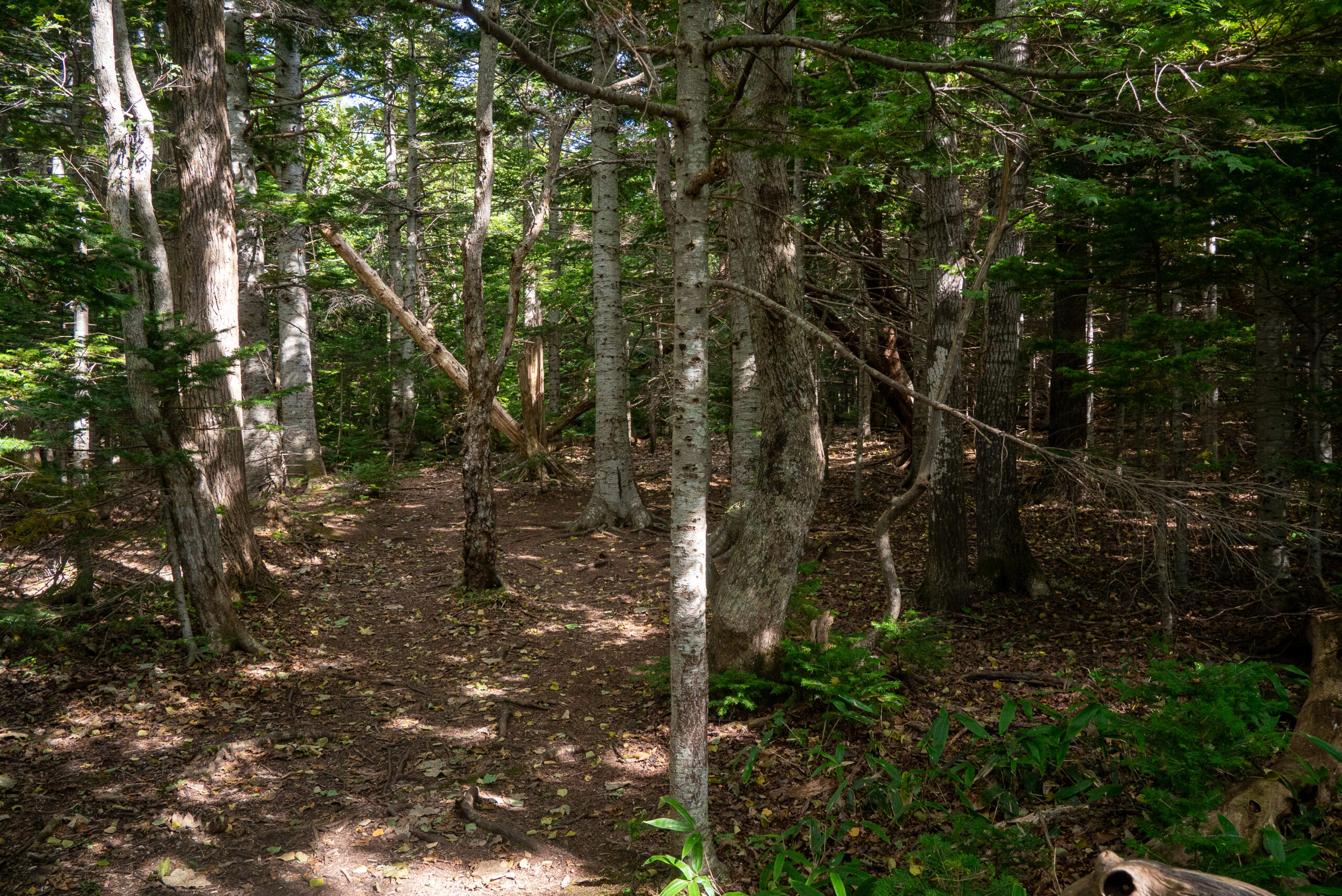
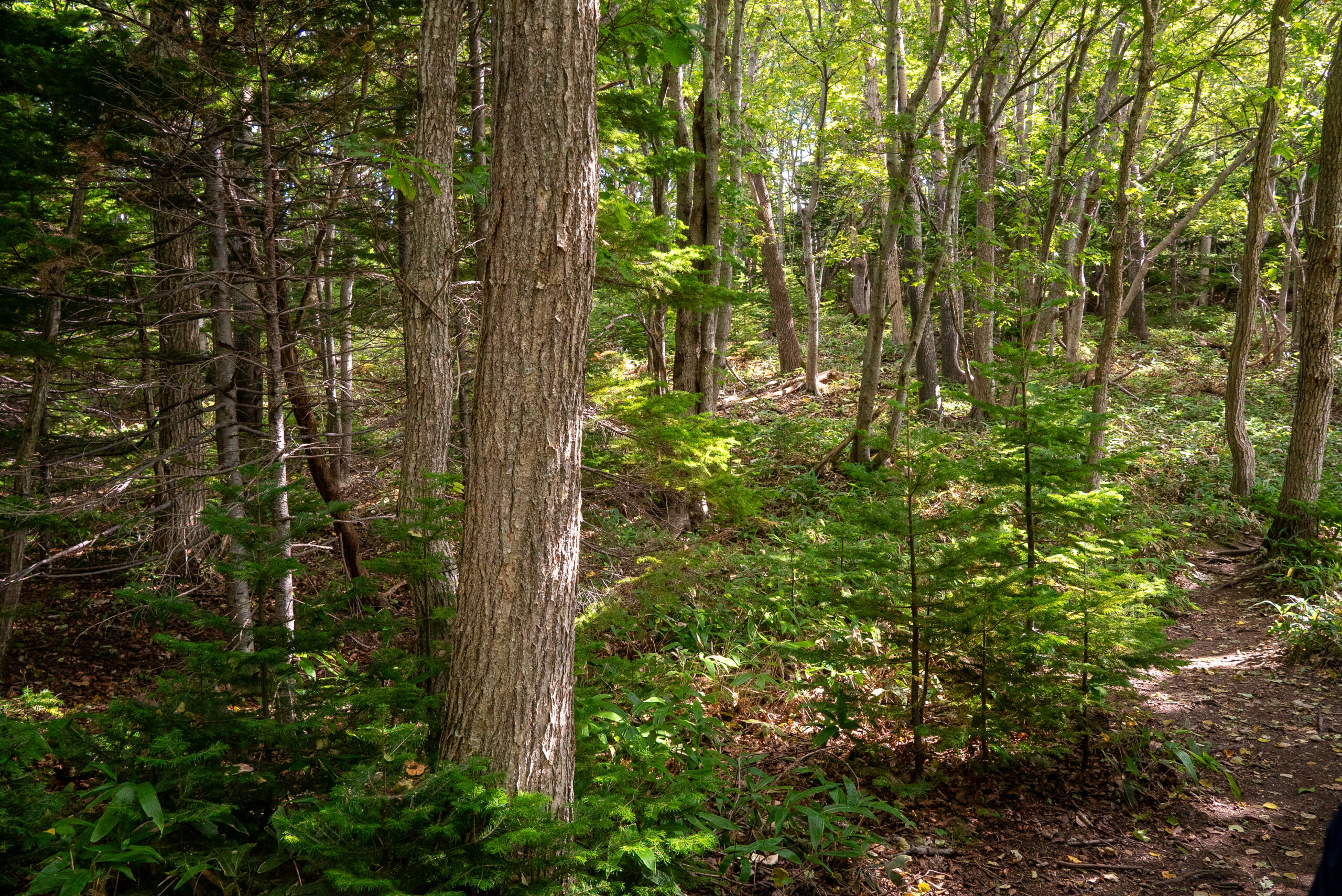
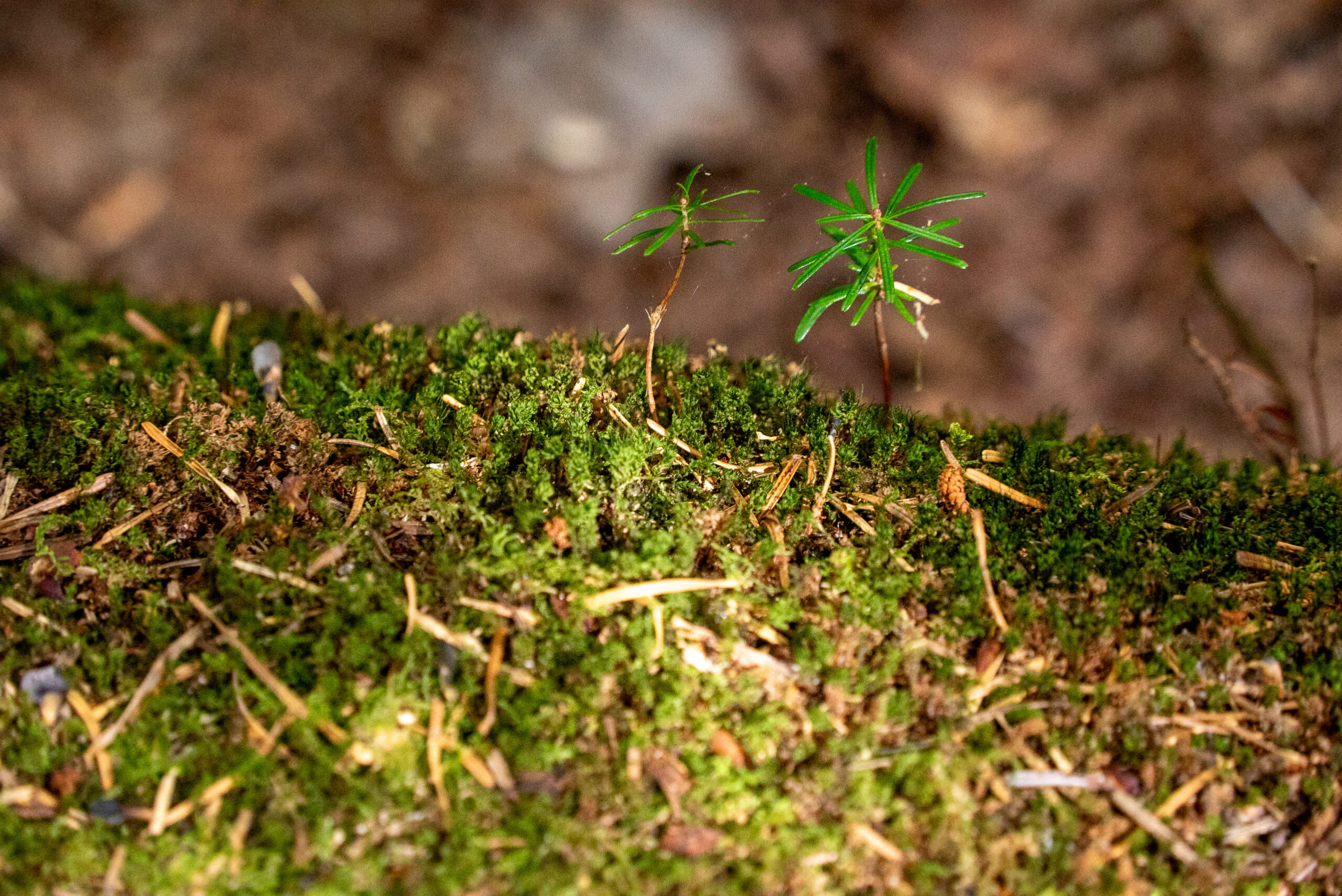
In the latter, there are mostly Sakhalin firs that are retreating more and more due to the growing temperatures. Here in the north of Hokkaido they still grow and they do so expecially well even without sunlight. When the canopy closes and the forest floor becomes uninhabitable to other plants, these small firs prosper and thrive until they themselves shadow the forest floor.
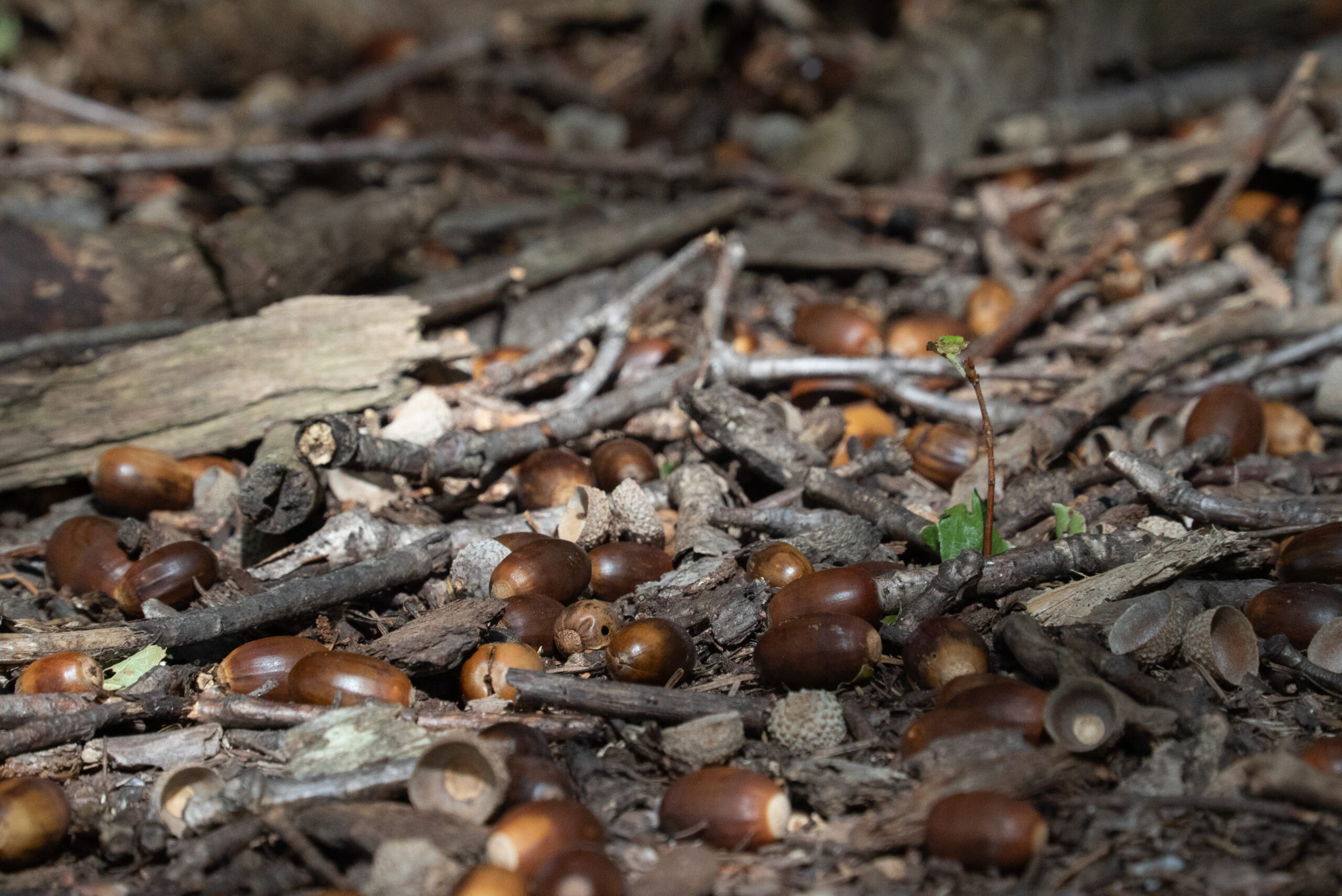
There are also many oaks that produce especially many acorns this year, so that in some parts these acrons almost completely blanketed the ground. One or two of these surely have the chance to compete with the firs.

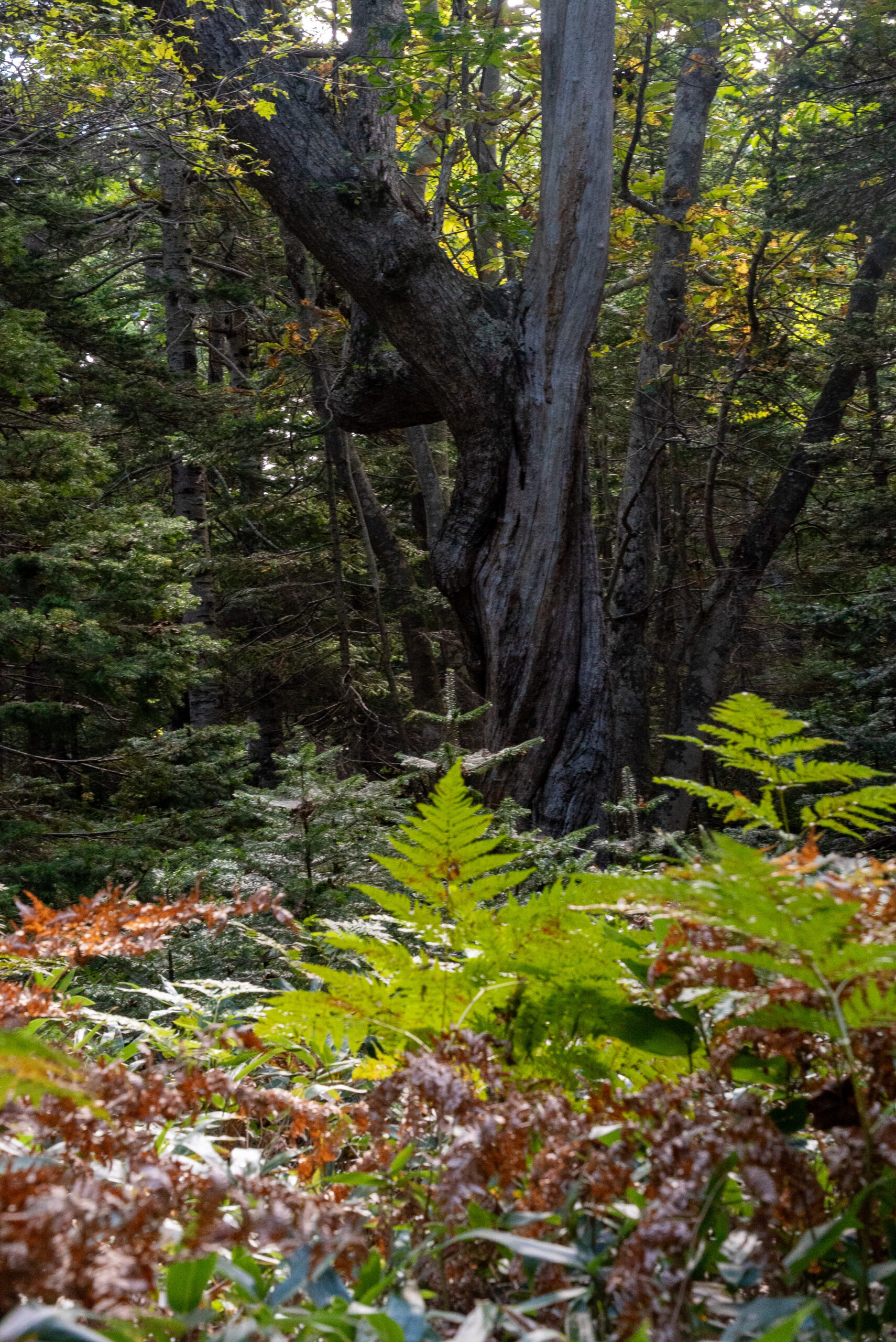


Here the wind has cut out a clearing. Since in this part every year strong winds blow from the mountains towards the sea and back again (depending on the time of year) the higher forest trees cannot establish themselves in the shallow soil and so the area belongs to the smaller shrubs and grases.
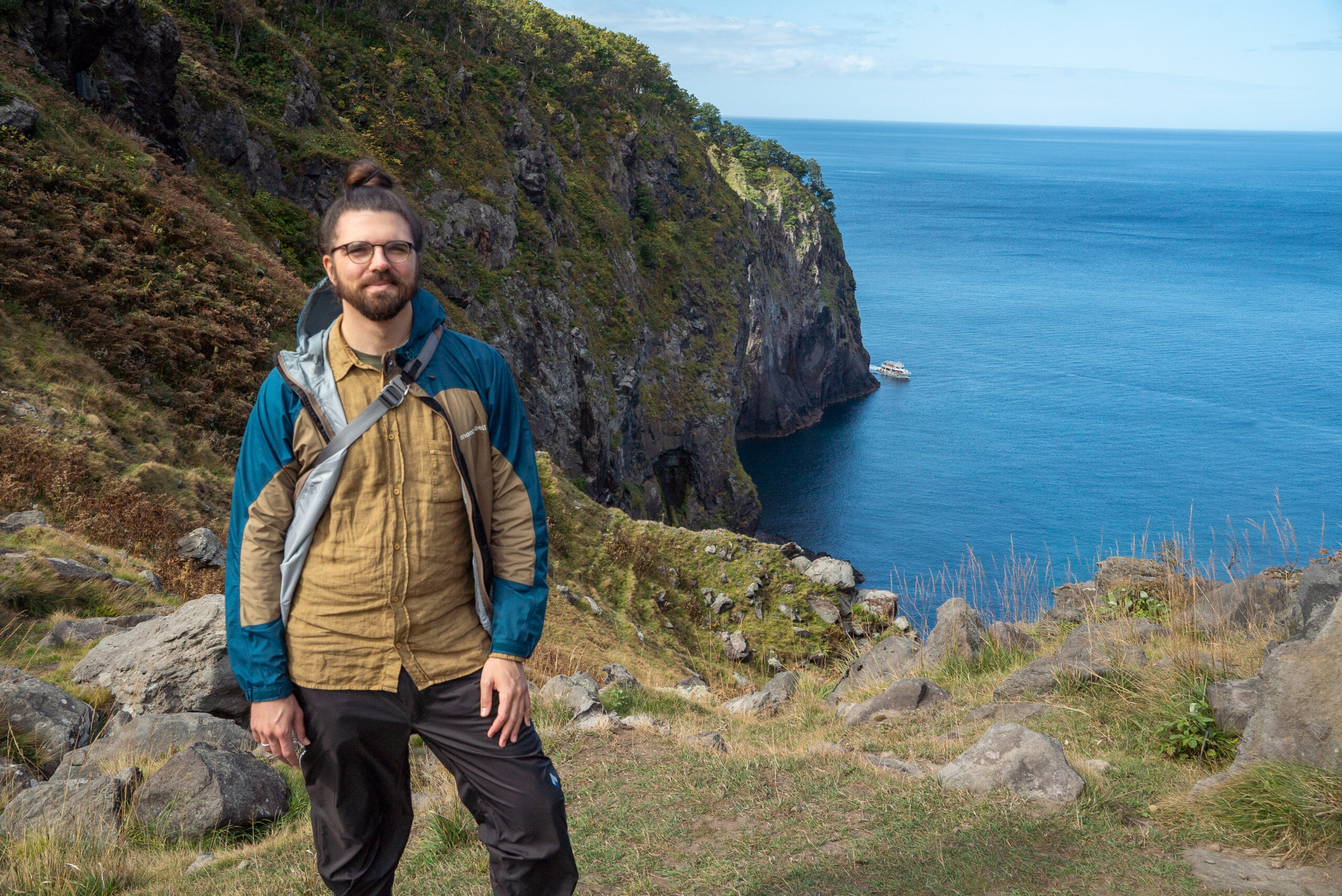
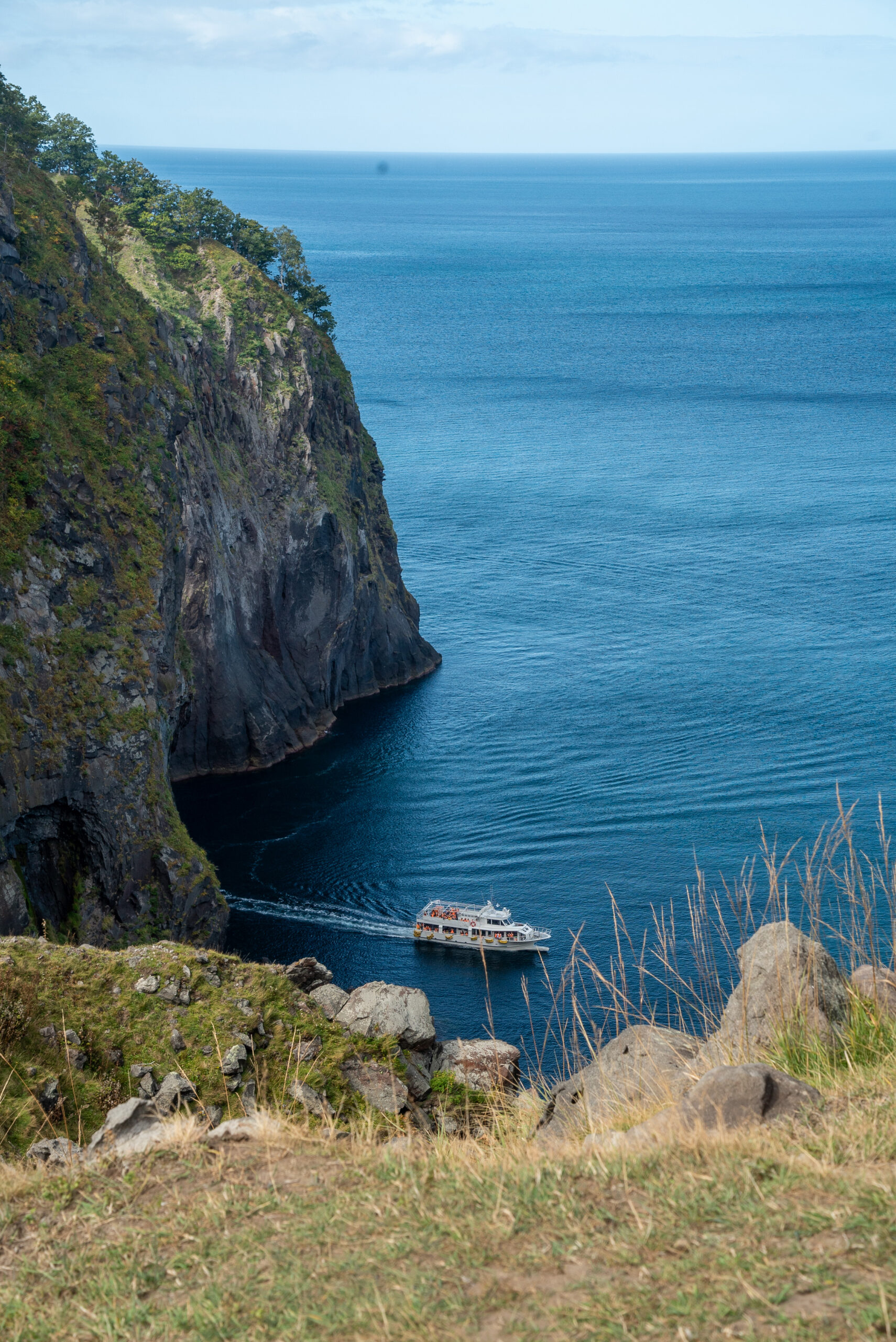
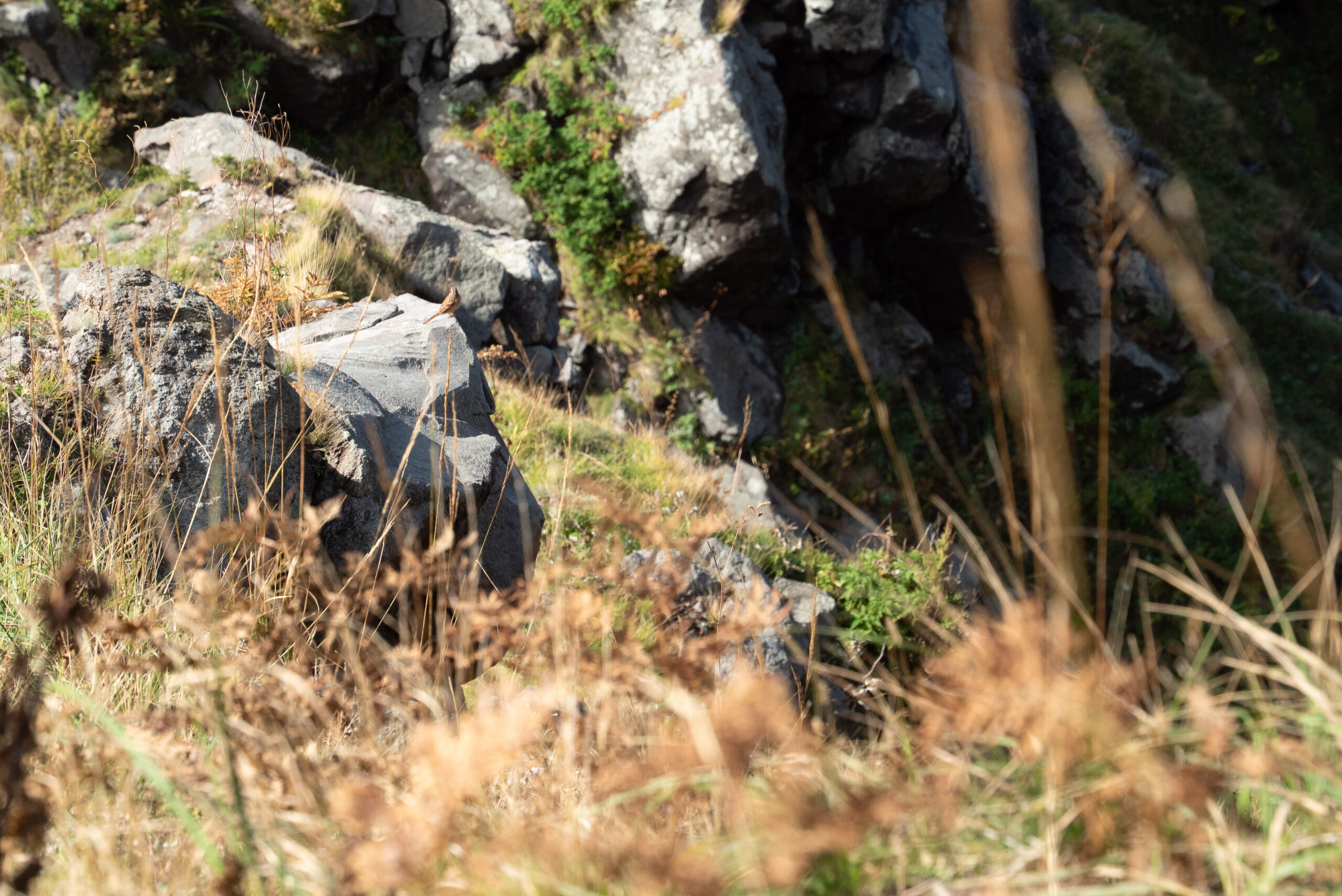
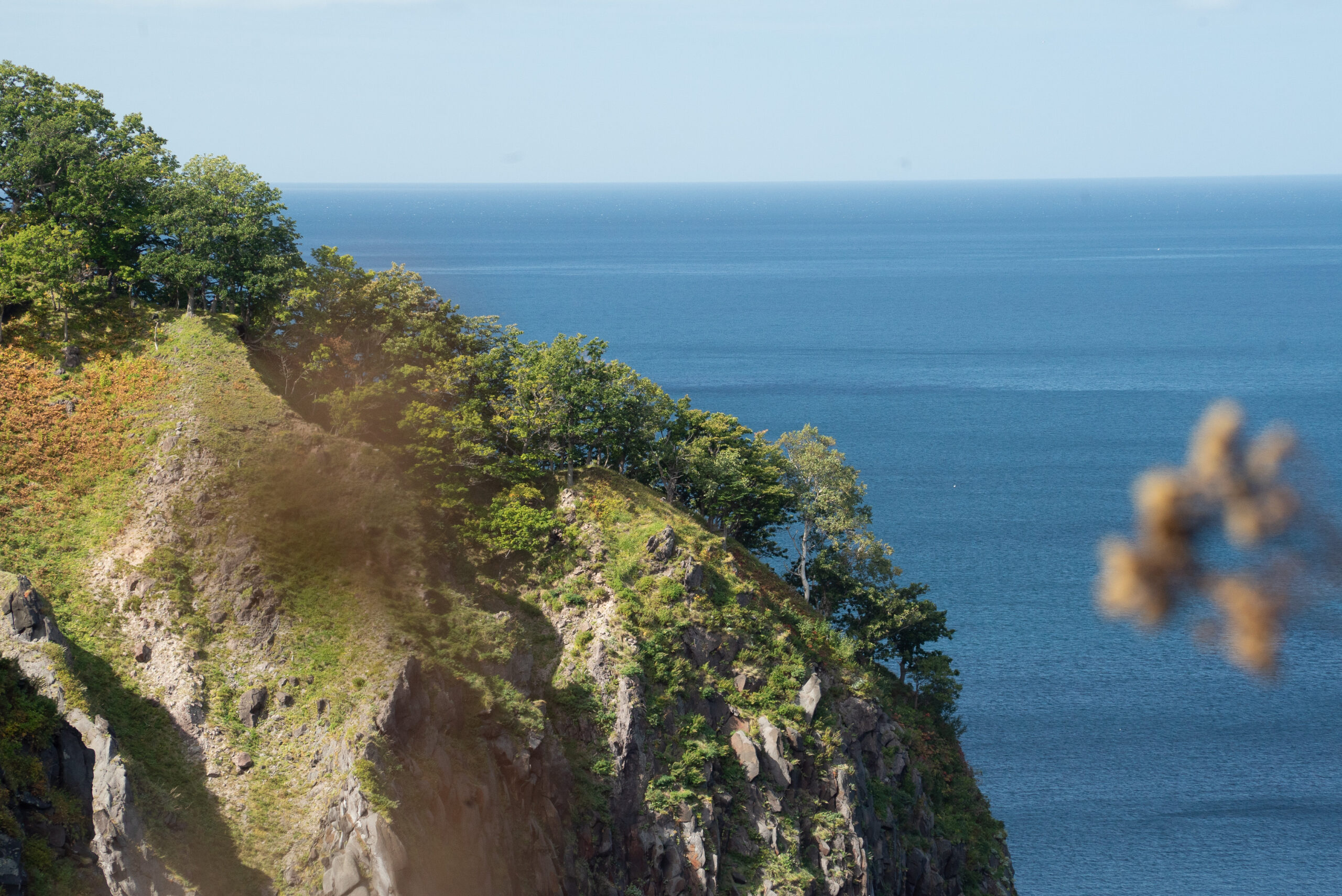
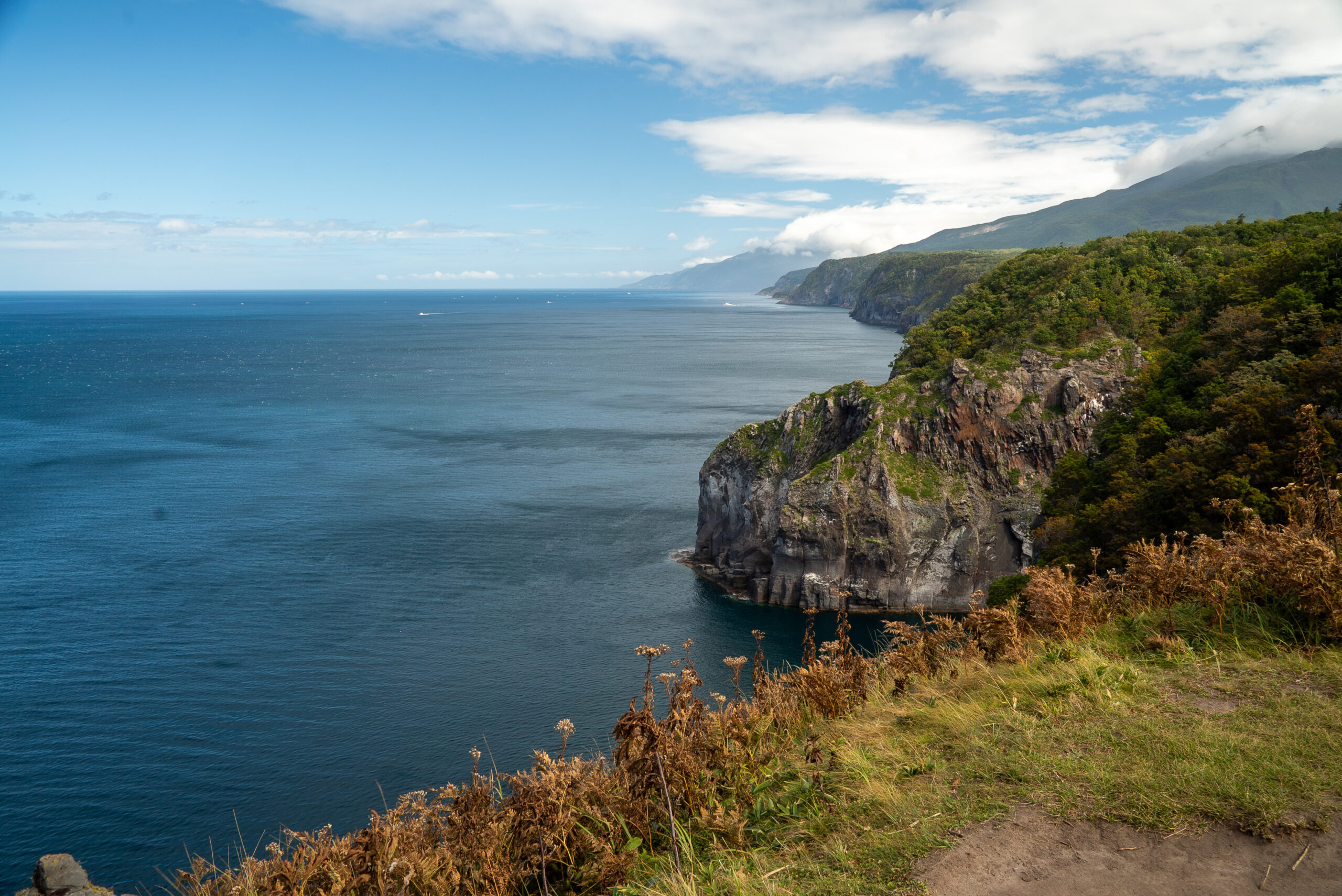
On these sceninc cliffs you can notice a characteristic of this area: The rockface looks almost carved out in parts! These erosions are caused by the drift ice that rubs against the cliff in winter. Of course, that’s a long process and some parts of the cliff must have broken off into the sea, they will only become hollowed out by the ice again after many centuries.
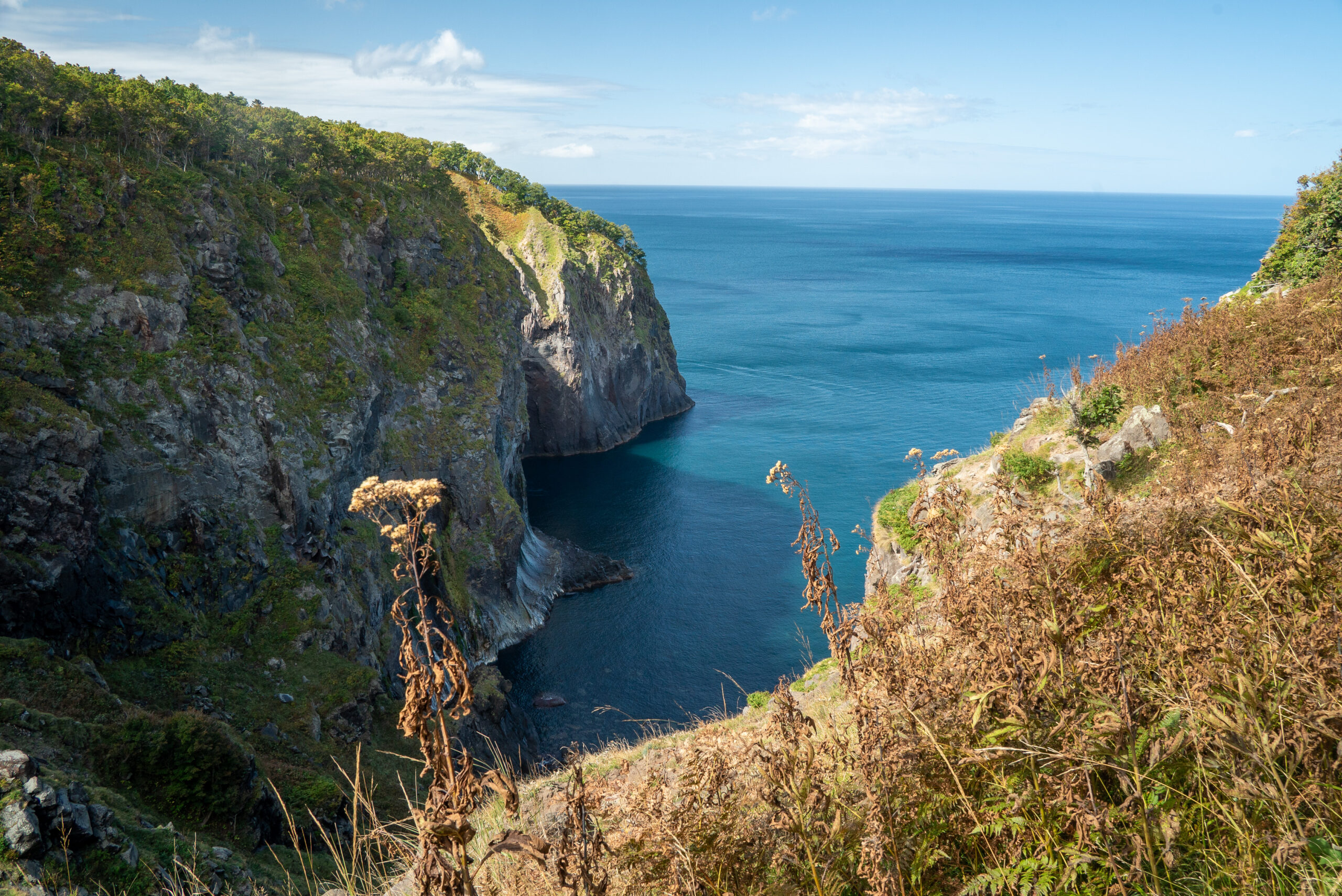
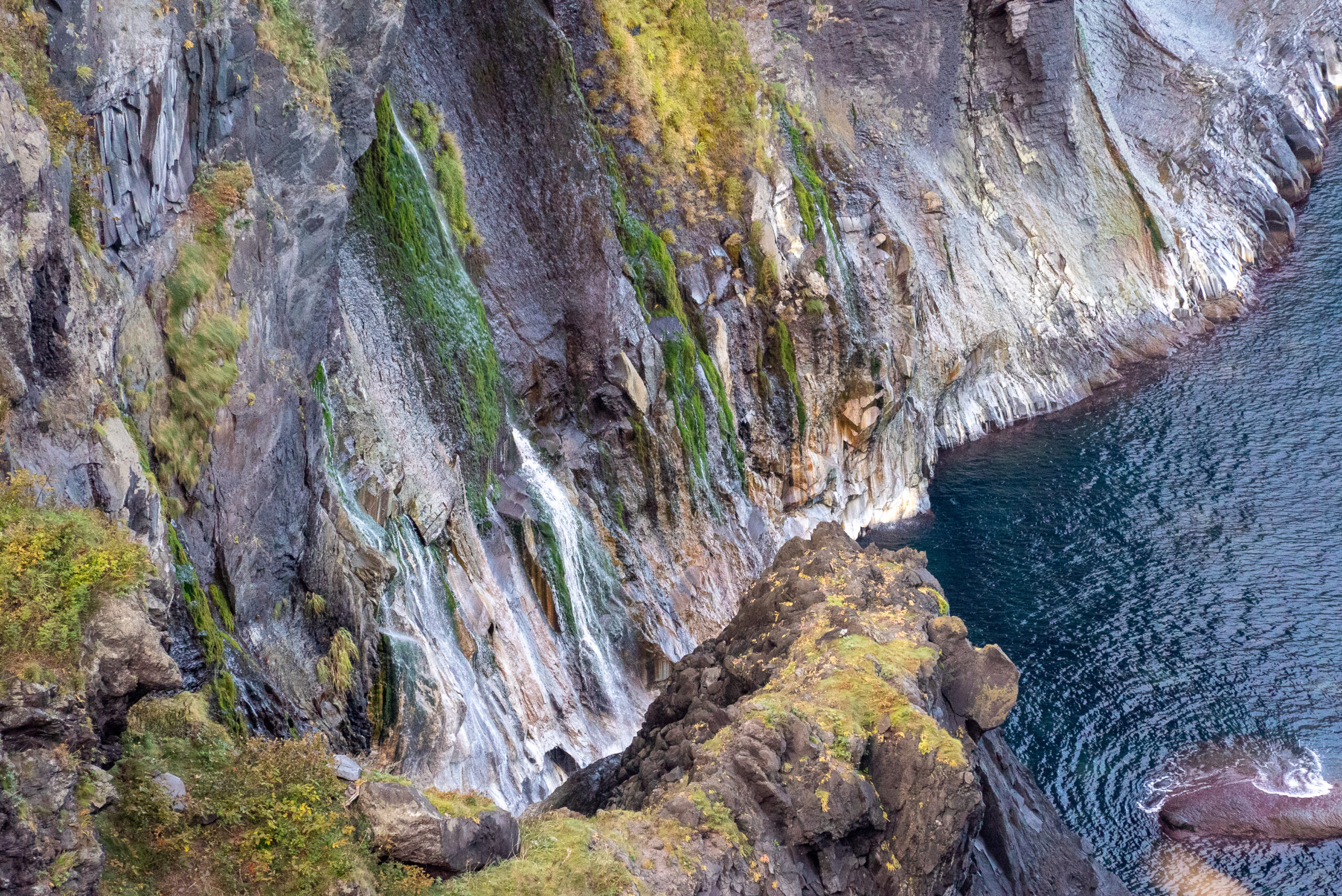
This nook of the coastline also hides a little waterfall, that is actually a spring. So no rain or riverwater is directly feeding it but the water comes us from the ground. This might be normal for some people, but we find it fascinating ^^”

Leave a Reply